

From Tourist to Traveller
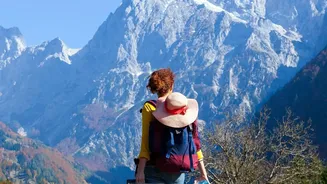
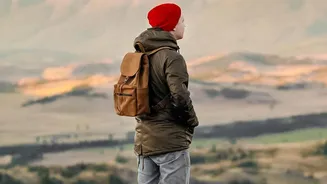
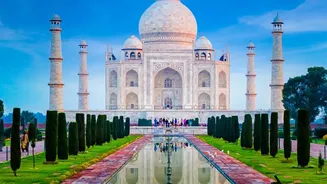
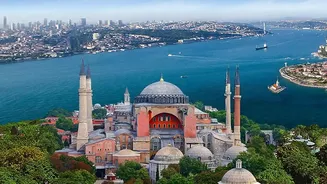
For decades, the mark of a successful holiday was a photo album filled with famous landmarks. But a significant shift is underway. Travellers, particularly in India, are increasingly bypassing the superficial for the substantial. This trend, known as experiential
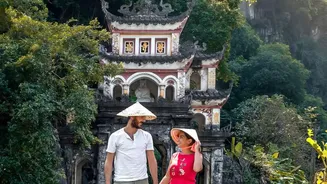
or authentic travel, is about deep immersion. Instead of just observing from a distance, it involves active participation—engaging with a destination's culture, people, and traditions on a personal level. A recent Skyscanner report highlighted that 67 percent of Indian travellers now plan their holidays around cultural experiences like festivals, heritage, and local food, signalling a move from passive sightseeing to active storytelling. The goal is no longer to just visit a place, but to connect with it.
What's Driving the Change?
Several factors are fuelling this move towards authenticity. The post-pandemic world has left many with a hunger for genuine connection and meaningful moments. There's a growing fatigue with the curated perfection of social media, leading people to seek unfiltered, real-world interactions. Furthermore, surveys show that a vast majority of travellers feel a trip is wasted if they don't experience the local culture. Many now want their travel spending to directly benefit local communities, creating a more sustainable and responsible form of tourism. This is not just a niche preference; reports indicate that for many, especially younger generations like Millennials and Gen Z, immersive experiences are now the primary reason for a trip, not just an add-on.
The New Indian Itinerary
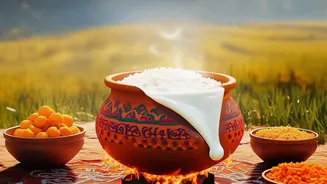
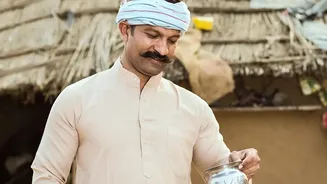
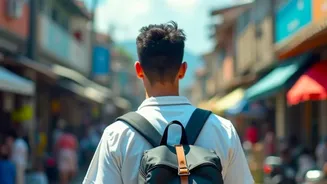
So, what does this look like in practice for Indian travellers? It means swapping a generic hotel for a family-run homestay in a Himalayan village. It's choosing a culinary trail through the spice plantations of Kerala over a quick restaurant meal. It's planning a trip to witness the grandeur of Durga Puja in Kolkata or learning a traditional craft like block-printing from artisans in a village near Jaipur. This trend is also pushing explorers beyond the typical tourist circuit into Tier II and Tier III towns, which are rich in culture but have fewer crowds. The new Indian itinerary is less about geography and more about intention—seeking out stories, learning new skills, and creating memories that are deeply personal.
Souvenirs of the Soul
This shift in travel priorities is also changing what we bring back home. The most valuable souvenirs are no longer mass-produced trinkets but intangible treasures: a new skill learned, a recipe shared by a local host, or the memory of a conversation that offered a new perspective. A significant number of travellers believe that learning a new skill on a trip creates a more memorable experience. These experiences—whether it's participating in a community art project or joining a guided heritage walk led by a resident—become the stories we tell, far outlasting the physical objects we might have bought. The experience itself becomes the ultimate souvenir.