




Understanding Karat: A Measure of Purity
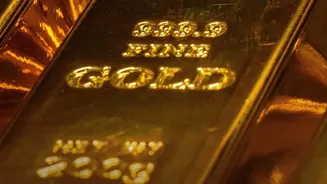
Before diving into the comparison, it’s essential to understand what 'karat' (K) means. Karat is the unit used to measure the purity of gold on a scale of 0 to 24. So, 24K gold is the purest form you can buy, containing 99.9% pure gold. On the other hand,
22K gold consists of 22 parts gold and 2 parts other metals like copper, silver, or zinc, making it approximately 91.67% pure gold. This is why 22K gold is often stamped with the number '916'. The addition of these other metals, or alloys, is not to reduce value but to serve a very specific purpose.
24K Gold: The Investor’s Choice
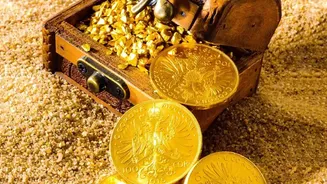
If your primary goal is to buy gold as a pure investment, 24K is the undisputed winner. Because it is 99.9% pure, it holds the highest intrinsic value per gram. Investors prefer 24K gold because it's a direct and straightforward way to own the precious metal without additional costs tied to craftsmanship. This form of gold is typically sold as coins or bars, which have minimal to no making charges compared to jewellery. However, this purity comes with a significant drawback: 24K gold is extremely soft and malleable. It can bend, scratch, and deform easily, making it impractical for any piece of jewellery that is meant to be worn regularly.
22K Gold: The Jeweller’s Favourite
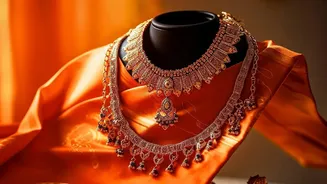
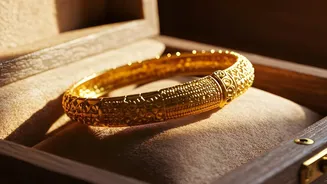
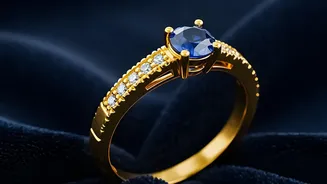
When it comes to crafting jewellery, 22K gold is the preferred standard across India. The 8.33% of alloyed metals mixed with the gold make it significantly harder and more durable. This added strength is crucial for creating intricate designs that can withstand the rigours of daily wear without losing their shape. Whether it’s bangles, necklaces, or earrings, the durability of 22K gold ensures that the craftsmanship remains intact for years. While slightly less pure, 22K gold still has a rich, deep yellow hue that is highly prized in traditional and contemporary jewellery designs.
For Jewellery: Durability Trumps Purity
So, which makes more sense for a necklace or a pair of earrings? For almost all jewellery purposes, 22K is the more practical and logical choice. While the idea of owning the purest gold is appealing, a 24K gold bangle would likely lose its shape with just a minor knock. The softness of 24K gold also means it's more susceptible to wear and tear from friction, potentially leading to a greater loss of gold weight over time if worn daily. Jewellers can achieve far more intricate and delicate patterns with 22K gold because its hardness provides structural integrity. This makes 22K the ideal balance of high purity and everyday practicality for adornment.
For Investment: It's All About the Net Gold
When you buy gold purely to grow your wealth, your focus should be on maximising the amount of gold you get for your money. Gold jewellery, typically made from 22K gold, comes with significant additional costs like making charges. These charges, which can range from 6% to over 25% of the gold's value, cover the labour and design of the piece. Crucially, these making charges are almost never recovered when you sell the jewellery. You are paid only for the net weight and purity of the gold. In contrast, 24K gold bars and coins have very low or sometimes zero making charges, ensuring that more of your money goes directly into the gold itself. This makes 24K gold a much more efficient vehicle for investment, as its resale value is tied directly to the spot price of pure gold.