





As winter arrives, many Indian households pack away the curd, fearing it will cause coughs and colds. But is this age-old belief true, or are we missing out on a powerhouse of protein and calcium when we need it most? Let's unravel the truth.
The Tradition: Why We Avoid Curd in Winter
The belief
that curd should be avoided in winter is deeply rooted in traditional wisdom, particularly Ayurveda. According to this ancient science, curd is considered 'Kapha-kar', meaning it can increase mucus secretion in the body. This property is believed to be problematic during winter, a season when people are already more susceptible to respiratory issues like colds, coughs, and sinus congestion. The logic is that consuming a mucus-forming food during the cold season could aggravate these conditions. Furthermore, curd eaten cold, straight from the refrigerator, is thought to be especially risky. This advice has been passed down through generations, leading many to diligently skip their daily bowl of dahi as soon as the temperature drops.
The Nutritional Reality: A Protein and Calcium Powerhouse
Despite traditional beliefs, modern nutrition tells a different story. Curd is a formidable source of essential nutrients that are vital year-round. A 100-gram serving of plain curd provides a significant amount of high-quality protein, typically around 3 to 4 grams. This protein is crucial for muscle repair and overall bodily function. More importantly, curd is exceptionally rich in calcium. A single 100g serving can offer between 120 mg to 154 mg of calcium, which is about 15% of an adult's daily requirement. Calcium is essential for maintaining strong bones and teeth, a benefit that doesn't diminish with the seasons. During winter, when sun exposure and Vitamin D levels might dip, ensuring adequate calcium intake becomes even more important for bone health.
The Immunity Secret: Probiotics for a Stronger Gut
Perhaps the most compelling reason to eat curd in winter is its probiotic content. Curd is a fermented food packed with live, beneficial bacteria that support a healthy gut. A strong gut microbiome is the cornerstone of a robust immune system, as approximately 70% of your immune cells reside in the gut. By promoting a healthy balance of gut bacteria, the probiotics in curd can enhance your body's ability to fight off infections, which is particularly beneficial during the winter season when colds and flu are rampant. Studies suggest that a healthy gut can help reduce the severity of respiratory illnesses. Therefore, far from causing colds, curd can actually be a tool to help your body defend against them.
Debunking the 'Cold' Myth
The idea that curd is inherently 'cold' is a common misconception. In Ayurveda, curd is actually described as 'Ushna Virya', meaning it has a heating nature or potency. The 'cold' effect people associate with it often comes from its temperature when consumed directly from the refrigerator. The real issue isn't the curd itself, but how it's eaten. Consuming it at room temperature nullifies this cooling shock. In fact, some experts believe that curd's Vitamin C content can be beneficial for those suffering from a cold. The key is to listen to your body; if you are prone to severe respiratory issues, you might want to be cautious, but for most people, there's no scientific reason to banish it completely.
Smart Ways to Enjoy Curd in Winter
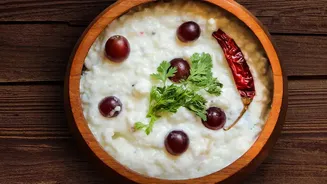
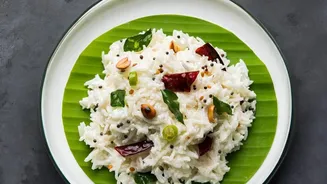
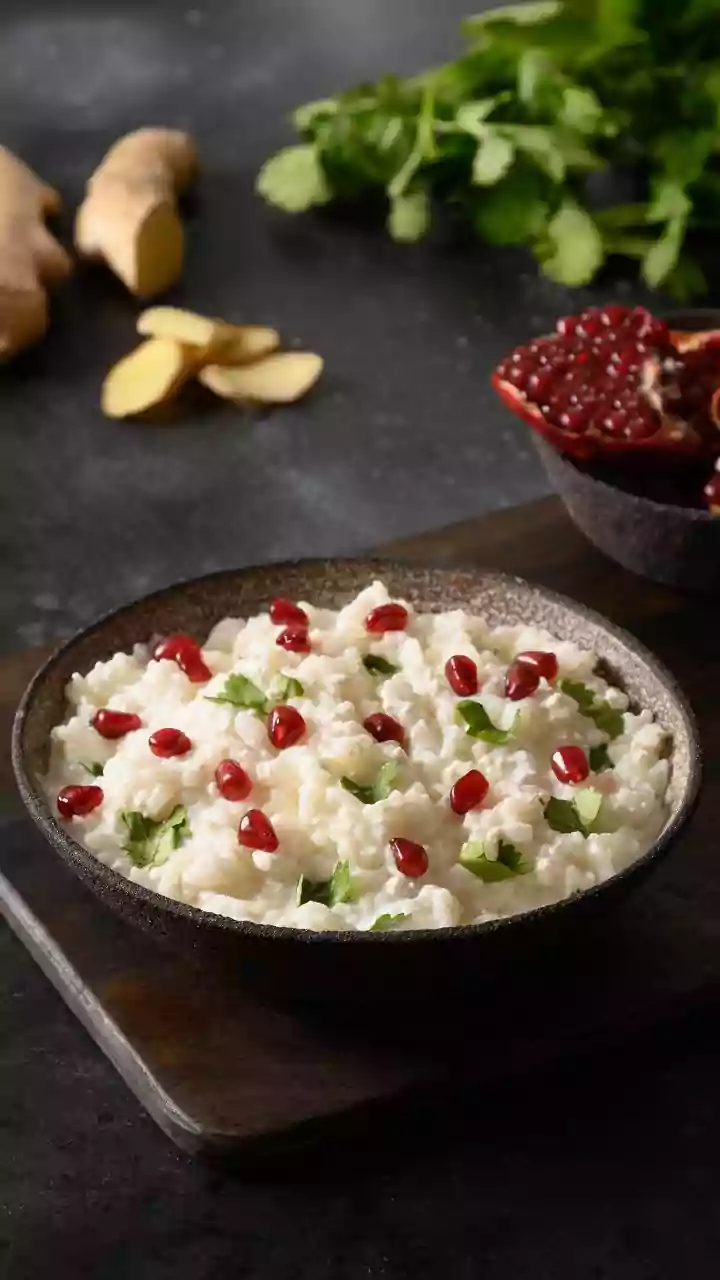
You don't have to give up curd; you just need to consume it intelligently. The most important rule is to avoid eating it cold. Always let it sit out to reach room temperature before consumption. It's best to have curd during the daytime, preferably with lunch when your digestive fire is at its strongest, and avoid it after 5 p.m. or at night. To balance its properties, try mixing in warming spices like roasted cumin powder, black pepper, or a bit of ginger. You can also incorporate it into warm dishes or enjoy it as buttermilk (lassi), which is considered lighter and easier to digest. Pairing curd with warm rice or adding dry fruits like almonds and walnuts can also make it more suitable for the season.