

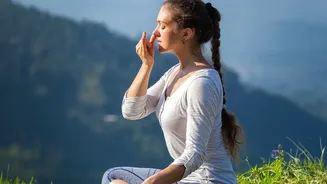


What Is Breath Awareness?
At its core, breath awareness is the simple act of paying attention to your breathing without trying to change it. It is a foundational form of mindfulness meditation. Unlike specific breathing exercises (pranayama) that involve controlling the breath in patterns,
breath awareness is about observation. You notice the sensation of air entering your nostrils, the rise and fall of your chest and belly, and the natural rhythm of your inhales and exhales. The goal is not to achieve a special state, but to anchor your attention in the present moment. When your mind wanders, as it inevitably will, the practice is to gently guide your focus back to the breath without judgment.
A Tool, Not A Clinical Treatment
This is the most critical point to understand. While breath awareness can be a powerful tool for managing feelings of stress in the moment, it is not a substitute for professional medical or psychological treatment for anxiety disorders. Anxiety is a complex condition, and for some, focusing intently on breathing can occasionally heighten anxious feelings. Think of breath awareness as a form of mental hygiene, similar to how you might stretch to relieve muscle tension. It helps build resilience and provides a practical anchor during stressful moments. However, if you are struggling with an anxiety disorder, the first and most important step is to seek guidance from a qualified doctor or therapist who can provide a comprehensive treatment plan.
How It Calms Your Nervous System
The connection between your breath and your nervous system is profound. When you feel stressed or anxious, your body's 'fight-or-flight' response (the sympathetic nervous system) often kicks in, leading to shallow, rapid breathing and an increased heart rate. By intentionally bringing gentle awareness to your breath, you can activate the 'rest-and-digest' response (the parasympathetic nervous system). This is largely done through the stimulation of the vagus nerve, a major nerve that runs from the brain to the abdomen. A slower, more mindful breath pattern sends signals to the brain that the threat has passed, helping to lower stress hormones like cortisol, reduce blood pressure, and create a physiological state of calm.
Your First Five-Minute Practice
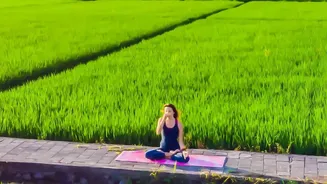
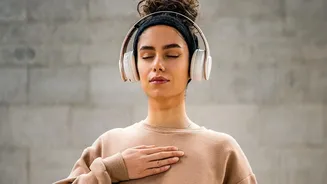
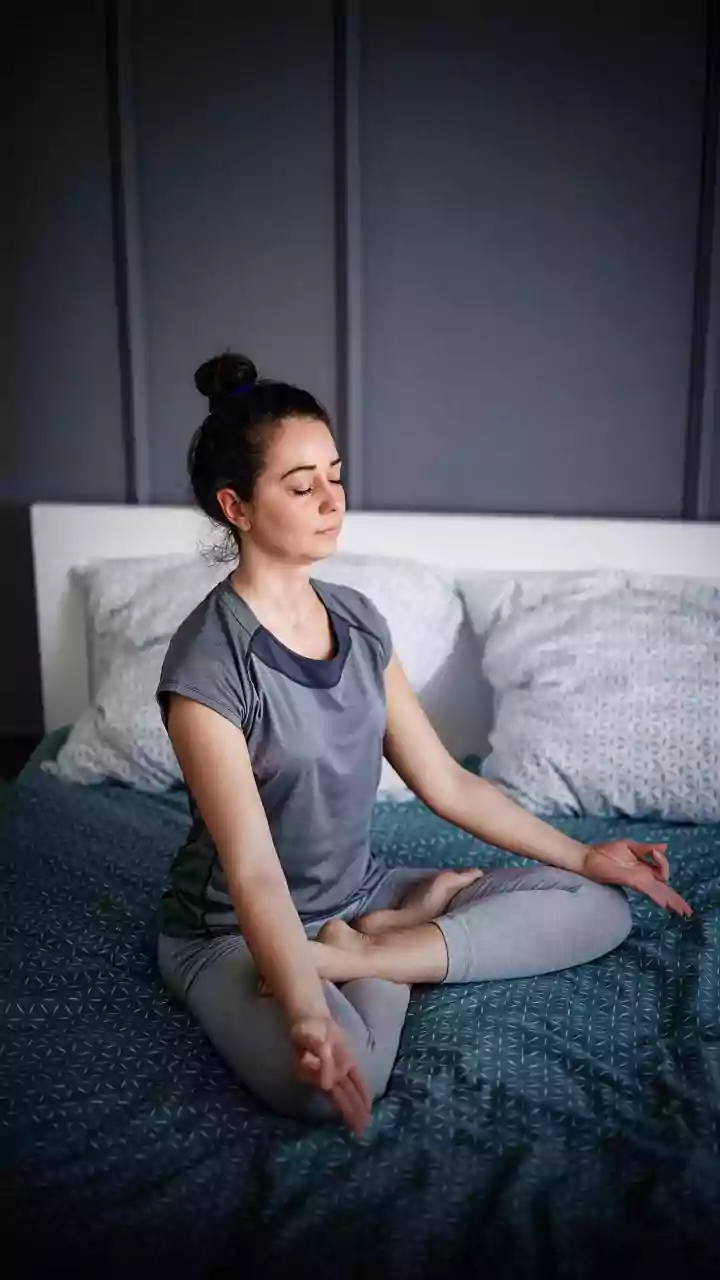
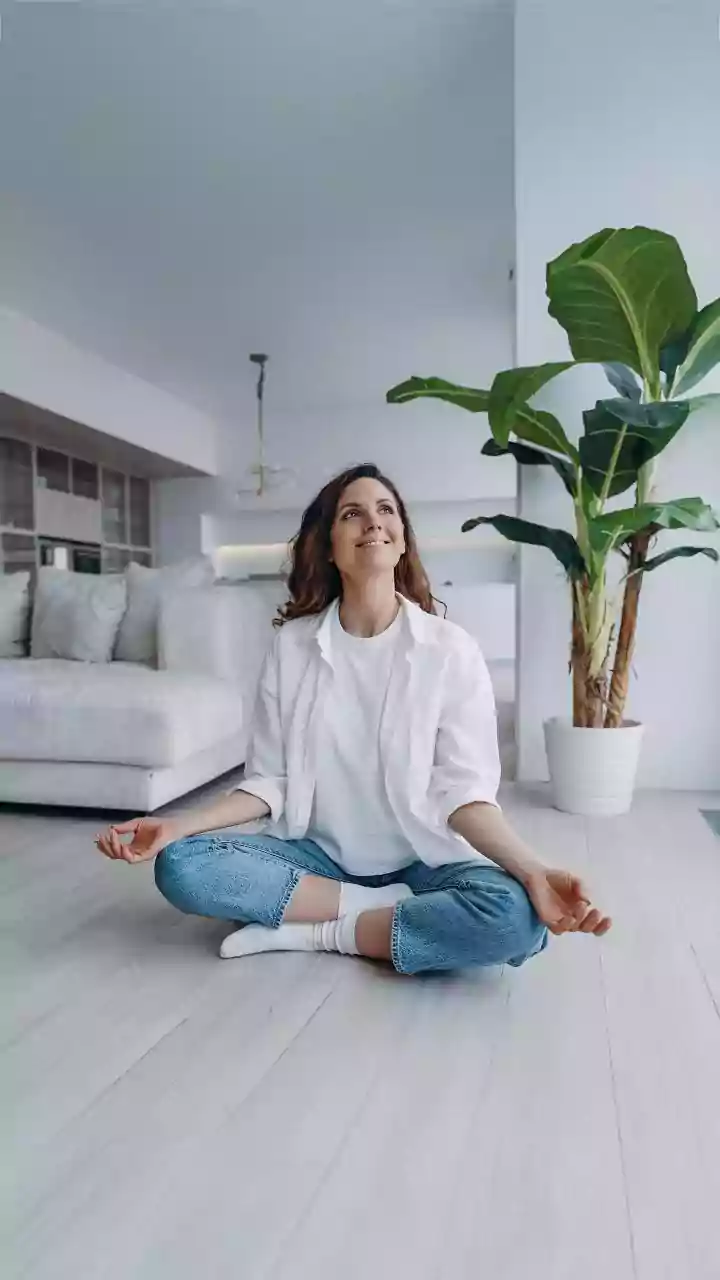
Starting is simpler than you think. You don’t need special equipment or a silent retreat. Find a comfortable position, either sitting upright in a chair with your feet flat on the floor or lying down. You can close your eyes if it feels comfortable. Let your hands rest in your lap or on your belly to feel its gentle movement. Begin by simply noticing your breath. Don't force it to be deeper or slower. Just observe its natural pace. Feel the air moving in and out. Notice the small pauses between breaths. Your mind will wander to thoughts, to-do lists, or sounds around you. That is completely normal. Each time it does, gently acknowledge the thought and guide your attention back to the sensation of breathing. Start with just three to five minutes a day.
Making It a Part of Your Day
The beauty of breath awareness is its portability. You don’t have to set aside a formal time for meditation to reap the benefits. You can practice it for a minute or two while waiting for your chai to brew, sitting in traffic, or before logging into a stressful work meeting. Take a moment to check in with your breath. Is it shallow and high in your chest? Can you allow it to deepen into your belly? These micro-practices, scattered throughout your day, can help regulate your nervous system and prevent stress from accumulating. By integrating these moments of awareness into your daily routine, you build a stronger foundation of calm and presence that you can access anytime, anywhere.