


1. It’s an Unmatched Visual Spectacle
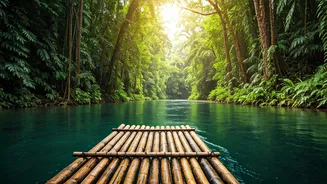
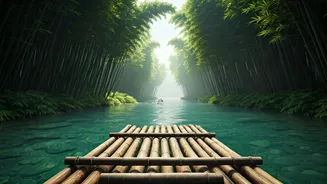
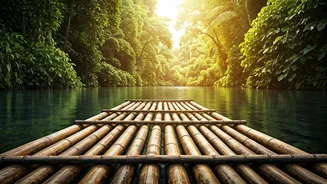
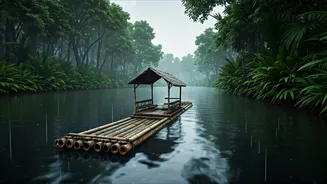
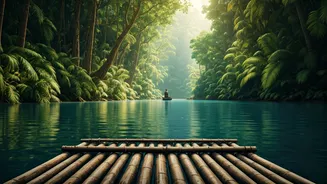
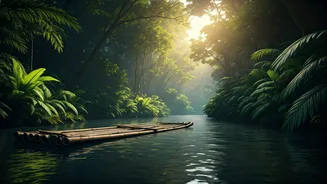
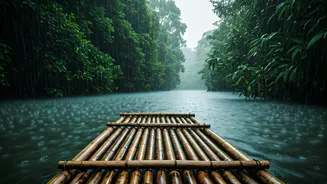
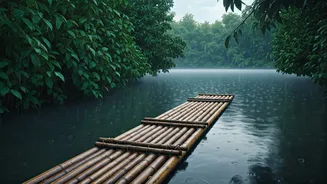
Forget watching the rain from a window. Bamboo rafting places you right in the heart of nature’s grandest show. Imagine gliding silently through a river, flanked by forests dripping with fresh rain. The greens are greener, the air is heavy with the scent
of wet earth, and a low-hanging mist often shrouds the landscape, creating a mystical, almost dreamlike atmosphere. Popular spots in Kerala, like Thekkady and Wayanad, transform into lush paradises during the monsoon. The experience isn't about speed; it's about soaking in the panoramic views that are at their most vibrant and dramatic during this specific time of year. It’s a photographer’s and nature-lover’s dream come true.
2. The Perfect Pace for a Mental Reset
In a world obsessed with adrenaline-pumping activities, bamboo rafting offers the opposite: a gentle, meditative journey. The rhythmic sound of the pole pushing through the water, the quiet ripple of the current, and the chorus of birds and insects create a natural soundtrack for relaxation. Unlike whitewater rafting, which is about conquering rapids, bamboo rafting is about surrendering to the slow, steady flow of the river. This makes it an incredibly effective way to disconnect from digital-age stress and reconnect with yourself. It’s a low-impact activity that allows for conversation, quiet contemplation, or simply being present in the moment—a rare luxury in our busy lives.
3. It Ticks the Eco-Conscious Box
Modern travellers are increasingly looking for sustainable ways to explore the world, and bamboo rafting fits the bill perfectly. The rafts themselves are crafted from natural, renewable resources. Many of these experiences are run by local communities or forest departments, ensuring that tourism revenue directly supports the local economy and conservation efforts. For instance, the renowned bamboo rafting in the Periyar Tiger Reserve is managed by a committee of former poachers-turned-conservationists. By choosing this activity, travellers feel they are making a responsible choice—one that has a minimal carbon footprint and a positive social impact. It’s a form of tourism that celebrates and preserves nature rather than exploiting it.
4. It's Made for Your Social Media Feed
Let’s be honest: in 2024, if you didn’t post it, did it even happen? The aesthetic appeal of bamboo rafting is a huge driver of its popularity. The visual contrast of a simple, rustic raft against a backdrop of stunningly lush scenery is incredibly photogenic. A candid shot of you sitting on the edge of a raft, surrounded by mist and jungle, is guaranteed to elevate your Instagram grid. This 'grammability' has created a powerful word-of-mouth (or word-of-feed) effect. As more people share these breathtaking images and reels, it inspires their followers to seek out the same experience, creating a viral loop that has turned bamboo rafting from a niche activity into a mainstream travel goal.
5. An Accessible Adventure for Everyone
You don't need to be a seasoned adventurer to enjoy bamboo rafting. The gentle pace and stable nature of the rafts make it a safe and enjoyable activity for a wide range of people, including families with older children and those who aren't strong swimmers (life jackets are mandatory and provided). It requires no special skills or physical fitness, making it an inclusive adventure. This low barrier to entry means couples, families, and solo travellers can all partake. During the monsoon, operators are especially cautious, often sticking to calmer stretches of rivers and lakes, ensuring safety remains paramount while still delivering a memorable experience.
6. Prime Rafting Destinations
So, where can you go? Kerala is the undisputed champion of bamboo rafting. The Periyar Tiger Reserve in Thekkady offers an iconic full-day programme that combines rafting with a trek. Wayanad, with its serene backwaters and the Kuruva Dweep islands, provides another stunning setting. Outside of Kerala, you can find similar experiences in Coorg, Karnataka, along the calm stretches of the Kaveri river, and even in parts of the Northeast. It’s always best to book in advance, especially during the peak monsoon season, and confirm with operators that conditions are safe for rafting on your chosen day.