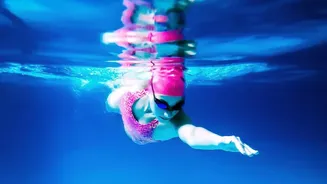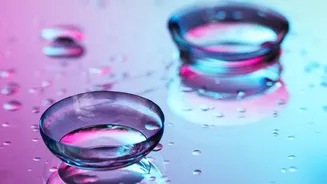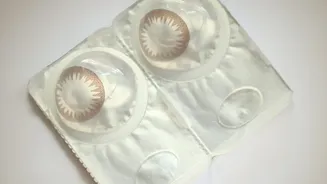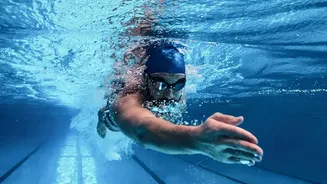




A quick swim or shower without taking out your contact lenses might seem harmless, but this common habit carries significant and often underestimated risks to your eye health. Water and contacts are a dangerous combination that can lead to serious issues.
The Basic Problem: Why Water and Lenses Don't Mix
Soft contact lenses are designed to be comfortable and breathable, but their porous nature is precisely what makes them hazardous when exposed to water. Think of a lens as a tiny sponge. When you swim or shower, it can absorb water along with any microorganisms present. This can cause the lens to swell, change shape, and stick to the surface of your eye, which is not only uncomfortable but can also cause microscopic scratches on your cornea. These tiny abrasions create an entry point for harmful bacteria and other germs to invade the eye and cause an infection. Health authorities like the CDC and FDA are clear in their guidance: contact lenses should be kept away from all types of water.
Acanthamoeba: The Invisible Threat in the Water
One of the most severe risks associated with water exposure is an infection called Acanthamoeba keratitis. This is caused by a microscopic, free-living amoeba that is commonly found in all water sources—including tap water, swimming pools, oceans, lakes, and hot tubs. While the infection is rare in the general population, the vast majority of cases occur in contact lens wearers. The amoeba can become trapped behind the lens and burrow into the cornea, leading to an extremely painful infection that is difficult to treat. Treatment can sometimes take a year or more, and in severe cases, Acanthamoeba keratitis can lead to permanent vision loss or the need for a corneal transplant.
Risk Is Everywhere, Not Just the Pool
Many people associate water safety with swimming pools or the beach, but the danger to contact lens wearers extends to everyday situations. Even treated tap water is not sterile and contains microorganisms that are safe to drink but not for your eyes. This means showering, bathing, or even washing your face with your lenses in is a risk. Hot tubs are another significant danger zone, as the warm water can be a breeding ground for bacteria. It’s a simple rule to remember: if your lenses might get wet, it's best to take them out. Don’t ever use tap water to rinse or store your lenses or their case; always use fresh, sterile contact lens solution as directed by your eye doctor.
Warning Signs of an Eye Infection
If you have accidentally exposed your lenses to water, it is crucial to be aware of the symptoms of a potential eye infection. You should remove your lenses immediately and see an eye doctor if you experience any of the following: persistent redness, eye pain (which can sometimes be severe), a feeling that something is in your eye, unusual sensitivity to light, blurry vision, or excessive tearing or discharge. Do not simply wait for the symptoms to go away on their own, as infections like Acanthamoeba keratitis can worsen rapidly without proper medical treatment. If you're wearing daily disposables, throw them away immediately after water exposure. For reusable lenses, you should remove them, then thoroughly clean and disinfect them overnight before wearing them again, but discarding them is the safest option.
Safer Ways to See Clearly in the Water
Avoiding contact lenses in water doesn't mean you have to sacrifice clear vision. The safest and most recommended option for swimmers is a pair of prescription swimming goggles. These provide a watertight seal to keep your eyes protected while correcting your vision. If you must wear contacts for a water_based activity, some experts suggest wearing a fresh pair of daily disposable lenses and discarding them immediately after you get out of the water. While this can reduce the duration of exposure, it does not eliminate the risk. Ultimately, the best course of action is to plan ahead. For a casual day at the beach or pool, it may be safest to simply go without your lenses and accept some blurriness rather than risk a sight_threatening infection.