





The Rise of Digital Authorisations
The age of simply booking a flight and showing up with your passport is fading for many popular destinations. Governments across the globe are implementing a new layer of pre-travel screening called Electronic Travel Authorisations (ETAs). These are not
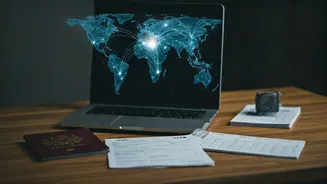
full-blown visas but mandatory online approvals you must obtain before you even head to the airport. Countries are introducing these systems to enhance security, better manage tourist flows, and digitise their borders. This trend, started by countries like Australia and the USA, is now going global, with the UK and the entire Schengen Area in Europe following suit. For travellers, this means that even for visa-free destinations, an extra digital step is now essential.
Europe's New ETIAS System
One of the most significant changes is the upcoming European Travel Information and Authorisation System (ETIAS). Expected to become operational in late 2026, ETIAS will be a requirement for travellers from roughly 60 currently visa-exempt countries, including the USA, UK, Canada, and Australia. It's crucial to note that for Indian passport holders, who already require a Schengen visa, ETIAS does not change the current process. However, if you are an Indian citizen with dual nationality from a visa-exempt country, you will need to apply for ETIAS when travelling on that passport. The application will be online, cost around €20, and the authorisation will be valid for three years, covering stays of up to 90 days within a 180-day period.
The UK's Electronic Travel Authorisation (ETA)
The United Kingdom has already rolled out its own version, the Electronic Travel Authorisation (ETA). As of early 2026, it is mandatory for visitors from many countries who do not need a visa for short stays, such as those from the US and European nations. Similar to Europe's new rules, Indian nationals still need to apply for a standard UK visa and are not eligible for the ETA scheme. The UK's system involves a simple online application, costs £16, and is valid for two years, allowing for multiple visits. The key takeaway is that airlines are now required to check for this digital permission before boarding, meaning no ETA can result in being denied travel.
Why Is This Happening Now?
This global shift towards digital paperwork is driven by several factors. Primarily, it's about security. ETAs allow authorities to screen visitors against security databases before they arrive, helping to identify potential risks without inconveniencing the majority of legitimate tourists. Secondly, it's about data and control. By tracking entries and exits digitally, countries can better manage over-tourism and enforce immigration rules, like the 90-day stay limit in the Schengen Area. Finally, it is part of a broader move towards fully digital borders, which aims to make the process more efficient in the long run by replacing manual passport stamps with automated systems.
Your New Pre-Travel Checklist
Navigating this new era of travel requires a more organised approach. First, always check the specific entry requirements for your destination country well in advance, even if you've travelled there before. Use official government websites for the most accurate information. Second, check your passport's validity. Many regions, including the Schengen Area, require your passport to be valid for at least three months beyond your planned departure date. Third, apply for any required digital authorisation as soon as your travel plans are firm, but be wary of scam websites; only use official portals. Finally, factor these new applications into your travel budget and timeline. While most ETAs are approved within minutes or hours, some can take several days if additional checks are needed.