






Beyond the 'Top 10 Curries'
Pick up any travel magazine or scroll through a tourism website, and you will likely find them: the ubiquitous “Top 10 Dishes to Try in India” or “Best Street Foods in Delhi.” While well-intentioned, these lists often do a disservice to the complexity
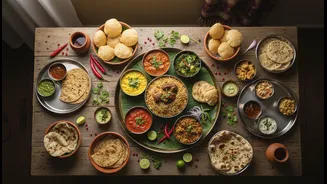
of Indian food. They present our cuisine as a collection of disjointed highlights—butter chicken, dosa, biryani—stripped of their context, history, and regional soul. This approach is the culinary equivalent of visiting a museum and only looking at the labels without seeing the art. It’s information, but it isn’t knowledge. It tells travellers what to eat, but rarely delves into the why—the stories of migration, agriculture, community, and trade that shaped each dish. This format is a missed opportunity for a country where food changes every few hundred kilometres and is deeply woven into daily life.
What is a Food Trail, Really?
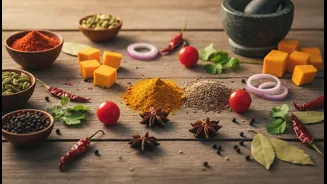
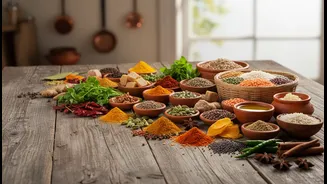
A food trail is not just a longer list. It is a curated journey with a narrative. It's an experience designed to connect the dots between a place, its people, and its plate. Imagine a spice trail through Kerala, where you start at a spice plantation in the hills, learn about cardamom and pepper cultivation, see them being processed at a local market in Kochi, and end with a cooking class where those same spices are used to prepare a traditional seafood curry. Or consider a Mughlai trail from Delhi to Lucknow, tracing the evolution of kebabs from royal kitchens to bustling street stalls, linking the food to the architectural and cultural history of the Mughal Empire. These trails transform eating from a passive activity into an active exploration. They are immersive, educational, and far more memorable than ticking dishes off a checklist. They provide context that makes every bite more meaningful.
The Power of Culinary Storytelling
The benefits of prioritising food trails extend beyond just a better travel experience. They have the power to transform local economies. Generic lists tend to concentrate tourists in a few famous, often-overcrowded spots. Food trails, on the other hand, can disperse visitors to smaller towns and rural areas, supporting farmers, artisans, and family-run eateries that are the true keepers of culinary traditions. When travellers participate in a cooking class at a homestay or buy directly from a local producer, their spending has a more direct and sustainable impact. Furthermore, this approach helps preserve our culinary heritage. By creating economic incentives for traditional practices—whether it's making a rare pickle, sun-drying vegetables, or using heirloom grains—we ensure these skills and flavours are not lost to time.
Pioneers Are Already Showing the Way
This shift is not just a theoretical idea; it's already happening. Across India, innovative tour operators and even state governments are recognising the potential of food tourism. From guided street food walks in the narrow lanes of Old Delhi and Varanasi to organised culinary tours through Rajasthan and South India, there are already excellent models to follow. States like Andhra Pradesh and Uttar Pradesh have announced initiatives to develop culinary tourism by promoting regional dishes and food festivals. Recent reports show a significant rise in travellers, especially those aged between 28 and 40, who plan their trips specifically around food experiences. With the Indian culinary tourism market projected to grow significantly, the demand for authentic, in-depth experiences is undeniable.