





What Are These Invisible Farmhands?
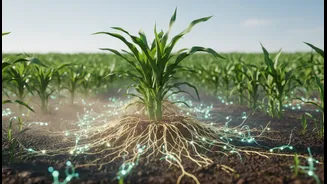
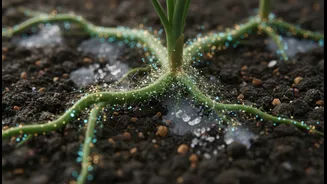
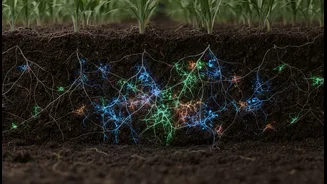
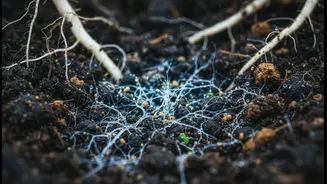
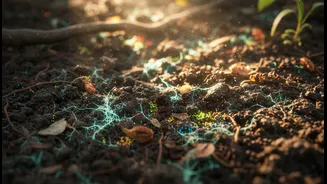
In a single spoonful of healthy soil, there are billions of microorganisms like bacteria and fungi. These microbes form a complex, living ecosystem called the soil microbiome. For centuries, we have focused on what we can see above the ground, but scientists
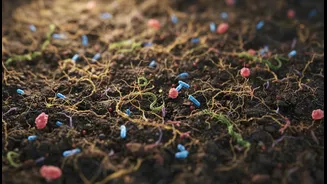
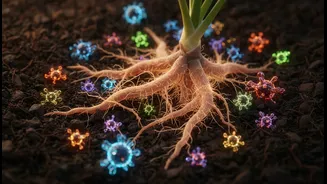
are now realising that this hidden world is essential for plant health. They are not just passive residents; they are active partners with plants, forming symbiotic relationships that have existed for millions of years. These products, often called bio-inoculants or biofertilizers, are essentially concentrated doses of beneficial microbes designed to give crops a helping hand.
How Microbes Build Stronger Plants
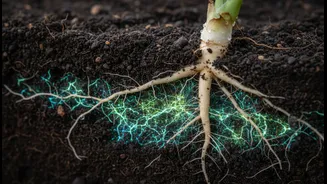
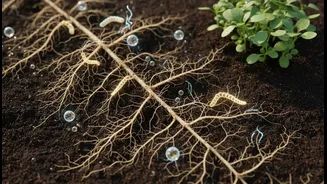
Beneficial microbes work in several ways to make crops more resilient. Some bacteria, like Rhizobium, are famous for 'fixing' nitrogen from the atmosphere and converting it into a form that plants can use, reducing the need for synthetic nitrogen fertilisers. Others are experts at unlocking phosphorus, a vital nutrient often locked up in the soil, making it available to plant roots. These microscopic allies also improve soil structure, creating channels that help retain water and air, which is crucial for withstanding periods of drought. Furthermore, a healthy microbiome can act as a plant's personal bodyguard, outcompeting harmful pathogens for resources and even producing compounds that fight off diseases.
A Boost for Indian Agriculture
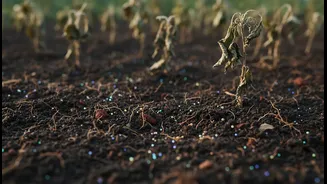
For India, where agriculture is the backbone of the economy, the potential is enormous. With increasing pressure from erratic monsoons, rising temperatures, and degrading soils, microbial science offers a path towards more sustainable farming. By enhancing nutrient uptake, these solutions can improve crop yields on existing farmland. Research by the Indian Council of Agricultural Research (ICAR) has already led to the development of several microbe-based technologies for crops like rice and wheat. These innovations can help reduce the heavy reliance on chemical fertilisers, which are costly for farmers and can have long-term negative environmental impacts, such as soil acidification and water pollution. Some studies have reported yield increases of up to 30% in crops like rice by using these methods.
The Challenges Ahead
Despite the promise, the path to widespread adoption is not without obstacles. Unlike chemical fertilisers, which offer predictable results, biofertilizers are living products. Their effectiveness can vary based on soil type, climate, and farming practices. Proper storage and handling are critical to keep the microbes alive and effective, which poses a logistical challenge. There is also a significant knowledge gap. Farmers need training and support to understand which microbial products are right for their specific crops and conditions and how to use them correctly. Ensuring consistent quality and preventing contamination in commercial products is another major hurdle that the industry must overcome to build trust among farmers.