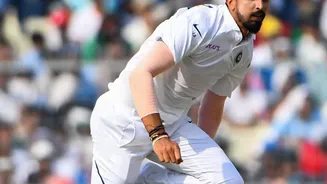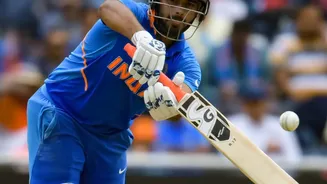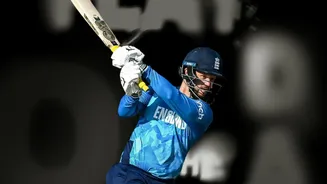




Sourav Ganguly, India
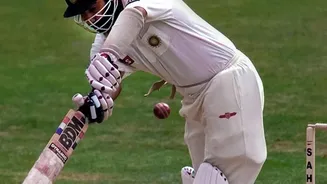
Perhaps no captain's removal caused as much public fury as Sourav Ganguly's. After a very public fallout with coach Greg Chappell in 2005, the man credited with building a new, aggressive Indian team was first stripped of his captaincy and then dropped
from the squad altogether. The decision led to fiery street protests, particularly in his home city of Kolkata, where effigies of Chappell and chief selector Kiran More were burned. The outrage was so significant that it was even discussed in the Indian Parliament, forcing board officials to publicly address the shock and anger of the fans.
Sachin Tendulkar, India
Even the 'God of Cricket' was not immune to the pressures of captaincy and fan expectation. Tendulkar had two difficult stints as captain in the late 1990s, where the team's poor performance led to widespread disappointment. He later revealed that the defeats took a heavy toll on him personally, affecting his life off the field. While he wasn't ousted by a singular protest, the sustained public and media criticism following series losses made the position untenable for him. He ultimately resigned, stating the role was impacting him too deeply as a person.
MS Dhoni, India
MS Dhoni’s sudden retirement from Test cricket in the middle of a 2014 series against Australia was a shock. While he remains one of India’s most successful captains, his leadership in the longest format had been under intense scrutiny for years due to a string of overseas series losses. Fans and critics had grown increasingly vocal about his seemingly defensive tactics away from home. The immense and sustained pressure was cited as a major factor in his decision to step away, with the BCCI's statement mentioning the "strain of playing all formats".
Inzamam-ul-Haq, Pakistan
Pakistan’s disastrous exit from the 2007 World Cup, sealed by a humiliating loss to associate nation Ireland, triggered a furious reaction back home. Fans held demonstrations, burned effigies, and demanded accountability. In the immediate aftermath of the campaign and the tragic death of coach Bob Woolmer, captain Inzamam-ul-Haq announced his resignation from the captaincy and his retirement from one-day internationals, bowing to the immense public pressure.
Waqar Younis, Pakistan
Four years before Inzamam's exit, Waqar Younis faced a similar fate. As captain during the 2003 World Cup, he presided over a dismal campaign where Pakistan failed to advance to the Super Sixes stage. The team’s poor showing, especially a high-stakes loss to India, led to a massive public outcry across Pakistan. Following the tournament, the Pakistan Cricket Board initiated a complete overhaul, sacking Waqar as captain in a move seen as a direct response to the widespread fan anger.
Kim Hughes, Australia
One of the most emotional exits in cricket history came in 1984 when Australian captain Kim Hughes resigned in a tearful press conference. Hughes' tenure was marked by a series of heavy defeats to the dominant West Indies and a feeling of isolation within his own team. The constant criticism from the media and former players, reflecting public sentiment, took a severe toll. He admitted that the pressure had become unbearable, stating he had no more "petrol in the tank" to continue fighting.
Arjuna Ranatunga, Sri Lanka
The man who led Sri Lanka to a historic World Cup victory in 1996 was unceremoniously sacked just three years later. After a poor title defence at the 1999 World Cup in England, the national hero faced criticism from disappointed fans and the board. Ranatunga, the country's longest-serving captain, was removed from the leadership role following the team's dismal performance, a decision that mirrored the shift in public mood from adoration to disappointment.
Sunil Gavaskar, India
In a bizarre turn of events, Sunil Gavaskar was removed as captain in 1978 despite having just led India to a series victory over the West Indies. His removal followed his consideration of an offer from Kerry Packer's World Series Cricket. Another controversial incident occurred in 1984 when Kapil Dev was dropped for a Test in Kolkata. The Eden Gardens crowd, believing captain Gavaskar was responsible, reacted with fury, pelting the field and protesting so strongly that Gavaskar vowed never to play there again. The incident highlighted how quickly fans could turn on a leader.
Brian Lara, West Indies
A genius with the bat, Brian Lara had three tumultuous stints as West Indies captain, often marked by team infighting and poor results. His leadership was constantly questioned by fans and media who were frustrated by the team's decline. His final tenure ended after a disappointing 2007 World Cup on home soil. The failure to perform in front of their own supporters led to widespread anger and disillusionment, and Lara stepped down from the captaincy, marking the end of an era.
Alastair Cook, England
After a record 59 Tests as England's captain, Alastair Cook stepped down in 2017. His resignation followed a grueling 4-0 series loss in India, which capped a period of intense pressure and criticism from English media and the Barmy Army. Cook, known for his resilience, admitted that the energy for the job was no longer there. While there were no effigies burned, his departure was a clear case of a captain worn down by the immense weight of public expectation and criticism that follows a string of poor results.