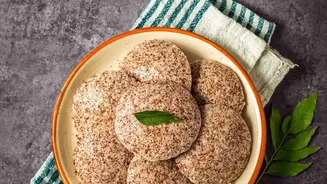









The Unique Nature of Millet Batter
Unlike rice, foxtail millet has a different structural profile; it's higher in fibre and protein but behaves differently when it comes to starch. Rice batter is known for its reliable fermentation and fluffy results, but millet batter is denser and absorbs
water differently. This means that simply substituting millet for rice without adjusting your technique can lead to disappointment. The key difference is that millet batter doesn't rise as dramatically as rice batter, even with proper fermentation. Its heavier nature means the air pockets created during fermentation are smaller and more delicate. This is where the steaming process becomes not just a cooking method, but the crucial step that determines the final texture.
The Science of a Perfect Steam
Steaming does more than just heat the batter. It is a form of moist-heat cooking that performs two critical actions simultaneously. First, the steam gelatinises the starches in the millet and urad dal, transforming the liquid batter into a solid structure. Second, it coagulates the proteins, helping to set the idli's shape. The magic happens when the heat causes the tiny air bubbles trapped during fermentation to expand. In a well-steamed idli, these expanding bubbles create a light, porous, and spongy network. Without the right steaming environment, these bubbles can collapse, resulting in a flat and dense idli.
Temperature and Timing Are Key
The success of your foxtail millet idlis hinges on two factors: achieving the right temperature and steaming for the correct duration. The water in your steamer must be at a rolling boil before you place the idli stand inside. This initial blast of high-temperature steam is vital for a good rise. However, maintaining an excessively high flame throughout can be counterproductive, potentially drying out the idlis. A steady, medium-high heat is ideal for even cooking. The typical steaming time is between 10 to 15 minutes. Under-steaming will leave you with sticky, uncooked centres, while over-steaming can make the idlis hard and dry. A simple test is to insert a toothpick or knife; if it comes out clean, they are ready.
Common Steaming Mistakes to Avoid
Several common errors can ruin the texture of your millet idlis. One of the most frequent is opening the lid too early to check on them. This causes a sudden drop in temperature, disrupting the steaming process and often causing the idlis to collapse and become dense. It's also important not to overfill the moulds; filling them about three-quarters full allows space for the batter to expand and rise into a perfect dome shape. Another mistake is not ensuring the batter has the right consistency before steaming. A batter that is too thick will result in heavy idlis, while one that is too watery won't hold its shape. It should have a gentle, flowing consistency.
The All-Important Resting Period
What you do after the idlis are cooked is just as important as the steaming itself. Resist the urge to unmould them immediately. Once you turn off the heat, let the idli stand remain in the steamer with the lid on for another two to three minutes. Then, take the stand out and let it rest on the counter for another few minutes. This crucial resting period allows the idlis to firm up slightly as they cool, making them less fragile and easier to remove from the moulds without breaking. Attempting to scoop them out while they are piping hot often leads to torn or misshapen idlis. A moment of patience is the final ingredient for a perfect result.