




From Packets to Full-Fledged Platters
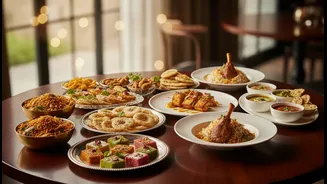
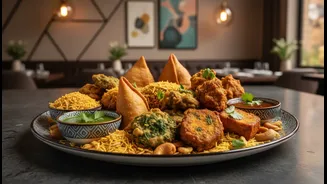
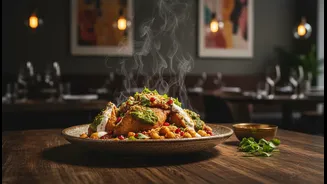
The familiar sight of a Haldiram's bhujia packet on a supermarket shelf is now being complemented by the aroma of freshly made chole bhature served in a Haldiram's branded restaurant. This shift from consumer packaged goods (CPG) to food service represents
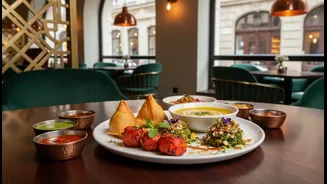
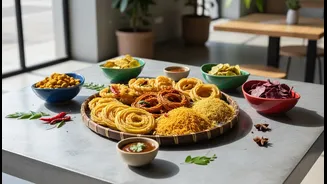
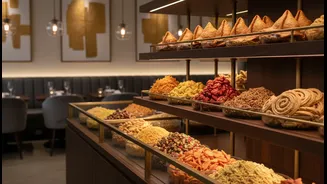
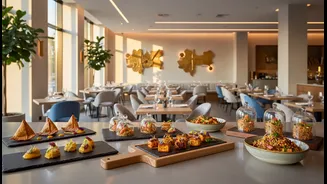
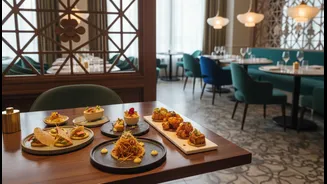
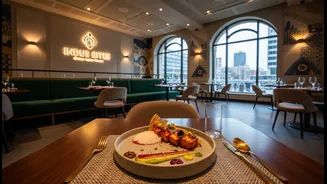
a bold new chapter for India's most iconic snack brands. Instead of simply exporting products, these companies are exporting an entire dining experience. Recent openings, such as Haldiram's new locations in Dubai, showcase a hybrid model that is proving highly effective. These outlets are more than just restaurants; they are multifaceted spaces that often combine a quick-service counter for street food classics, a casual dining area for families, and a retail section where customers can still purchase the packaged sweets and snacks that built the brand's legacy. This approach creates a powerful synergy, allowing the brand to capture different consumer needs under one roof.
Tapping into a Global Appetite
Two major forces are fueling this strategic pivot. The first is the immense and loyal customer base within the Indian diaspora. For millions living abroad, these brands are not just food; they are a nostalgic connection to home. A Bikanervala or Haldiram's restaurant offers an authentic taste that can be hard to find, instantly becoming a community hub. The second driver is the rapidly growing global curiosity for authentic Indian cuisine. International palates have evolved beyond a generic 'curry'. Food lovers in cities like London, Toronto, and Dubai are increasingly seeking diverse and regional Indian flavours, from pani puri to pav bhaji. Snack brands-turned-restaurateurs are perfectly positioned to meet this demand, serving as cultural ambassadors and introducing a wider audience to the true breadth of Indian vegetarian food.
A Masterclass in Brand Building
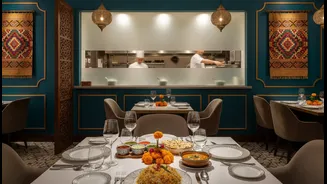
Opening restaurants is a sophisticated brand-building exercise. It transforms the company from a product manufacturer into a full-service hospitality brand. This move allows them to control the entire customer journey, from the quality of the ingredients to the ambiance of the dining room. By creating a physical, immersive experience, brands deepen customer loyalty in a way that a product on a shelf cannot. This strategy also allows them to command higher price points and achieve better margins than in the highly competitive and price-sensitive Indian market. The restaurant becomes a live marketing tool, reinforcing the brand's commitment to authenticity, hygiene, and taste. It builds trust and elevates the perception of the entire product line, ultimately driving sales in both their retail and food service divisions.
The New Global Footprint
The scale of this global ambition is impressive. Haldiram's, having established a manufacturing presence in the UK and received investment from international firms, is making significant inroads in the Middle East and Europe. Its recent launches in Dubai and a flagship 120-seat restaurant in London's Leicester Square signal a clear intent to compete in major international markets. Similarly, Bikanervala operates over a hundred outlets across India and has a growing presence in the USA, Canada, New Zealand, Singapore, and the UAE, often using a joint venture or franchise model to accelerate growth. The company plans to continue its expansion into the UK and other markets, partnering with local experts to navigate regulations and tailor its offerings.