





The Great Dietary Shift
For decades, the Indian meal was defined by its reliance on staple grains like rice and wheat. Today, that picture is evolving. As the economy has grown, so has the average household's spending power, leading to a significant diversification of the food
basket. Consumption of milk, eggs, fish, and meat has seen a substantial increase. This shift is most pronounced in urban areas, where exposure to global cuisines and busier schedules create demand for a wider array of foods. The trend reflects a move away from subsistence-based eating towards diets shaped more by preference and choice, a classic sign of economic development. However, the change isn't uniform, with traditional, cereal-heavy diets still prevalent, particularly in rural areas where affordability remains a key factor.
More Variety, But Not Always More Nutrition
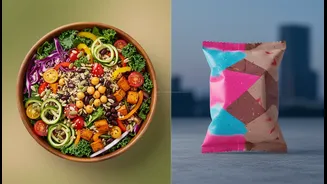
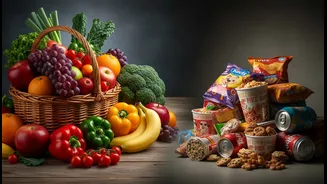
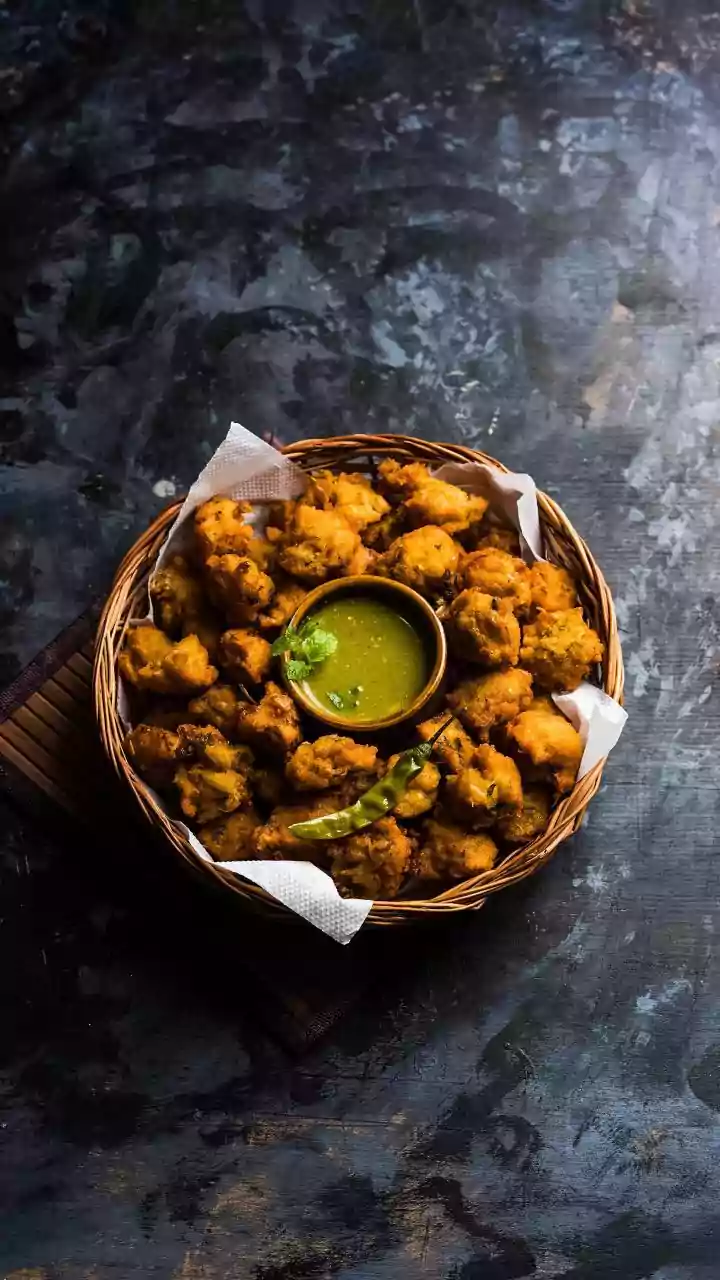
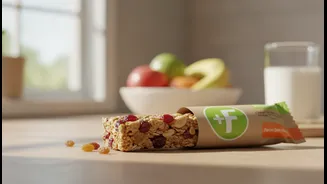
The expansion of India's food basket has come with a crucial catch: not all new choices are healthier. Alongside a greater intake of animal proteins, there has been a parallel explosion in the consumption of ultra-processed and convenience foods. Packaged snacks, sugary drinks, and ready-to-eat meals are filling the space once occupied by traditional, home-cooked foods. These products, often high in sugar, salt, and unhealthy fats, are becoming increasingly popular across both urban and rural India. According to some analyses, snacks and prepared foods now account for a major share of Indian food budgets after cereals and milk. This trend means that while diets are more varied, they are also becoming more calorie-dense without a corresponding increase in essential nutrients.
The Stubborn Problem of Hidden Hunger
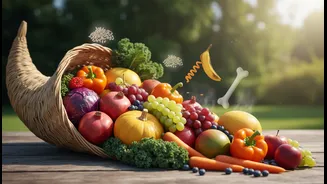
Despite eating more varied foods, a large section of the Indian population continues to suffer from 'hidden hunger,' or micronutrient deficiencies. Anaemia, caused by iron deficiency, remains a massive public health challenge, affecting a majority of young children and women of reproductive age. Deficiencies in Vitamin D and B12 are also widespread across the population. This paradox exists because dietary diversification has not automatically led to a balanced intake of all necessary food groups. Consumption of fruits, green leafy vegetables, and coarse grains like millets remains well below recommended levels for many. For instance, while overall protein intake has risen, much of it still comes from lower-quality cereal sources. This highlights that variety alone does not guarantee a nutritionally adequate diet.
The Unaffordable Healthy Plate
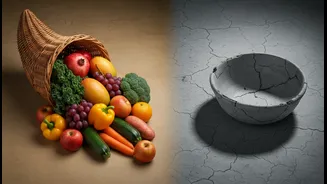
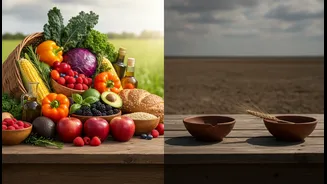
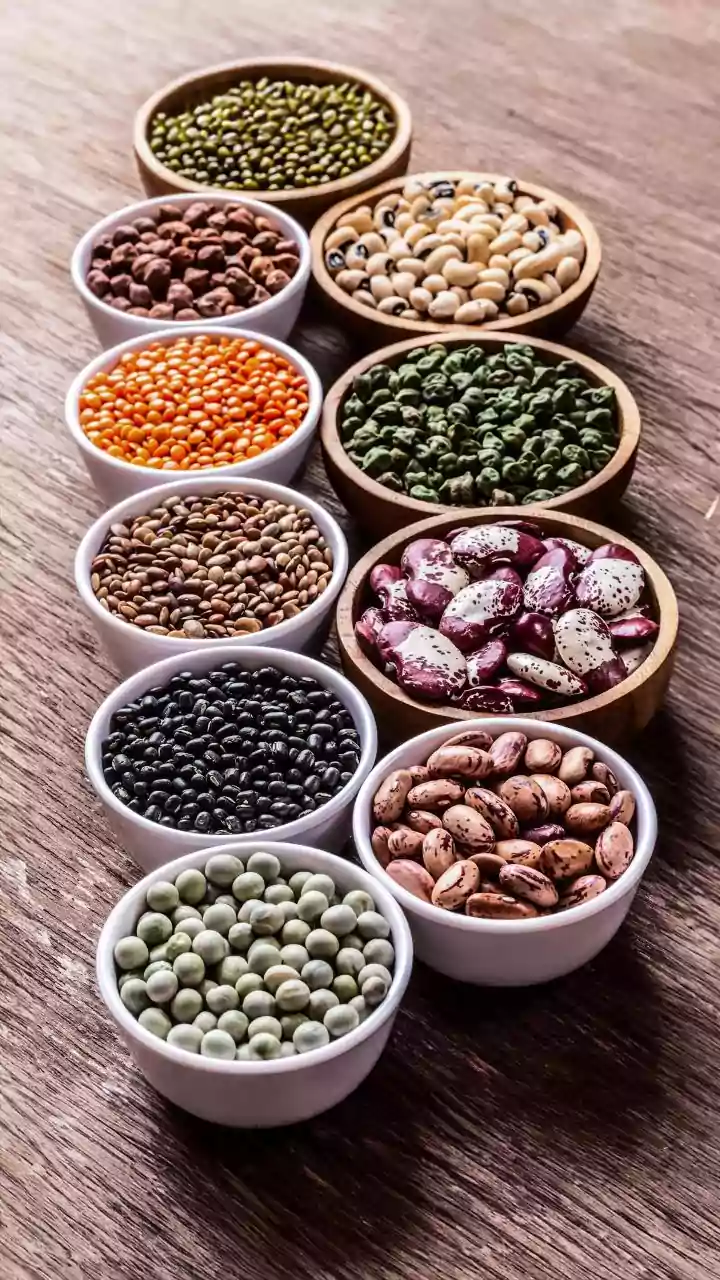
A primary reason for these persistent nutritional gaps is the cost of a truly healthy diet. While basic cereals are made accessible through public distribution systems, a balanced plate rich in fruits, vegetables, dairy, and quality proteins is unaffordable for a significant portion of the population. Studies have shown that the cost of a nutritious diet recommended by health bodies is several times higher than what many households, especially in rural areas, can spend on food. According to one 2023 report from the Food and Agriculture Organisation, an estimated 74% of the Indian population cannot afford a healthy diet. When prices for vegetables or pulses rise, families are often forced to cut back on these nutritious items first, falling back on cheaper, calorie-dense staples. This economic barrier means that for many, nutritional security remains out of reach, even as more food options appear in the market.