








Embrace Warm, Cooked Meals
This is the golden rule your grandmother probably swears by, and for good reason. The damp, humid environment of the monsoon is a perfect breeding ground for bacteria and viruses. Raw foods, especially salads and uncooked vegetables, carry a higher risk
of contamination. Cooking food at high temperatures effectively kills most of these harmful microorganisms. So, while a crisp salad feels refreshing, this is the season to switch to comforting soups, steamed vegetables, and well-cooked dals and curries. A warm meal also aids digestion, which tends to become sluggish during this season. Think of it less as a restriction and more as an excuse to enjoy comforting, hot meals that soothe both body and soul.
Be Smart About Leafy Greens
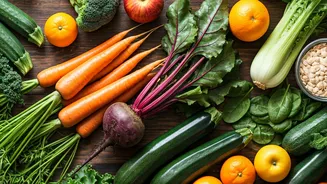
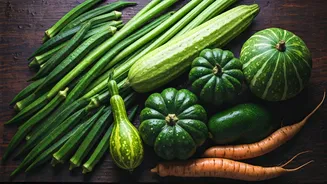
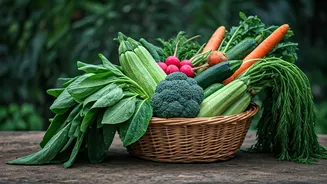
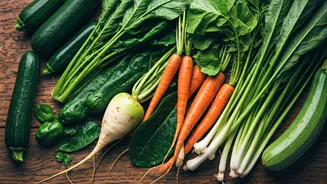
The advice to 'avoid leafy greens' during the monsoon is common, but it's more nuanced than that. The real issue is contamination. Vegetables like spinach, fenugreek (methi), and cabbage grow in moist, muddy conditions, making them susceptible to dirt, grime, and germs that are hard to wash off completely. If you can't resist your saag, the key is meticulous preparation. Blanching them in hot water for a minute before cooking is a great safety step. Wash them thoroughly in clean water, perhaps with a bit of salt or vinegar, to dislodge any hidden dirt. It’s not that the vegetables themselves are bad, but the risk they carry increases tenfold in the rain. When in doubt, stick to vegetables like gourds (lauki, turai) and pumpkins, which have protective skins.
Power Up with Immunity Boosters
Our immunity often takes a hit during the monsoon, making us more vulnerable to colds, flu, and infections. This is where traditional Indian kitchen wisdom shines. Incorporating antibacterial and anti-inflammatory ingredients into your daily diet is a simple yet powerful strategy. Add freshly grated ginger and black pepper to your chai. Use generous amounts of turmeric and garlic in your curries. These spices are not just for flavour; they are packed with compounds that help your body fight off infections. A warm glass of haldi doodh (turmeric milk) before bed isn’t just an old wives' tale; it’s a science-backed way to reduce inflammation and support your immune system.
The Hard Truth About Street Food
This is the most painful advice of all. The smell of hot bhajis, spicy pani puri, and sizzling tikkis is almost irresistible on a rainy day. However, street food is the biggest health risk during the monsoon. The water used is often of questionable origin, food is exposed to the damp air for long periods, and flies and other pests are rampant. This combination is a recipe for water-borne diseases like typhoid, cholera, and diarrhoea. If the craving is unbearable, try to recreate your favourite street food snacks at home. It might take a bit more effort, but you have complete control over the hygiene, water quality, and freshness of the ingredients. Your digestive system will thank you.
Stay Hydrated the Right Way
Because the weather is cool and humid, we often don't feel as thirsty and tend to drink less water. But your body still needs adequate hydration to function properly and flush out toxins. Dehydration can weaken your immune system further. The trick is to focus on warm fluids. Instead of ice-cold juices or aerated drinks that can aggravate your throat, opt for herbal teas, clear soups, and warm water with a squeeze of lemon. These not only keep you hydrated but also help keep your throat clear and your digestive system active. Aim for at least 8 glasses of boiled and cooled or filtered water throughout the day.