


A Wardrobe for Nine Nights
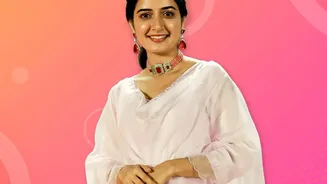
One of the most visible modern Navratri traditions is the practice of wearing a specific colour for each of the nine days. While the idea has older roots, it has been popularised in recent years by social media, turning the festival into a vibrant, coordinated
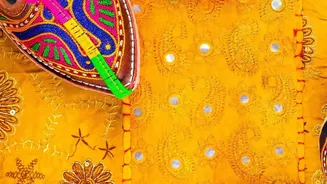
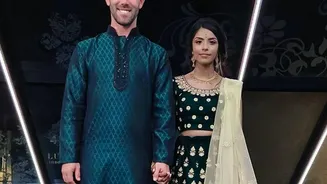
fashion statement. For Sharad Navratri 2026, which begins on October 11th, the colours will cycle through shades like orange, white, red, and royal blue. This trend has moved beyond simple outfits to become a full-fledged style event, with people planning their festive wardrobes weeks in advance. Fashion brands and designers release Navratri collections featuring everything from traditional Chaniya Cholis with intricate mirror work to contemporary Indo-Western outfits. This daily colour code offers a fresh way for devotees, especially younger generations, to connect with the festival's spirit, sharing their looks online and participating in a communal, visual celebration.
The Evolving Vrat Thali
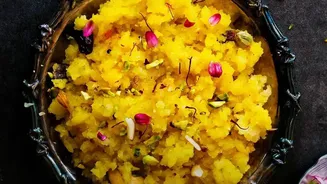
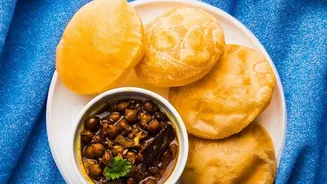
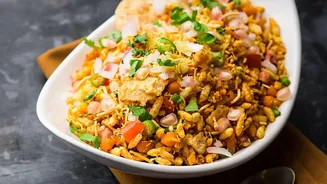
Navratri fasting cuisine, or 'vrat' food, has undergone a delicious transformation. While staples like Sabudana Khichdi, Kuttu Puris, and Samak rice remain at the heart of the fast, kitchens and restaurants are getting increasingly creative. Today, the festive food landscape includes gourmet interpretations of traditional fasting ingredients. Restaurants across the country now curate elaborate Navratri menus, offering everything from buckwheat croquettes and sabudana risotto to apple halwa and sweet potato kheer. These special 'satvik' menus, prepared without onion or garlic, cater to those observing the fast while providing an elevated dining experience. This culinary evolution shows that fasting doesn't have to mean forgoing flavour. It's a way to honour tradition while indulging in new tastes, transforming the vrat from a restrictive diet into a nine-day gastronomic journey.
Festive Wanderlust
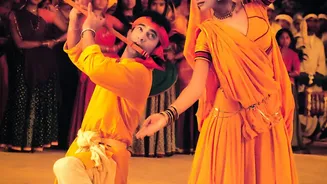
Alongside colourful attire and special meals, short trips are becoming a key part of the Navratri calendar. Instead of staying home, many now use the nine-day period for travel, embarking on journeys that range from spiritual pilgrimages to festive getaways. Destinations famous for their unique Navratri celebrations are seeing a surge in visitors. Gujarat, the heartland of Garba and Dandiya, remains a top choice, with cities like Ahmedabad and Vadodara hosting massive dance events. Other popular locations include Kolkata for the grandeur of Durga Puja, Mysore for its royal Dasara procession, and even spiritual centres like Mata Vaishno Devi in Jammu & Kashmir. Tour operators are increasingly offering curated Navratri packages that combine sightseeing with authentic festive experiences, allowing travellers to immerse themselves in the local culture. This trend reflects a desire to not just observe the festival, but to experience its diverse and vibrant expressions across India.
A Blend of Devotion and Expression
These modern trends are not replacing age-old rituals but are rather adding new layers to them. The core of Navratri—the worship of Goddess Durga and the celebration of good over evil—remains unchanged. However, the ways in which people engage with the festival are expanding. Social media plays a significant role in amplifying these new practices, from sharing colour-coordinated outfits to showcasing creative vrat recipes. Community Garba nights now exist alongside curated travel experiences, and home-cooked fasting food is complemented by gourmet restaurant thalis. This blend allows for a more personalised celebration, where individuals can embrace the aspects of the festival that resonate most with them, whether it's quiet devotion, energetic community dance, or a combination of both. It ensures that Navratri continues to evolve, remaining relevant and cherished across generations.