




Jamun: The Quintessential Monsoon Berry
Deep purple and delightfully tart, the Jamun, or Indian blackberry, is a hallmark of the Indian monsoon. This fruit is not just a seasonal treat but also a nutritional powerhouse. It is particularly known for its benefits in managing blood sugar levels,
making it a good choice for those with diabetes. Rich in Vitamin C and antioxidants, Jamun helps strengthen the immune system, which is crucial for fighting off common monsoon illnesses like the cold and flu. It also aids digestion, helps improve blood haemoglobin, and its astringent properties are beneficial for skin health, combating issues like acne.
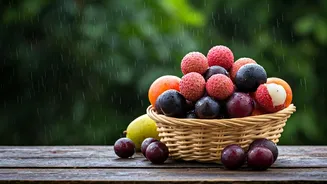
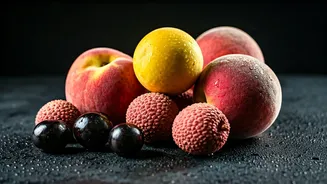
Litchi: A Sweet Burst of Immunity
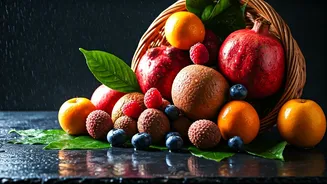
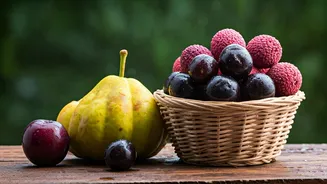
The arrival of litchis signals the beginning of the monsoon in many parts of India. This sweet, juicy fruit is incredibly refreshing and loaded with health benefits. Litchis are an excellent source of Vitamin C, a powerful antioxidant that plays a vital role in bolstering your immune system. They also contain a good amount of potassium, which helps in maintaining blood pressure, and dietary fibre that supports digestive health. The antioxidants in litchis, including various polyphenols, help protect the body from cellular damage and inflammation.
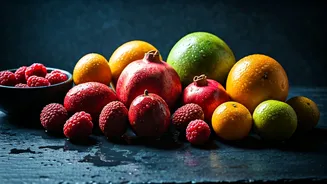
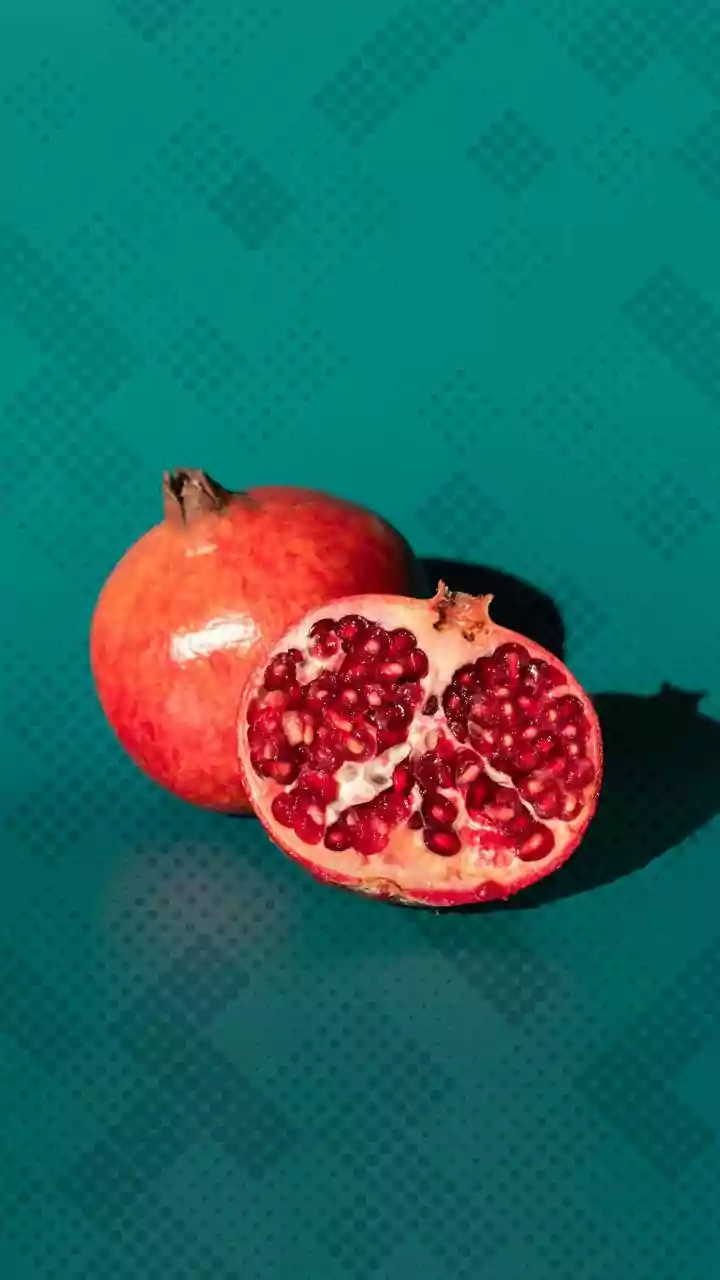
Pomegranate: The Antioxidant Powerhouse
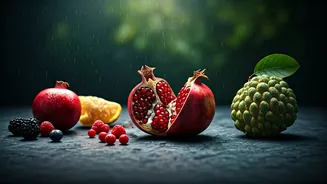
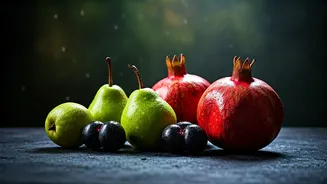
With its jewel-like seeds, the pomegranate (Anaar) is a fantastic fruit to include in your monsoon diet. It is celebrated for its high concentration of antioxidants, which are known to have anti-inflammatory properties that help protect the body from a range of illnesses. Pomegranates are rich in Vitamin C, which supports immune function and helps the body fight off infections. They also contribute to heart health by helping to lower blood pressure and improve cholesterol levels. Furthermore, these fruits can aid digestion and have antimicrobial properties.
Plums (Aloo Bukhara): For Digestive Wellness
Sweet, sour, and incredibly juicy, plums (Aloo Bukhara) are another monsoon favourite. They are an excellent source of dietary fibre, which is essential for maintaining a healthy digestive system and preventing constipation, a common issue for some during this season. Plums are also packed with antioxidants and Vitamin C, which help boost immunity and protect the body from infections. Their low-calorie count and high water content make them a great snack for weight management. Additionally, some studies suggest that the nutrients in plums support bone health.
Cherries: Small Fruits, Big Benefits
These small, vibrant red fruits are not just for cakes; they are a nutritional gem available during the rainy season. Cherries are packed with antioxidants and anti-inflammatory compounds, which can help reduce the risk of several chronic diseases and soothe sore muscles. They are a good source of vitamins C and A, as well as potassium. Interestingly, cherries also contain melatonin, a substance that can help regulate sleep cycles, making them a good choice for a pre-bedtime snack.
A Word on Monsoon Fruit Safety
While seasonal fruits are a blessing, the high humidity during the monsoon can lead to faster spoilage and an increased risk of contamination. It is crucial to wash all fruits thoroughly under clean, running water before consumption to remove any dirt or microbes. Avoid eating pre-cut fruits from street vendors, as they are more susceptible to contamination. It's best to cut fruits just before you plan to eat them. Store them properly in a clean, dry place or in the refrigerator to maintain their freshness and safety.