




The Vitamin A Showdown
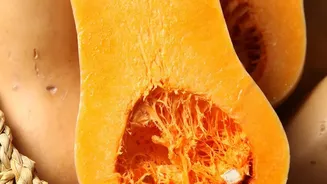
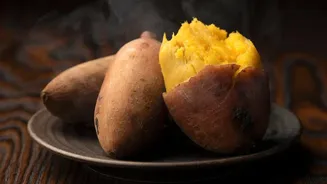
When it comes to vitamin A, both vegetables are champions, but one is the undisputed king. A single cup of cooked sweet potato can provide a staggering 1730 micrograms (mcg) of Retinol Activity Equivalents (RAE), which is over 190% of the recommended
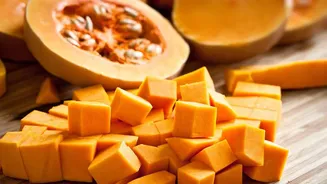
daily value. Butternut squash is also a powerhouse, offering a very respectable 1144 mcg per cup, or about 127% of the daily value. So, while both will easily meet your daily needs, sweet potato has a significant edge. This vitamin A doesn't come pre-formed; it comes from beta-carotene, the pigment that gives these vegetables their brilliant orange hue. Your body converts this beta-carotene into the active form of vitamin A, which is crucial for vision, immune function, and cell growth.
A Broader Nutritional Comparison
Looking beyond the headline nutrient, the differences become more nuanced. Butternut squash is the lighter option, containing about 82 calories per cooked cup, compared to the sweet potato's 180. This makes squash a great choice for those looking to add volume to meals without a high caloric cost. On the other hand, sweet potato pulls ahead on several other key nutrients. It offers more fibre, which is important for digestive health, and significantly more potassium, a mineral critical for managing blood pressure and muscle function. A cup of sweet potato has about 950mg of potassium, while butternut squash contains around 582mg. Both are also good sources of vitamin C, with sweet potato having a slight advantage.
Taste, Texture, and Culinary Use
Nutrition aside, the choice often comes down to what you're cooking. Sweet potatoes have a denser, starchier texture and a more pronounced, earthy sweetness. This makes them incredibly versatile. They are fantastic when roasted into wedges or 'fries', mashed into a creamy side dish, or even baked whole and topped with your favourite fillings. Their robust flavour holds up well to strong spices and seasonings. Butternut squash has a higher water content, resulting in a lighter, more delicate texture when cooked. Its flavour is nutty and subtly sweet, making it a perfect candidate for silky smooth soups and purées. It also roasts beautifully, caramelizing at the edges, and can be spiralized into 'noodles' or incorporated into risottos and casseroles where its milder flavour complements other ingredients.
The Glycemic Index Factor
For those monitoring blood sugar levels, the glycemic index (GI) is an important consideration. The GI measures how quickly a food raises blood sugar. Here again, we see a difference. When boiled, sweet potatoes generally have a low to medium GI, meaning they cause a slower, more gradual rise in blood sugar. Butternut squash typically has a lower GI than sweet potato. However, cooking methods matter. Roasting or baking can increase the GI of both vegetables compared to boiling. For most people, the high fibre content in both vegetables helps to moderate their impact on blood sugar, making them a healthy part of a balanced diet.
Understanding Beta-Carotene Conversion
It is also worth noting that the body's ability to convert beta-carotene into vitamin A is not always 100% efficient and can vary significantly from person to person. This conversion process relies on an enzyme known as BCO1. Genetic factors can influence how effective this enzyme is, meaning some individuals are 'low responders' to dietary beta-carotene. For most people eating a varied diet, this is not a concern, as they will still get plenty of vitamin A. Since both sweet potato and butternut squash provide such a massive amount of beta-carotene, they remain excellent sources for nearly everyone.