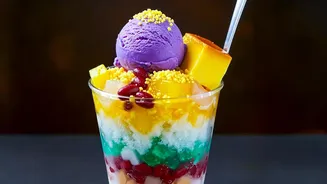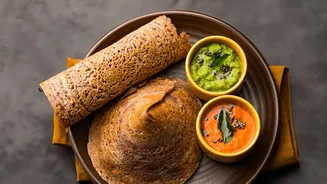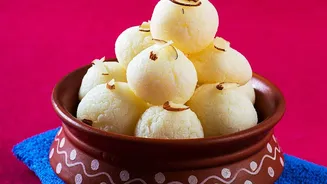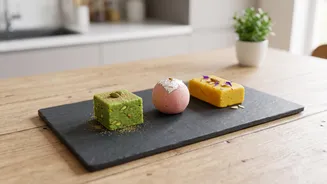

A Platter of Delicious Surprises
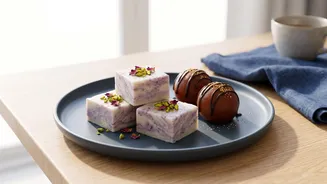
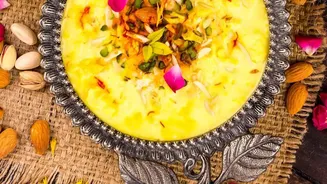
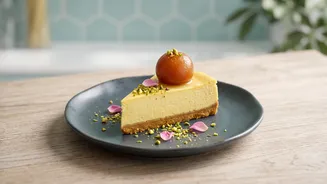
The traditional mithai selection is getting a creative makeover. Imagine the syrupy delight of a gulab jamun nestled within the creamy richness of a cheesecake, or the delicate sponge of a Rasmalai Tres Leches cake soaked in saffron milk. These aren't
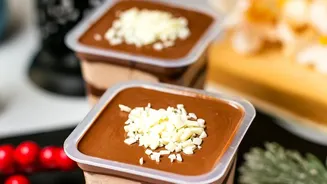
just flights of fancy; they are part of a growing trend where Indian sweets are reimagined. We're seeing everything from motichoor laddoos incorporated into cheesecakes to the spicy, aromatic notes of chai infused into Italian tiramisu. Boutique sweet makers and inventive chefs are crafting treats like coffee-infused kaju katli, brownie-inspired barfi, and even mojito-flavoured laddoos. The goal isn't to replace the classics but to expand the menu, offering a novel experience that still tastes like home.
Why the Sweet Shake-Up Now?
This culinary evolution is driven by a confluence of factors. Younger generations, exposed to global cuisines and active on social media, are drawn to creations that are both nostalgic and visually striking. An artfully layered gulab jamun cheesecake or a brightly coloured paan truffle isn't just a dessert; it's an Instagram-worthy statement. This fusion trend appeals to diverse palates within the same family—offering older members familiar flavours like rose and cardamom in a modern format, while delighting younger ones with innovative textures and presentations. It’s a way for tradition to feel fresh and relevant in a rapidly globalising world, turning a simple box of sweets into a curated, thoughtful gift.
From Halwai Shops to Gourmet Boutiques
This trend isn't confined to high-end patisseries. Even legacy sweet makers, known for their traditional offerings for decades, are innovating to cater to evolving tastes. Brands like Bikanervala and Haldiram's have introduced gourmet lines that blend global flavours with classic mithai. At the same time, a new wave of artisanal and boutique brands like Bombay Sweet Shop and Khoya have made modern mithai their signature, focusing on premium ingredients, creative storytelling, and elegant packaging. They are transforming mithai from a simple sweet into a lifestyle product, a piece of edible art that reflects a modern Indian identity—proud of its roots yet open to the world.
A Story of Evolution, Not Erasure
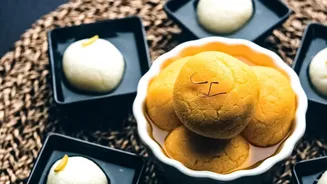
The history of Indian sweets is a story of continuous evolution. Early sweets mentioned in ancient texts were simple concoctions of honey, ghee, and grains. Over centuries, influences from trade and different ruling dynasties, particularly the Mughals, introduced new ingredients and techniques, giving us classics like gulab jamun and barfi. The current fusion trend is simply the next chapter in this long history. It’s a cultural conversation on a plate, where a French patisserie technique can meet a beloved Bengali sweet, or the flavours of a post-dinner paan can be reimagined as a delicate chocolate truffle. This isn't about losing tradition, but about finding new and exciting ways to celebrate it.