

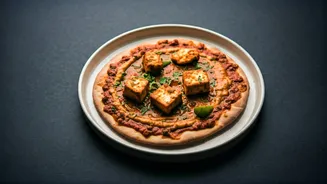


The Undisputed King: Honey-Chilli
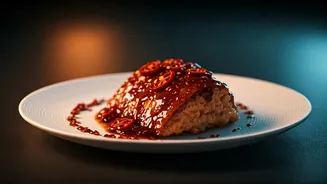
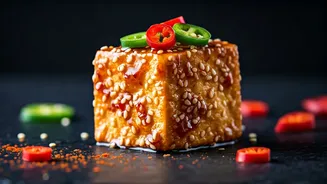
Before 'swicy' was a buzzword, there was honey-chilli potato. This Indo-Chinese starter is the spiritual godfather of the entire trend. Crispy fried potatoes (or cauliflower, or tofu, or paneer) tossed in a glossy sauce that perfectly balances the floral
sweetness of honey with the sharp heat of red chillies and the savoury depth of soy sauce. It’s a dish that has been a staple on restaurant menus for years, priming our palates for the flavour explosion that was to come. This dish walked so the rest of the swicy menu could run.
Global Flavours, Desi Palates
The current swicy wave is powerfully influenced by global culinary trends, particularly from Korea and Thailand. The rise of K-culture has introduced many Indians to gochujang, a fermented Korean chilli paste that carries a subtle sweetness alongside its profound, smoky heat. You can now find gochujang-glazed everything, from chicken wings at trendy bars to paneer tikka with a Korean twist. Similarly, the sweet-sour-spicy profile of Thai cuisine, found in dishes like sweet chilli sauce and Pad Thai, has seamlessly integrated into the Indian food scene. These global sauces provide a new vocabulary for our inherent love of complex flavours, offering a novel-yet-familiar taste that feels both adventurous and comforting.
The Street Food Reinvention
This trend isn't just confined to cafes and restaurants. India’s dynamic street food vendors are at the forefront of the swicy revolution. Take the 'Swicy Pav,' an ingenious creation that reimagines the humble pav. Instead of a simple vada or bhaji, the pav is often filled with a spicy-sweet paneer or chicken preparation, sometimes drizzled with a hot and sweet sauce that elevates it beyond its humble origins. We're also seeing it in chaat, where the traditional tamarind chutney's sweetness is now being paired with spicier elements, like ghost pepper (bhoot jolokia) flakes or even hot honey drizzles over dahi puri. This grassroots innovation is where the trend truly comes alive, proving that swicy is not a gimmick but a genuine evolution in our taste preferences.
The Rise of Hot Honey
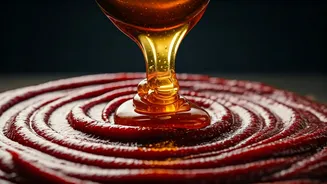
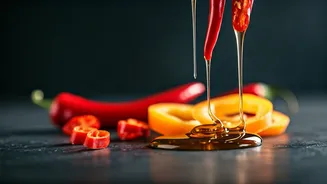
If one condiment defines the modern swicy movement, it’s hot honey. This simple infusion of chilli peppers into honey has become a culinary sensation. What started as a niche topping for pizza (a surprisingly perfect pairing for pepperoni or mushrooms) is now everywhere. Chefs and home cooks are drizzling it over fried chicken, roasted vegetables, cheese boards, and even ice cream. The appeal lies in its simplicity and versatility. The honey's sweetness hits first, followed by a slow-building, warm heat from the chillies. It provides an instant upgrade to almost any dish, adding a layer of sophisticated sweet-heat that feels both rustic and refined.
Why We're Obsessed
So, why this sudden craze for all things swicy? It’s more than just a trend; it's rooted in culinary science. The combination of sweet and spicy creates a phenomenon known as 'flavour layering.' Your taste buds experience the sensations in waves rather than all at once. The sugar molecules temper the initial burn of capsaicin (the compound that makes chillies hot), allowing you to appreciate the fruity, smoky notes of the pepper itself. This dynamic interplay makes each bite more interesting than the last. In a country already accustomed to the complex sweet, sour, salty, and spicy notes of chaat and pickles, the swicy trend feels like a natural and exciting next step in our collective culinary journey.