


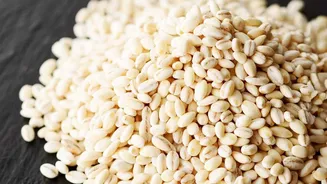
The New 'Old' Superfoods
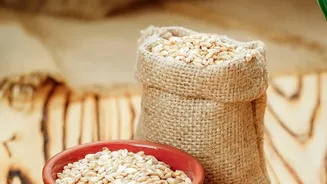
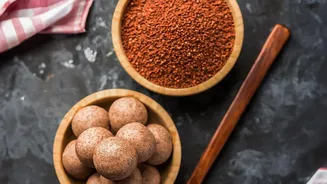
What was once considered humble or 'village food' is now being celebrated as a superfood. Grains like jowar (sorghum), bajra (pearl millet), and ragi (finger millet) were staples across India for centuries before the Green Revolution prioritized wheat
and rice. These ancient grains, naturally gluten-free and climate-resilient, are now experiencing a renaissance. Health-conscious consumers are driving this demand, seeking nutrient-dense alternatives to refined flours. This shift is not just about health; it's a rediscovery of India's immense agricultural biodiversity, which was sidelined for decades. The perception is changing from coarse grains to 'heritage' or 'miracle' grains, packed with protein, fiber, and micronutrients.
The Millet Makeover
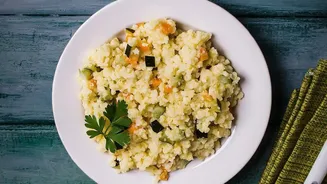
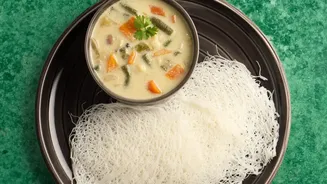
Millets are the undisputed stars of this revival. Once a significant part of the Indian diet, their cultivation and consumption dwindled dramatically. Today, they are making a splash in everything. Startups and established brands are transforming millets into a variety of modern, convenient formats. You can now find millet-based breakfast cereals, dosa and idli mixes, pasta, noodles, and even cookies. This 'premiumization' has opened up a new urban market that is eager for healthy yet tasty options. The government has also played a role, with initiatives like the 'International Year of Millets' boosting awareness and encouraging startups in the sector.
Beyond the Grains
The trend extends far beyond millets. Phool makhana (fox nuts), once a simple fasting snack, is now a mainstream favourite, available in various roasted and flavoured avatars. Rich in antioxidants and minerals, it has become a go-to healthy munch. Another star is kathal (jackfruit), which has gained global recognition as a plant-based meat substitute. In India, its journey from a traditional vegetable to a key ingredient in vegan biryanis and burgers is a testament to its versatility. Even forgotten spices like kalpasi (stone flower) and pipli (long pepper) are being rediscovered by chefs and artisanal spice brands for their unique flavours and medicinal properties.
Chefs and Brands on a Mission
This culinary revival is being led by passionate chefs and entrepreneurs. Visionary chefs are championing a hyper-local, ingredient-first philosophy. Chef Prateek Sadhu, for example, focuses on foraged and Himalayan ingredients at his restaurant NAAR, while others are reviving royal recipes and regional specialities that had nearly vanished. These culinary custodians see themselves as storytellers, using food to narrate tales of culture and heritage. Alongside them, a new wave of startups is making these ingredients accessible. Brands like Slurrp Farm, Millet AMMA, and Forgotten Foods are built on the promise of bringing back traditional, healthy foods in formats that fit modern, busy lifestyles.
A Taste of Nostalgia and Sustainability
At its heart, this movement is driven by more than just health trends; it's fueled by a collective yearning for authenticity and connection. For many, these flavours are a taste of childhood and a link to their heritage. Eating these foods is a way of reclaiming a piece of a cultural past that was fading. Furthermore, this trend aligns perfectly with a growing global consciousness around sustainability. Many of these forgotten crops are naturally drought-resistant, require less water than wheat and rice, and can thrive without chemical inputs, making them better for the planet. By choosing these ingredients, consumers are not just making a healthy choice, but also supporting a more sustainable and resilient food system.