

The Season of Gobi
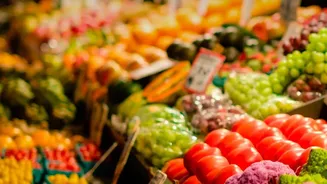
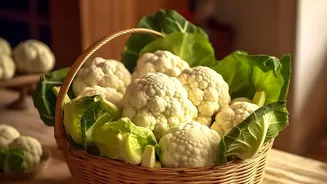
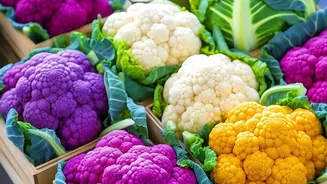
There's a simple reason you're seeing stacks of fresh, white cauliflower, or 'gobi', at every vegetable vendor: it's peak season. Cauliflower is a cool-season crop that thrives in India's winter months. The main harvest season spans from September to
February, with mandi supply across the country being heaviest from December to March. This abundance leads to a natural dip in prices, making it one of the most economical and intelligent buys for your kitchen right now. Prices are typically at their lowest in January and February, following the peak harvest. Recent data from November shows that prices have already been easing, signalling the start of this budget-friendly period for shoppers.
A Nutritional Powerhouse
Beyond its affordability, cauliflower is packed with nutritional benefits. It is an excellent source of fibre, vitamins C and K, and folate. Fibre is crucial for digestive health, feeding the good bacteria in your gut and helping to reduce inflammation. With only about 27 calories per cup and a high water content, it's a fantastic food for weight management, helping you feel full and satisfied. This versatile vegetable also contains powerful antioxidants and compounds like sulforaphane, which may help protect against various chronic diseases, support heart health, and even play a role in cancer prevention.
Beyond the Usual Sabzi
While Aloo Gobi is a beloved classic, cauliflower's culinary potential is far greater. Its mild, slightly nutty flavour allows it to adapt to countless preparations. For a simple and hearty meal, try roasting florets with turmeric, cumin, and other spices until they are tender and slightly caramelised. You can pulse it in a food processor to create 'cauliflower rice', a low-carb substitute for grains. It can be blended into creamy, dairy-free soups, mashed as a healthy alternative to potatoes, or used to make the popular Gobi Manchurian and Gobi 65 snacks. From Tandoori Gobi to crispy cauliflower pakodas, the options are nearly endless.
Simple and Inspiring Preparations
To get started, try a simple Gobi Masala. Sauté onions, ginger, and garlic, then add tomatoes and spices like turmeric, red chilli powder, and garam masala. Add the cauliflower florets, a splash of water, and cook until tender. Another fantastic option is Gobi Paratha, where a spiced cauliflower filling is stuffed into whole wheat flatbreads. For a modern twist, slice the head into thick 'steaks' and pan-sear or roast them with your favourite seasonings. Don't forget to use the leaves and stem; they are perfectly edible and nutritious, great for adding to soups or stir-fries.
Shopping and Storage Tips
When you're at the market, choose a cauliflower head that is firm, compact, and creamy white, with no dark spots. The surrounding leaves should look fresh and green. Avoid heads that are soft or have started to yellow. To store it, keep the cauliflower in its original wrapper or place it stem-side up in a loosely opened plastic bag in your refrigerator's crisper drawer. This will help prevent moisture from collecting on the florets. Stored properly, a fresh head of cauliflower can last for up to two weeks.