





Dressing for the Downpour: Essential Packing
Packing correctly is your first line of defense against monsoon troubles. Prioritise function over fashion. Opt for lightweight, synthetic, and quick-drying clothes instead of heavy fabrics like denim, which take forever to dry in the high humidity. A
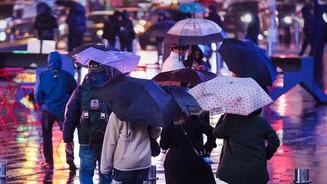
reliable waterproof jacket is a better choice than an umbrella, which can be difficult to manage in windy conditions. The most crucial item is your footwear. Choose waterproof sandals or rubber floaters with a good grip to navigate slippery, uneven pavements and puddles. Regular shoes or sneakers will get soaked and become uncomfortable. It’s also wise to pack extra pairs of socks; there's nothing more miserable than being stuck with wet feet all day. Finally, protect your electronics with waterproof bags or pouches.
Navigating the City: Transport and Waterlogging
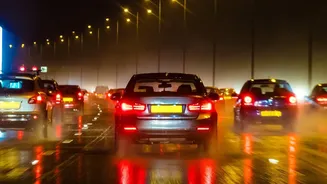
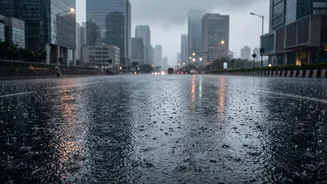
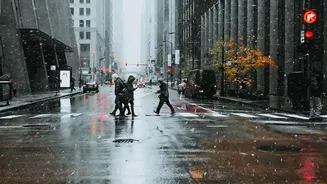
Getting around Mumbai during a heavy downpour requires patience and planning. While the city rarely comes to a complete halt, transport can be significantly affected. The local train network, Mumbai's lifeline, generally remains operational but expect delays, especially if tracks are waterlogged. The Western railway line is often considered a safer bet with less risk of major disruptions. Roads are a bigger challenge. Heavy rain often leads to severe traffic jams and waterlogging in low-lying areas. According to the BMC, chronic waterlogging spots include areas in the Mithi river basin like Kurla and Santacruz, as well as parts of Malad, Borivali, and even South Mumbai locations like Churchgate and Crawford Market during exceptionally heavy spells. It's essential to check traffic updates and waterlogging alerts on official social media channels before heading out. When possible, using the Metro can be a more reliable option to bypass road traffic.
Staying Safe and Healthy
The monsoon brings its own set of health and safety risks. Walking through floodwater is extremely dangerous as it can hide open manholes, sharp debris, and even damaged electrical wires. If you cannot see the ground beneath the water, find an alternate route. Station staircases and foot-over bridges become very slippery, so slow down and hold onto railings. To avoid water-borne illnesses, stick to bottled or filtered water and be cautious with street food, especially items that may have been exposed to unclean water. Carry a hand sanitiser and a basic first-aid kit. It's also a good idea to keep a power bank handy, as travel delays can be long and you'll need your phone to stay updated and in touch.
Embracing the Rain: What to See and Do
Don’t let the rain keep you indoors. Some of Mumbai’s most iconic experiences are amplified during the monsoon. Watching the powerful waves crash against the tetrapods at Marine Drive or Worli Sea Face is a quintessential monsoon activity. The promenades at Bandra Bandstand and Carter Road are also popular spots to soak in the atmosphere. For a touch of nature, Sanjay Gandhi National Park becomes incredibly lush and green. When the downpour gets too intense, Mumbai offers plenty of fantastic indoor escapes. Explore the city’s rich history at museums like the Chhatrapati Shivaji Maharaj Vastu Sangrahalaya (CSMVS) or the Dr. Bhau Daji Lad Museum. The Kala Ghoda arts precinct is filled with galleries. Alternatively, you can seek refuge in one of Bandra's many cosy cafes or explore a sprawling mall for shopping and entertainment.