


Earth's Ever-Changing Canvas
To understand why lunar footprints are so permanent, we first need to look at why ours are so fleeting here on Earth. Every step you take is a temporary mark on a planet in constant motion. The primary eraser is our atmosphere. It generates wind that
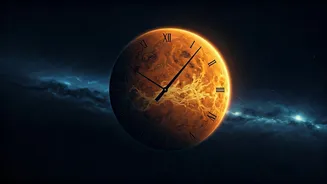
blows dust and sand, and weather that brings rain, which washes away impressions in soil or mud. Water, in the form of rivers, oceans, and ice, is a relentless sculptor of our planet’s surface. Furthermore, Earth is geologically alive. Tectonic plates shift, volcanoes erupt, and earthquakes reshape the landscape. Finally, life itself is a force of change. Plants grow, animals burrow, and microbes break down organic matter, constantly turning over the soil. A footprint left on a beach might last minutes; one left in a forest, perhaps days or weeks. On Earth, nothing stays still for long.
The Great Stillness of the Moon
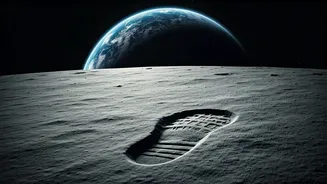
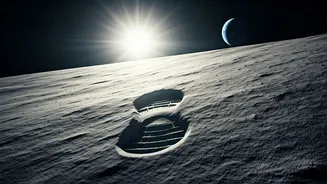
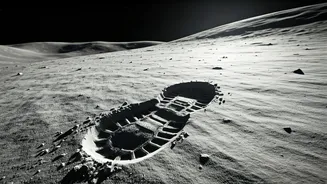
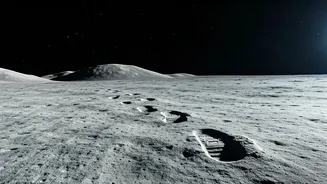
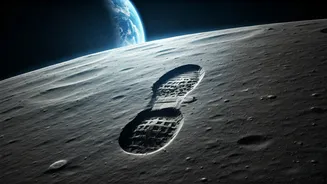
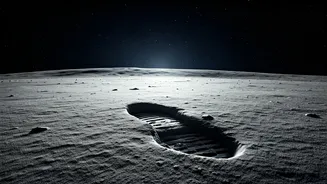
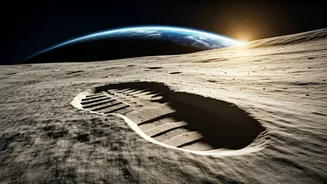
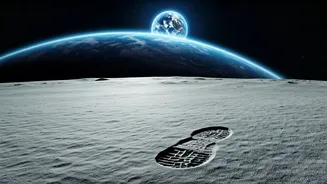
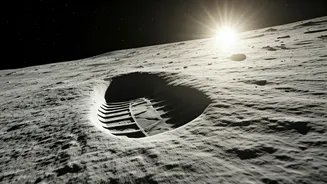
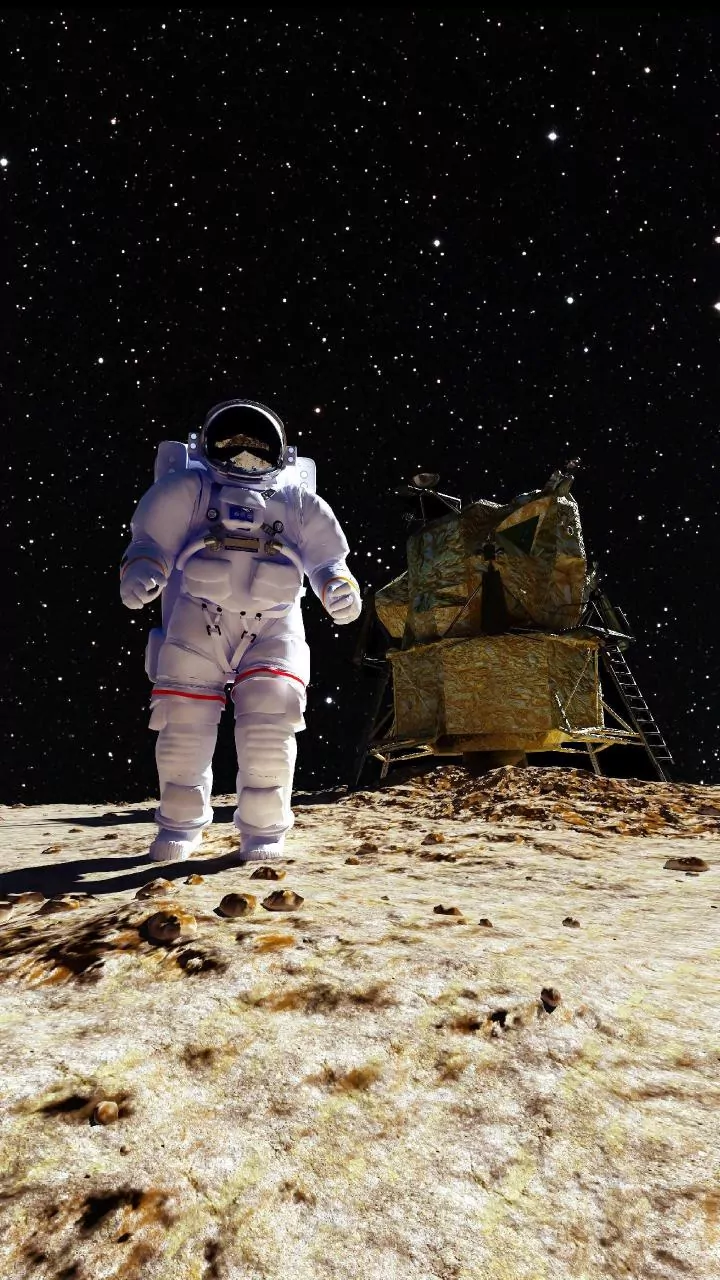
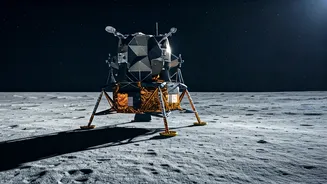
Now, contrast that with the Moon. Our natural satellite is, for all intents and purposes, a geological museum. Its most important feature, in this context, is its almost complete lack of an atmosphere. It has a vanishingly thin layer of gases called an exosphere, but it's not dense enough to generate wind or weather. There is no air to blow dust around and no rain to wash away Neil Armstrong’s and Buzz Aldrin's boot prints. The Moon also has no liquid water on its surface to cause erosion. While there is water ice in permanently shadowed craters, it doesn't flow or interact with the wider surface. Geologically, the Moon is mostly quiet. Its volcanic activity died out billions of years ago. Without wind, water, or significant geological turnover, the surface is remarkably static. When the Apollo astronauts pressed their boots into the fine lunar dust, or regolith, they created impressions in a medium that had no natural means of erasing them.
But Not Quite Forever
While the footprints are incredibly durable, they aren't truly eternal. The Moon may lack an atmosphere, but it is not protected from the harsh environment of space. There is a constant, slow-motion process of erosion called 'space weathering'. The primary culprits are micrometeorites—tiny particles of rock and dust, often no bigger than a grain of sand, travelling at tremendous speeds through the solar system. The Moon is constantly being bombarded by this cosmic sandblasting. Each impact, though tiny, kicks up a little bit of dust and slightly alters the surface. Over immense timescales—think millions of years—this gentle but relentless process will eventually smooth over the astronauts' footprints, the rover tracks, and all other marks we've left behind. The solar wind, a stream of charged particles from the Sun, also contributes to slowly altering the soil. So, while the footprints will outlast every structure on Earth, they too have an expiration date, albeit one that is millions of years away.
A Tale of Two Planets
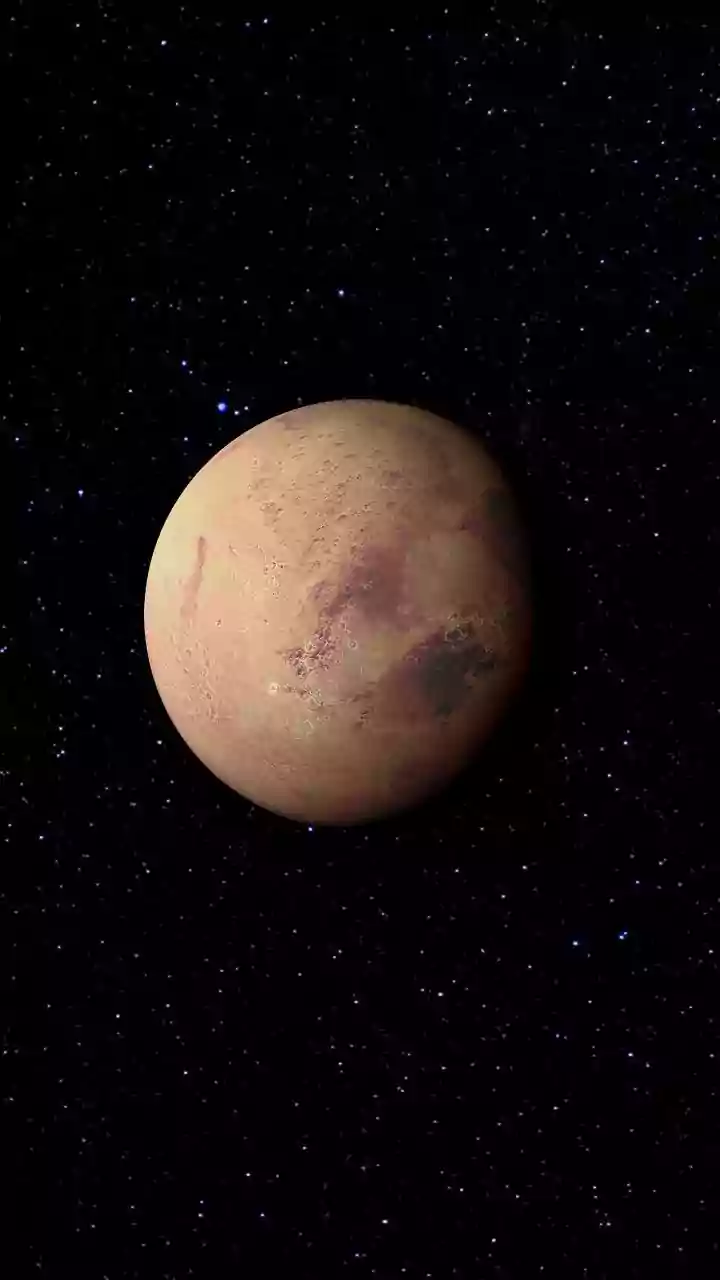
The story gets even more interesting when we look at Mars. Like Earth, Mars has an atmosphere, but it's much thinner—about 1% of Earth's density. It also has wind and massive dust storms that can engulf the entire planet. We've seen this in action. The tracks left by NASA's rovers, like Spirit and Opportunity, have been photographed slowly disappearing under layers of wind-blown red dust. This makes Mars a fascinating middle ground. Its features are more permanent than Earth's but far less so than the Moon's. The thin Martian atmosphere is just active enough to rearrange the surface over months and years, serving as a powerful reminder of how unique each celestial body's environment is. The preservation of a simple footprint becomes a key diagnostic tool, telling us about the dynamic—or static—nature of an entire world.