






Why Tax Season Heightens Your Risk
Tax season is a period of heightened financial anxiety and activity. Many are preoccupied with filing returns, calculating liabilities, and anticipating refunds. Scammers exploit this environment of distraction and urgency. They know that people might
be expecting official communication regarding their taxes, making them more susceptible to fraudulent messages that appear legitimate. The Income Tax Department has repeatedly warned taxpayers about a surge in refund-related fraud attempts, with scammers using fake emails, SMS messages, and phone calls. These messages often create a sense of panic, using phrases like "urgent action required" or warning of penalties to pressure individuals into clicking malicious links or sharing sensitive data.
Common Tax-Related UPI Scams
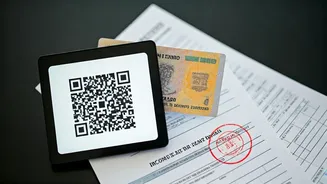
Fraudsters have developed specific scams tailored to tax season. One of the most common involves a fake SMS or email claiming you are eligible for an income tax refund. The message will contain a link that directs you to a phishing website designed to look like the official Income Tax portal, where you are prompted to enter your bank details, PAN, and OTP to "receive" the refund. Another tactic involves calls from individuals impersonating tax officials. They might claim there's a discrepancy in your filings and demand an immediate payment via UPI to settle the issue and avoid legal action. Scammers also use fake QR codes, sending them under the guise of processing a refund; scanning it and entering your PIN actually sends money from your account.
The Golden Rule: Never Enter a PIN to Receive Money
The single most important rule of UPI security is this: you never need to enter your UPI PIN to receive money. Your PIN is a password for authorising payments *from* your account. Scammers frequently exploit a misunderstanding of the "Request Money" feature on UPI apps. They will send you a collect request, but the notification on your phone might look like a payment confirmation. If you then enter your UPI PIN, you are not accepting money; you are authorising a payment to the scammer. Always remember that legitimate entities, including the Income Tax Department, will never ask for your PIN, OTP, or password via email or SMS.
How to Secure Your UPI Transactions
Protecting yourself involves a combination of vigilance and basic security hygiene. First, always verify the identity of anyone you transact with. Before approving any payment, double-check the recipient's name that appears on your screen. Use strong, unique PINs and passwords for your UPI apps and enable two-factor authentication (2FA) wherever possible. Only download official UPI apps from the Google Play Store or Apple App Store, and be wary of third-party apps. Keep your phone's operating system and your payment apps updated to ensure you have the latest security patches. Finally, regularly monitor your transaction history and enable SMS and app notifications for all payments to catch any suspicious activity immediately.
What to Do If You Suspect Fraud
If you believe you have been targeted by a scam or have made a fraudulent transaction, it is crucial to act quickly. The first step is to call the national cybercrime helpline number, 1930. This can help trigger an immediate freeze on the transaction trail. You should also report the incident on the National Cybercrime Reporting Portal at www.cybercrime.gov.in. After that, report the fraudulent transaction to your bank and through the dispute resolution mechanism on your UPI app. Take screenshots of the fraudulent messages and transaction details, as these will be essential for your complaint. For suspicious tax-related messages, you can report them to webmanager@incometax.gov.in and incident@cert-in.org.in.