



Understanding the September Forecast
After an erratic season, the performance of the monsoon in September is critical for maturing summer-sown crops. The season-long rainfall deficit was already around 14% by the end of August. While a low-pressure system is expected to bring rain to eastern
and central India in the first week of September, forecasts suggest that overall rainfall for the month could be below normal for many regions. This is largely attributed to strengthening El Niño conditions, which typically suppress monsoon rainfall. A significant deficit in September can stress crops during their most vital growth stage, impacting everything from grain size to overall yield.
Paddy: The Water-Intensive Crop at Risk
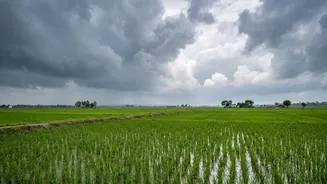
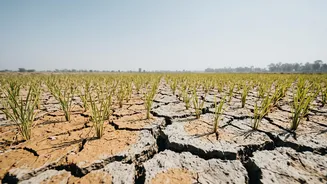
For rice (paddy), the most important Kharif crop, the final month of the monsoon is essential for the grain-filling stage. A lack of rain during this period can lead to significant yield losses. Areas that are primarily rainfed are most vulnerable. States like Bihar, Andhra Pradesh, and parts of Uttar Pradesh, which have already experienced substantial rainfall deficits this season, face the highest risk. Insufficient water can result in lighter grains, a higher proportion of broken rice during milling, and a lower overall harvest. Even in irrigated areas, a dry spell increases reliance on groundwater, raising costs for farmers and putting pressure on already strained water resources.
Soybeans and Pulses: A Mixed Impact
For crops like soybeans, pulses (like tur and moong), and oilseeds, the impact of a dry September is nuanced. While these crops are generally less water-intensive than paddy, they still require adequate soil moisture for pod-filling and seed development. A sudden dry spell can force the plants into early maturity, resulting in smaller pods and lower yields. Conversely, excessive rain at harvest time can damage the quality of the produce. Therefore, a balance is key. Farmers will need to monitor their fields closely for signs of moisture stress, as a timely light irrigation, where possible, can make a significant difference to the final output.
Cotton and Coarse Grains: Resilience Under Test
Cotton is another major Kharif crop that could face challenges. Moisture stress during the boll development phase can lead to smaller bolls and reduced fibre quality. While cotton has a deeper root system that can offer some resilience, prolonged dryness will inevitably impact yields. Coarse cereals like maize, jowar, and bajra, often grown in rainfed conditions, are also at risk. Sowing of maize has already seen a decline compared to last year. Although these crops are hardier than rice, their productivity is directly linked to late-season rains, and a shortfall could curb output.
What Farmers Can Do: Mitigation and Management
While the weather is uncontrollable, farmers can take several steps to mitigate the impact of a dry spell. The priority should be on conserving soil moisture. Techniques like mulching with crop residue can help reduce evaporation. If irrigation is available, it should be used judiciously and timed for the most critical growth stages, such as flowering and grain-filling. Farmers should also stay updated with advisories from local agricultural universities and Krishi Vigyan Kendras, which provide specific guidance based on regional conditions. Additionally, dry conditions can sometimes lead to an increase in pest attacks, so regular monitoring and appropriate pest management will be crucial to protect the standing crop.