

Beyond the Biceps: Why Protein Matters for Everyone
The conversation around protein has been hijacked by gym culture, creating a perception that it's only for building muscle. In reality, protein is a fundamental building block for your entire body. It’s crucial for repairing tissues, supporting your immune
system, producing hormones and enzymes, and maintaining healthy hair and skin. When you feel constantly tired or find that you're falling sick often, a lack of protein could be a contributing factor. For children and older adults, adequate protein is even more critical; it supports growth in the young and prevents muscle loss in seniors.
How Much Protein Do You Actually Need?
The numbers pushed by the fitness industry can be intimidating, but the reality for the average Indian adult is much more manageable. The Indian Council of Medical Research (ICMR) recommends about 0.8 grams of protein per kilogram of body weight for a sedentary adult. So, a person weighing 60 kg needs around 48 grams of protein per day—not the 150 grams you might see a bodybuilder aiming for. While surveys show many Indians fall short of this target, the gap is much easier to bridge than you might think, often without needing expensive supplements.
Your Kitchen Is Already a Protein Powerhouse
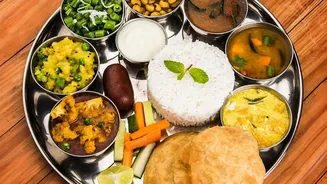
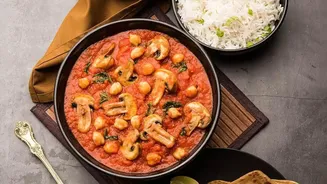
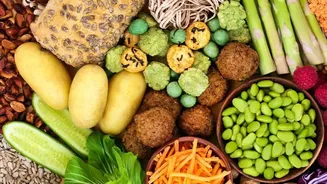
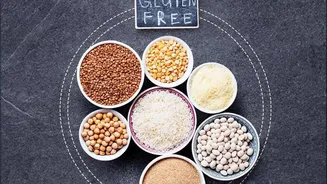
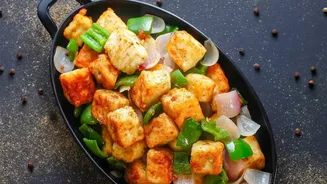
The good news is that the Indian kitchen is naturally stocked with excellent protein sources. You don't need to look for exotic or imported ingredients. Lentils (dal), chickpeas (chana), kidney beans (rajma), and paneer are all fantastic sources. Dairy products like milk and curd (yoghurt) are also packed with high-quality protein. Even common pantry staples like peanuts, almonds, and various seeds contribute significantly to your daily intake. The key is to be mindful of portions. A single bowl of dal might only have around 7-8 grams of protein, so ensuring these foods feature across your meals is important.
The Myth of 'Incomplete' Vegetarian Protein
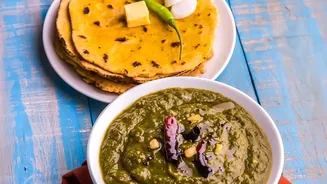
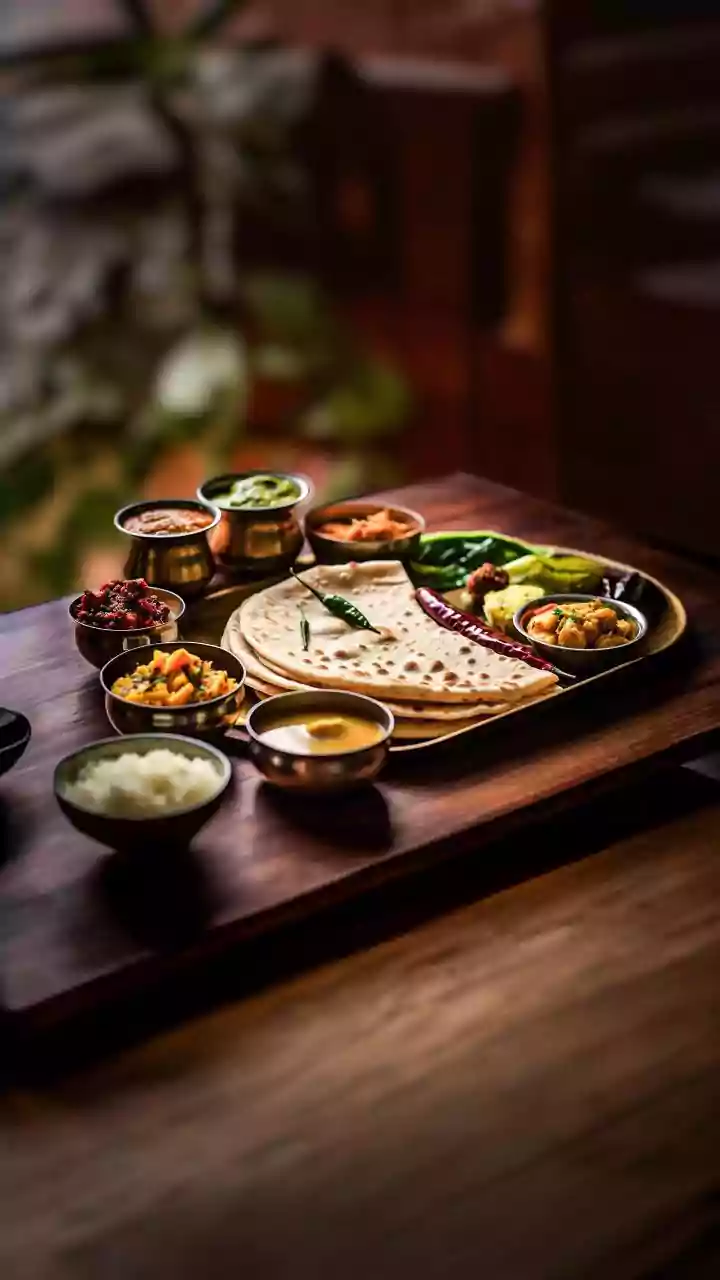
A common worry, especially for vegetarians, is that plant-based proteins are 'incomplete' because they may lack one or more essential amino acids. However, traditional Indian cuisine has an inbuilt solution: food combining. Our classic meal structures are often scientifically brilliant. For example, dal is typically low in the amino acid methionine but rich in lysine. Rice and roti are the opposite. When you eat them together, as in dal-chawal or dal-roti, you create a complete protein profile, getting all the essential amino acids your body needs. Other classic combinations like idli-sambar and rajma-chawal work in the same complementary way.
Simple Swaps to Boost Your Daily Intake
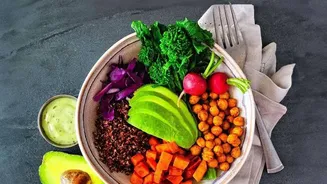
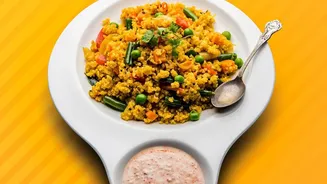
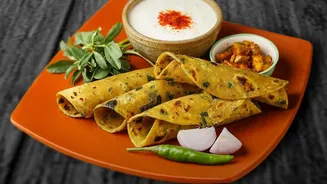
Meeting your protein goals doesn’t require a drastic diet overhaul. It’s about making small, intelligent choices throughout the day. Start your morning with a moong dal chilla instead of a carb-heavy breakfast. Choose a snack of roasted chana or a handful of nuts over fried snacks. Adding a portion of paneer to your vegetable sabzi or having a bowl of curd with your lunch can significantly increase the protein content of your meal. Even swapping regular rice for options like quinoa or millets in a pulao can add a valuable protein punch.