







The Daily Struggle on Shared Tracks
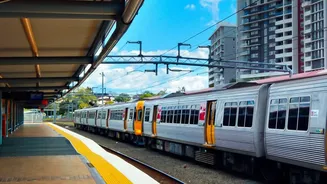
Mumbai's suburban railway, often called its lifeline, is one of the busiest in the world, carrying over six million commuters daily. This immense pressure is compounded because the tracks aren't just for the iconic local trains. They are also used by
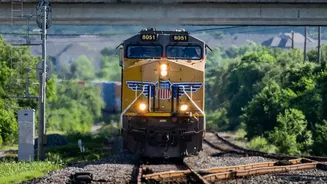
long-distance passenger services and, crucially, slow-moving goods trains. This mixed traffic has historically forced passenger trains to wait, leading to delays and worsening the already intense overcrowding, where 'super dense crush load' conditions of 14-16 people per square metre are common during peak hours. The need to separate freight from passenger traffic has long been seen as essential to improving efficiency and capacity.
Introducing the Game-Changer: The WDFC
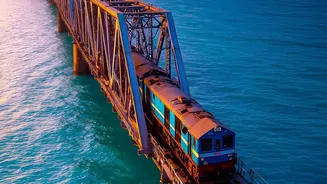
The solution is the Western Dedicated Freight Corridor (WDFC), a 1,506-km dedicated railway line for goods trains. Stretching from Dadri in Uttar Pradesh to Jawaharlal Nehru Port (JNPT) in Navi Mumbai, this project has been two decades in the making. On September 8, 2026, the final sections were inaugurated, making the entire corridor operational. This high-capacity, electrified double-line track is built specifically to handle heavier loads and double-stack container trains, which are far too large for the existing suburban lines. Its completion marks a pivotal moment for India's logistics and, by extension, Mumbai's commuters.
How Segregation Creates Space
The core benefit of the WDFC is simple: it gets goods trains off passenger tracks. By shifting freight traffic to this new, parallel corridor, valuable space is freed up on the lines that serve Mumbai's local trains. Before the DFC, freight trains operating on passenger lines moved at average speeds of just 20-25 km/h, often held at sidings to give priority to passenger services. Moving them to the WDFC, where they can travel at speeds between 60 and 100 km/h, eliminates these bottlenecks. This diversion clears the path for Indian Railways to run more suburban services, increase their frequency, and improve punctuality, directly addressing the core issues of congestion.
The Tangible Benefits for Mumbaikars
The completion of the WDFC is not just an industrial achievement; it promises direct improvements for everyday life. With freight traffic removed, Indian Railways can add more local train services to its schedule. Railway Minister Ashwini Vaishnaw has stated an aim to increase daily suburban services from the current 3,200 to around 3,500 by 2030, supported by an infusion of new-generation and air-conditioned local trains. This increased capacity means less waiting time on platforms, reduced overcrowding inside coaches, and a more reliable timetable. The ripple effect of this decongestion could lead to faster, safer, and more comfortable journeys for millions who depend on the local train network.
A Foundation for Future Growth
The WDFC is part of a larger, multi-pronged strategy to overhaul Mumbai's transport infrastructure, with projects worth over ₹18,000 crore underway for the suburban network. This includes quadrupling lines on busy sections like Virar-Dahanu, extending platforms to accommodate longer 15-coach trains, and upgrading signalling systems. The introduction of 238 new AC local rakes by 2030 is also a key component of this modernization plan. By creating a dedicated path for freight, the WDFC provides the foundational capacity increase needed for these other upgrades to have their maximum impact, ensuring the city's lifeline can support its future growth.