






The Science Behind the Sparkle
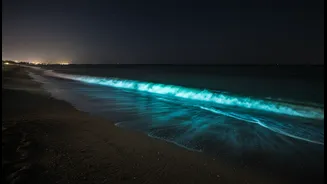
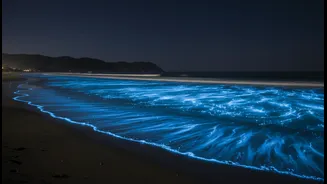
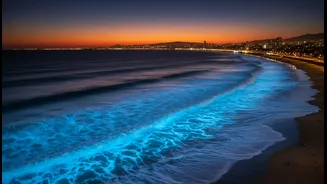
The ethereal glow, often seen at Juhu, Devgad, and other beaches along the coast, is a natural phenomenon called bioluminescence. It's created by living organisms, in this case, a type of microscopic marine plankton called Noctiluca scintillans, or 'sea
sparkle'. These tiny creatures produce light through a chemical reaction, especially when they are disturbed by waves or other movements in the water. This flash of light is believed to be a defence mechanism, startling predators. While it appears magical, the presence and concentration of these blooms tell a deeper story about the health of the ocean.
An Indicator of Change
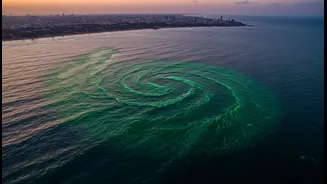
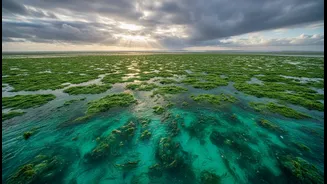
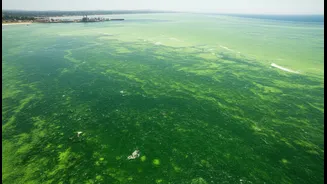
For years, the working theory was that the increasing frequency of these blooms was directly fuelled by urban pollution. The logic is straightforward: coastal cities like Mumbai release enormous amounts of sewage and nutrient-rich runoff into the sea. These nutrients, from sources like detergents, fertilisers, and untreated waste, cause a process called eutrophication. This acts like a super-fertiliser for plankton, potentially leading to massive, dense blooms of Noctiluca scintillans.
A More Complex Culprit?
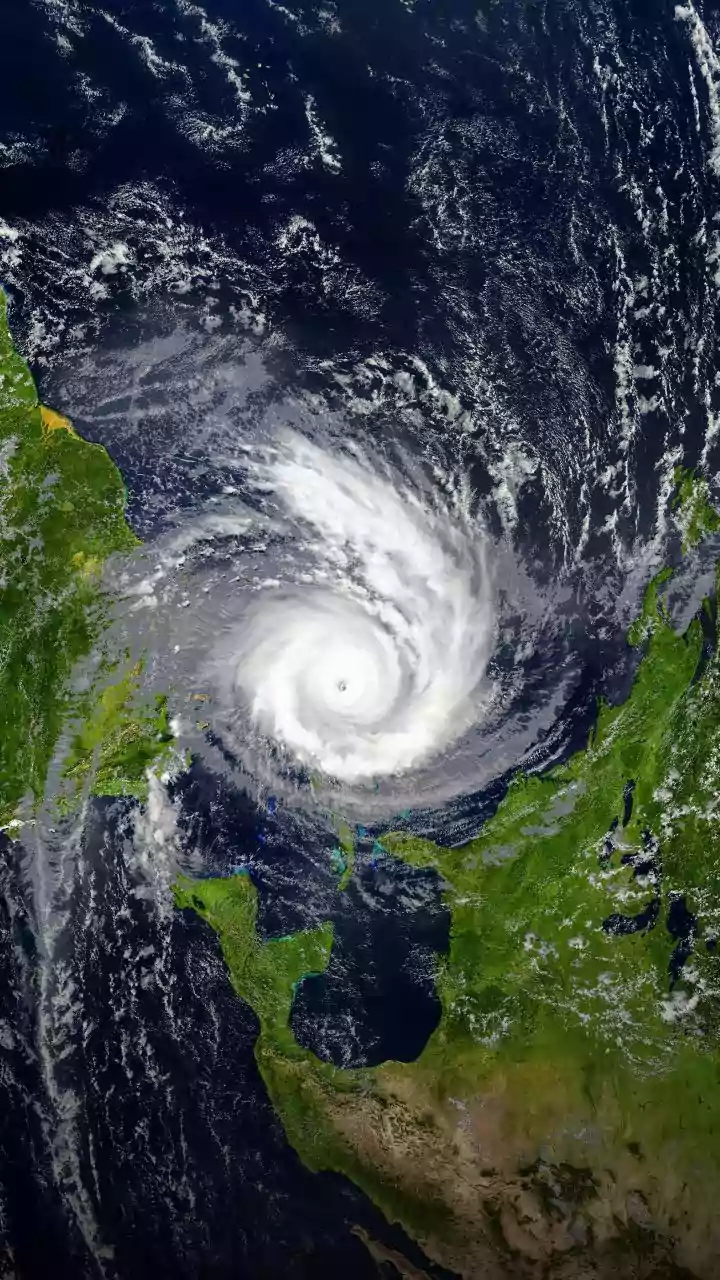
While local pollution is a significant stressor on marine ecosystems, some major scientific studies suggest a larger force at play: climate change. Research by institutions like the Indian National Center for Ocean Information Services (INCOIS) and NOAA points to the warming of the Arabian Sea. This warming increases the temperature difference between the ocean's surface and its deeper layers. This stratification makes it harder for nutrients like silicates to reach the surface, which suppresses the growth of diatoms, a type of plankton that forms the base of the traditional food web.
How Climate Change Helps Sea Sparkle
Noctiluca scintillans is a uniquely hardy organism. Unlike the diatoms that need silicates to thrive, Noctiluca can prey on other organisms, including the struggling diatoms. The warmer, less-mixed surface waters, where diatoms are disadvantaged, create a perfect opportunity for Noctiluca to take over and form massive blooms. So, while urban runoff degrades water quality, some scientists argue that the large-scale shift in plankton composition observed over decades is more strongly correlated with these climate-driven oceanic changes.
The Dark Side of the Glow
Regardless of the primary driver, the consequences of large, frequent Noctiluca blooms are concerning. These blooms are often linked to a decline in dissolved oxygen in the water. Furthermore, Noctiluca excretes ammonia, which can be toxic to fish and has been associated with mass fish die-offs in the Arabian Sea. This shift from a diatom-based food web to one dominated by Noctiluca disrupts the entire marine ecosystem, threatening the fisheries that millions of people along the coast depend on for their livelihoods.
Mumbai's Role and Responsibility
While climate change is a global issue, a city's local actions remain crucial. A significant portion of Mumbai's sewage flows into the sea with inadequate treatment, degrading the immediate coastal habitat for marine life. This pollution creates an unhygienic and stressful environment, even if it's not the primary cause of the large-scale blooms. Improving waste management and upgrading sewage treatment plants are essential steps not only for public health but also for building the resilience of the local marine environment against the broader pressures of a changing climate.