







A Shift Toward Meaningful Experiences
The modern traveller is looking for journeys that align with their personal values and lifestyle. This change, accelerated by a post-pandemic quest for well-being, has moved experiential travel from a niche interest to a mainstream demand. Instead of
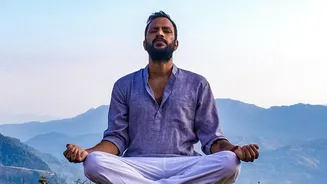
just ticking destinations off a list, people are prioritising mental and physical rejuvenation, a connection with nature, and a deeper sense of purpose. This has led to the rise of wellness retreats, eco-friendly adventures, and spiritual explorations as powerful drivers of the tourism economy. Industry reports show that travellers are now more willing to invest in these enriching experiences, signalling a fundamental change in priorities.
The Booming Wellness Economy
India is rapidly emerging as a global leader in wellness tourism, leveraging its ancient traditions of Ayurveda, yoga, and meditation. The country's wellness economy was valued at over USD 180 billion in 2024 and is growing significantly faster than the global average. Destinations like Rishikesh, Kerala, and Goa are no longer just holiday spots but hubs for rejuvenation, offering everything from luxury spa therapies to intensive yoga teacher training and Panchakarma retreats. This boom is supported by government initiatives like the e-Ayush visa, which simplifies travel for those seeking traditional treatments. Analysts project the market to grow substantially, with some forecasts predicting it could reach over USD 116 billion by 2035, reflecting a deep-seated desire for holistic health.
The Call of the Wild: Nature and Ecotourism
A growing environmental consciousness is fuelling a demand for sustainable and nature-based travel. Eco-tourism in India is evolving from a niche concept to a conscious choice, encouraging travellers to explore the country's rich biodiversity responsibly. From the tea gardens of Munnar and the forests of Coorg to the fragile ecosystems of the Himalayas, tourists are seeking destinations that are serene, scenic, and sustainable. This trend supports conservation efforts and empowers local communities through rural hospitality initiatives. Government strategies, such as the National Strategy for Ecotourism, are aiming to develop this sector further, promoting wildlife circuits and protecting ecologically sensitive areas while offering authentic experiences.
The Enduring Quest for Spirituality
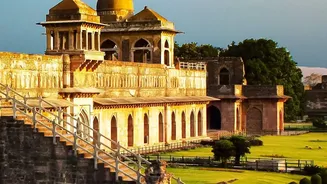
Spiritual tourism has long been a cornerstone of Indian travel, but it is also diversifying. While traditional pilgrimages to sites like Varanasi remain popular, the definition of a spiritual journey is expanding to include non-dogmatic experiences like meditation retreats and stays in ashrams that focus on inner peace and self-inquiry. The government has actively promoted this sector through schemes like PRASHAD and Swadesh Darshan, which develop infrastructure around theme-based spiritual circuits, including Buddhist, Ramayana, and Sufi routes. In 2022 alone, pilgrimage tourism generated over ₹1.34 lakh crore, with experts predicting that a majority of Indian travellers will soon seek out spiritual getaways. This reflects a collective search for meaning that transcends religious boundaries.