



Seeing Through Time and Space
When we look at distant objects in space, we are quite literally looking into the past. Light travels at a finite speed, so the light from a star cluster that is billions of light-years away has taken billions of years to reach us. We see the cluster not
as it is today, but as it was when that light began its journey. For the most ancient stellar clusters, which formed only a few hundred million years after the Big Bang, their light has been traveling for over 13 billion years. As the universe has expanded during that time, the light itself has been stretched, a phenomenon called cosmological redshift. This process shifts the light from the visible and ultraviolet spectrum into the infrared, making it invisible to the human eye and conventional telescopes.
The Infrared Advantage
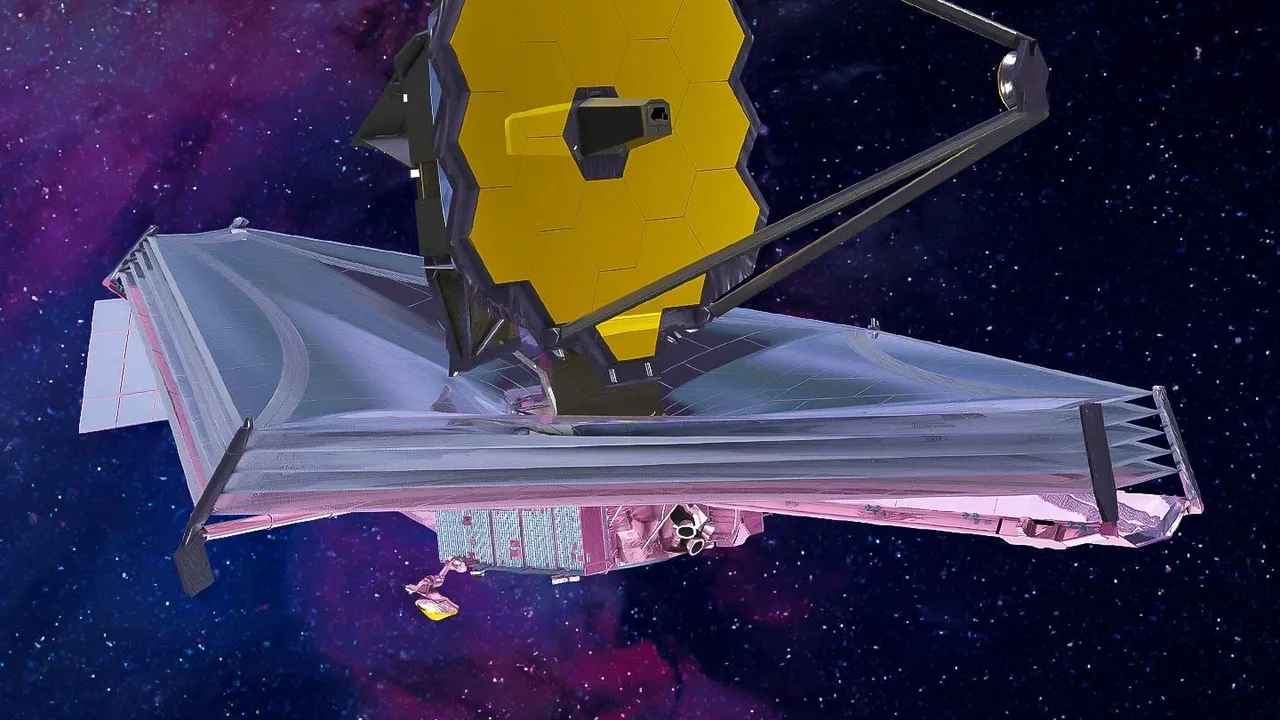
To see this ancient, redshifted light, you need a telescope that specializes in the infrared spectrum. This is where the JWST excels. Its instruments are specifically designed to detect near- and mid-infrared light. This capability not only allows it to see farther back in time than telescopes like Hubble, but it also enables it to peer through the vast clouds of cosmic dust that obscure many celestial objects, such as forming stars and galaxies. Visible light's shorter wavelengths scatter off dust particles, but the longer wavelengths of infrared light can pass through more easily, revealing the hidden universe of star formation. This is crucial for studying early stellar clusters, which are often shrouded in the very gas and dust from which they were born.
Webb's Extraordinary Eyes
The JWST is equipped with a suite of four powerful scientific instruments, each with its own specific role. For tracing the light from early stellar clusters, two are particularly important: the Near-Infrared Camera (NIRCam) and the Near-Infrared Spectrograph (NIRSpec). NIRCam is Webb’s primary imaging tool, responsible for capturing the breathtaking images of the early universe. NIRSpec, on the other hand, is a versatile spectrograph that breaks light down into its constituent wavelengths, like a prism. This allows scientists to determine the physical properties of an object, including its temperature, mass, and chemical composition. By analyzing the spectra of ancient galaxies, astronomers can identify the tell-tale signatures of different elements and understand the conditions in the early universe.
The Heart of the Machine
At the core of these instruments are highly advanced detectors, the sensors that actually convert faint infrared light into electrical signals. For its near-infrared instruments, Webb uses special detectors made of a material called mercury-cadmium-telluride (HgCdTe). These sensors, arranged in arrays of millions of pixels, are incredibly sensitive. The process begins when a photon of infrared light is absorbed by the detector material, which generates a tiny electrical charge. This charge is collected and measured by sophisticated electronics known as a Read-Out Integrated Circuit (ROIC), which converts the analog voltage into a digital signal that can be transmitted back to Earth. To achieve the required sensitivity, these detectors must be kept incredibly cold—passively cooling to around minus 236 degrees Celsius—to prevent the telescope's own heat from overwhelming the faint signals from distant space.
From Faint Light to Cosmic Discovery
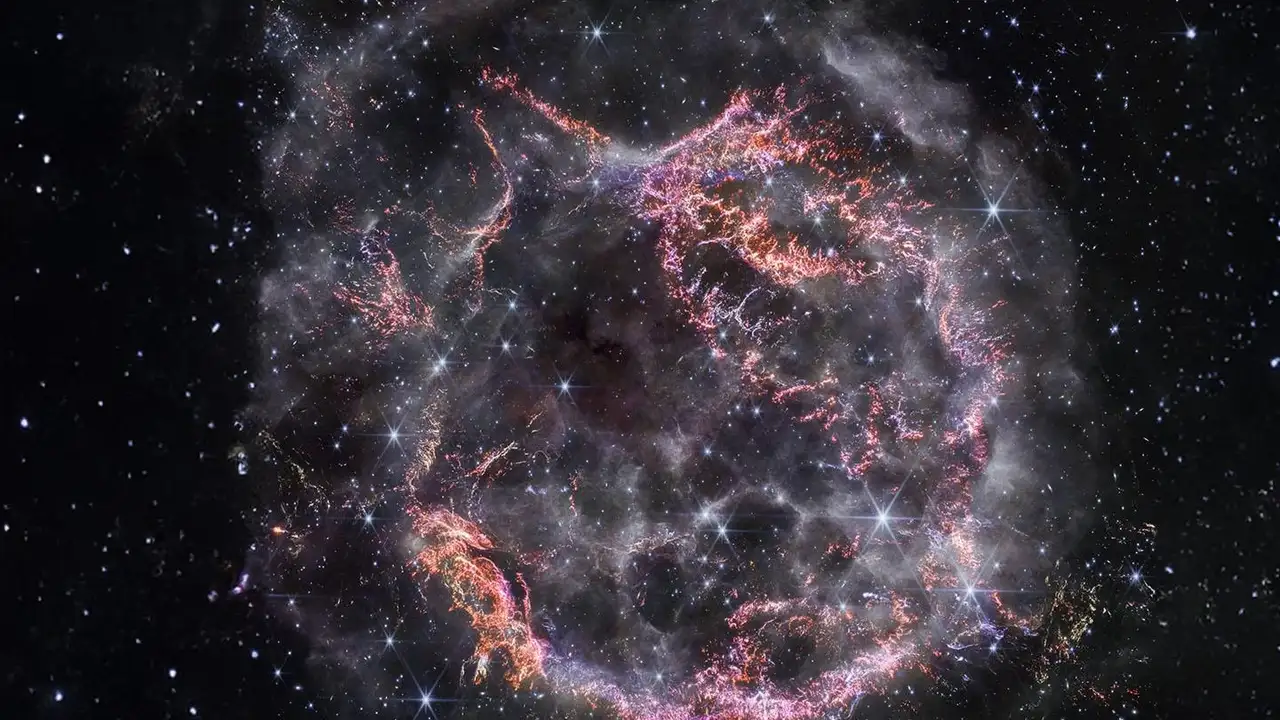
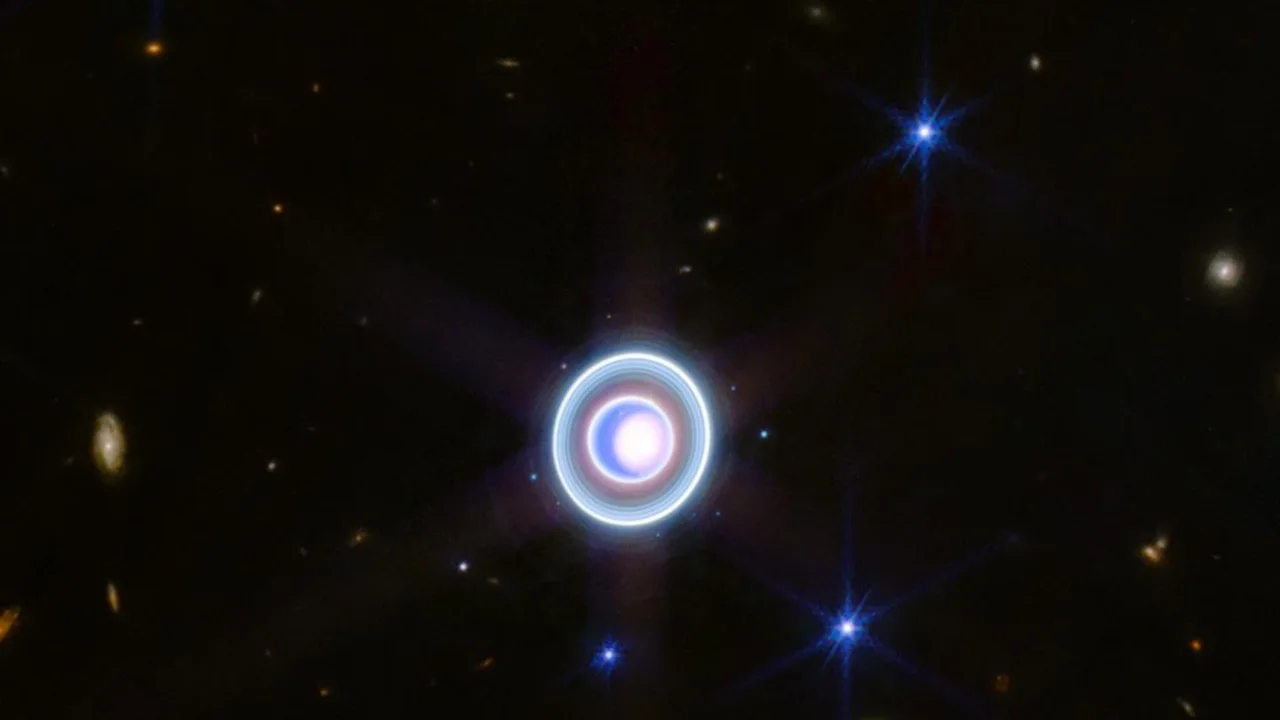
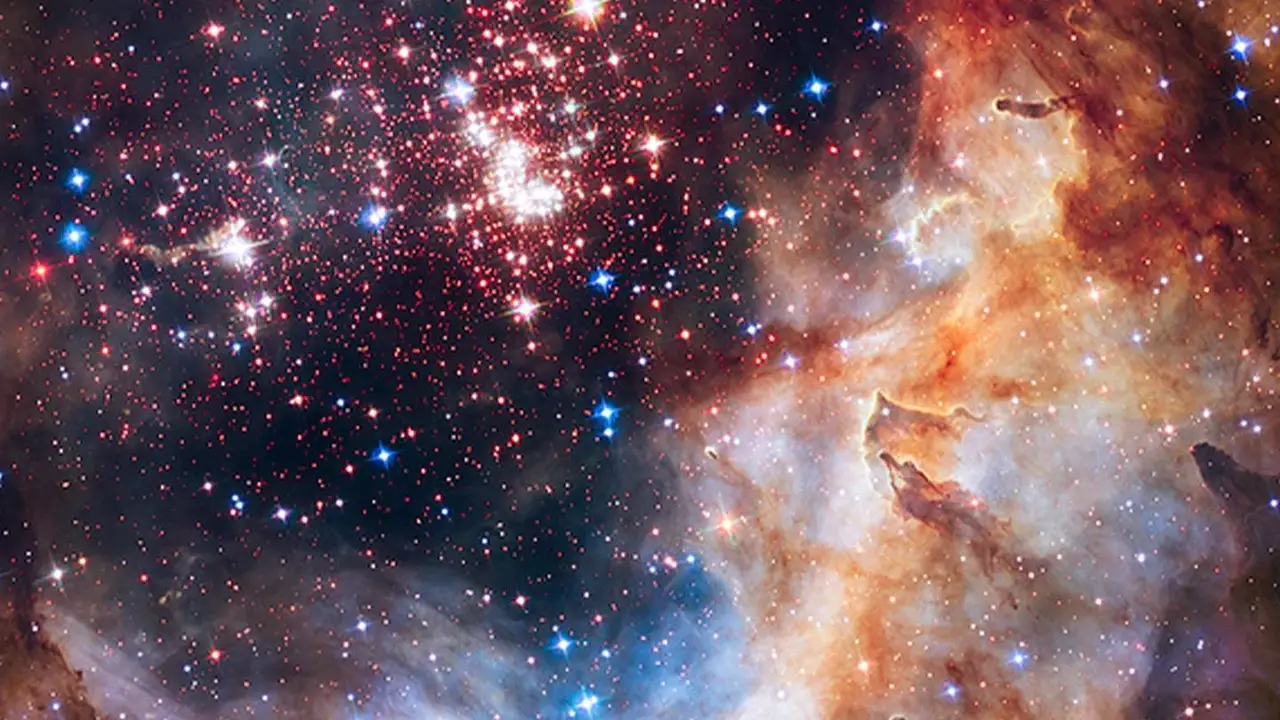
The raw data sent back from Webb is not the beautiful imagery we see online. It’s a stream of numbers representing the brightness detected by each pixel. Scientists and image processors on Earth meticulously translate this data into visual images. They assign colors from the visible spectrum (like blue, green, and red) to different infrared wavelengths, a process that helps to visualize details that would otherwise be invisible. For example, recent observations of ancient globular clusters—dense groupings of millions of stars—have been made possible by analyzing light across different infrared filters. This allows astronomers to model the clusters' properties, estimate their age, and confirm their existence in the very early universe, sometimes just 460 million years after the Big Bang. These discoveries are helping to rewrite our understanding of how the first structures in the cosmos came to be.