






A World Washed Anew
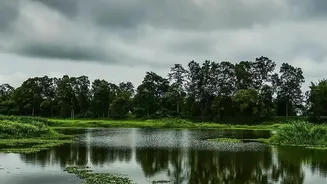
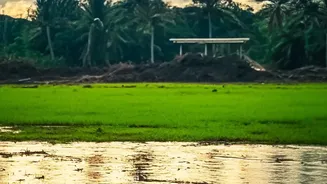
The monsoon, which typically lasts from June to September, is not merely a change in weather in Assam; it is a profound transformation. The relentless heat of summer gives way to a persistent, life-giving rain that bathes the entire landscape. Tea gardens,
the iconic symbol of the state, become a dazzling shade of emerald, their leaves glistening with raindrops. The mighty Brahmaputra river swells, its currents reflecting the moody skies. This is a time when waterfalls, hidden during drier months, suddenly burst forth from hillsides, and the air is thick with the rich scent of wet earth and blooming flora. The rhythm of life slows, inviting quiet contemplation by a window, a hot cup of Assam tea in hand, listening to the steady drumbeat of rain.
Destinations That Shine in the Rain
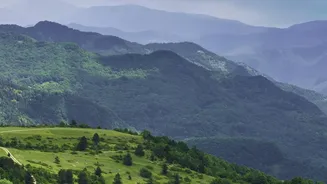
While it's true that some major attractions, most notably Kaziranga and Manas National Parks, close due to flooding, other destinations become even more magical. Majuli, the world's largest river island, takes on an ethereal quality, its monasteries and villages surrounded by the rising waters. Haflong, Assam's only recognised hill station, is at its absolute best during the monsoon, shrouded in mist and clouds that roll through the valleys. The drive through the rain-soaked Dima Hasao district is a reward in itself, with panoramic views of green hills and dramatic waterfalls like Panimoor. Even the gateway city of Guwahati offers a different charm; temples like Kamakhya feel more mystical, and a walk along the rain-swept riverfront is a soulful experience.
A Cultural and Spiritual Season
The monsoon period is also culturally significant. The famous Ambubachi Mela is held annually in June at the Kamakhya Temple in Guwahati. This major pilgrimage festival, rooted in Tantric traditions, celebrates the fertility of the goddess and Mother Earth, coinciding with the life-giving rains. It draws thousands of devotees and offers a powerful glimpse into the region's spiritual heart. Beyond festivals, the slower pace of the season provides a chance for more authentic interactions. With fewer tourists, you can experience local life more intimately, sharing stories with locals in quiet cafes and markets.
Navigating the Monsoon: A Practical Guide
Travelling during Assam's monsoon requires a spirit of adventure and practical planning. The biggest challenges are the risks of floods, particularly in low-lying areas, and potential landslides in hilly regions, which can lead to travel disruptions. It is crucial to stay informed about local weather conditions and be flexible with your itinerary. However, the rewards often outweigh the risks. This is the off-season, which means fewer crowds, more peaceful sightseeing, and often lower prices for flights and accommodation. Pack waterproof gear, sturdy footwear, and insect repellent. Be prepared for delays and embrace the unpredictability. While some areas like Pobitora Wildlife Sanctuary may remain partially accessible for safaris, always confirm operations beforehand as conditions can change rapidly.