






What Exactly is Kanji?
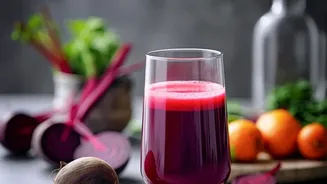
At its heart, Kanji is a traditional, naturally fermented beverage with a history stretching back generations in North Indian households. It is most famously made with black carrots, which give the drink its iconic deep purple hue, though variations with red
carrots and beetroot are also common. The recipe is deceptively simple: carrots are chopped and submerged in water with salt and coarsely ground mustard seeds. This mixture is then left to ferment in a glass or ceramic jar, traditionally placed in the sun for several days. The result is a drink with a complex flavour profile—it’s tangy, savoury, slightly pungent, and has an earthy undertone that many compare to a savoury kombucha or pickle brine. For many, it's an acquired taste, but one that’s deeply rooted in culinary heritage.
A Tradition Steeped in History
Kanji is far from a new wellness fad; it's a seasonal staple, traditionally prepared during the winter months when black carrots are in season. It's particularly associated with the spring festival of Holi, where its cooling properties provide a refreshing counterpoint to the festivities. For centuries, it has been a household remedy, a 'desi nuskha' passed down through families to aid digestion and boost immunity during the seasonal shift. It was a way of preserving the season's harvest and creating a naturally functional beverage long before the term 'probiotic' entered the mainstream lexicon. This homemade tonic was valued for keeping the body warm in winter, thanks to the heat-producing properties of mustard seeds.
The Gut Health Connection
The magic of Kanji lies in its fermentation. The process creates a thriving ecosystem of beneficial bacteria, primarily lactic acid bacteria, making it a potent natural probiotic. These live microorganisms are celebrated for their ability to support a healthy gut microbiome, which is crucial for everything from digestion to immune function. Regular consumption of probiotic-rich foods like Kanji can help balance gut flora, which may aid in reducing common digestive issues like bloating and gas. Beyond the probiotics, Kanji is packed with nutrients from its core ingredient, black carrots. These carrots are a rich source of antioxidants, particularly anthocyanins, which are responsible for their dark colour and have been studied for their anti-inflammatory properties. The drink also provides vitamins A, C, and K, as well as essential minerals.
From Household Staple to Wellness Star
So, why the sudden resurgence in Kanji's popularity? Its comeback is part of a broader global movement. As consumers become more health-conscious, there's a growing demand for natural, plant-based, and functional foods. Kanji ticks all these boxes. It’s a vegan, non-dairy probiotic drink, making it an excellent alternative for those who cannot consume yogurt-based drinks like lassi or kefir. Furthermore, there is a renewed interest in traditional and ancestral food wisdom. People are looking beyond commercially manufactured health products and turning to heritage recipes that offer both flavour and function. As a result, this once-humble homemade drink is now appearing on cafe menus and being championed by wellness influencers, celebrated as a home-grown Indian superfood.
How to Make Your Own Kanji
The beauty of Kanji is its simplicity, and making it at home is a straightforward process. You'll need about 500 grams of black or red carrots, two litres of water, two tablespoons of ground mustard seeds, and salt to taste (black salt, or 'kala namak,' adds an authentic flavour). Start by washing and peeling the carrots and cutting them into finger-length batons. Place them in a large, sterilised glass jar. Add the ground mustard seeds and salt. Pour in the water, ensuring the carrots are fully submerged. Cover the mouth of the jar with a muslin cloth and place it in a sunny spot for three to five days, stirring it once daily with a clean spoon. You'll know it's ready when the liquid turns cloudy and develops a distinct tangy, sour aroma. Once fermented, you can store it in the fridge to enjoy chilled.