
The Hearty North: Flours, Tubers, and Dairy
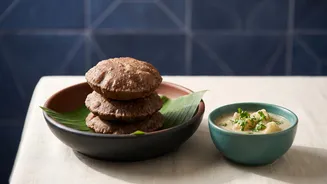
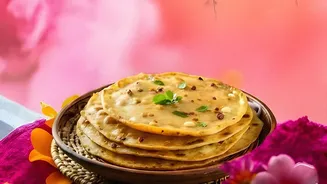
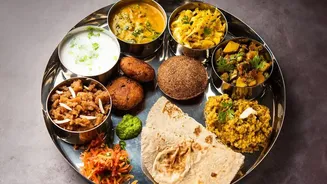
In North India, Navratri fasting is a significant observance, and the cuisine reflects the region's agricultural staples. The diet is built around ingredients that provide energy and warmth. Flours like Kuttu ka Atta (buckwheat flour) and Singhare ka Atta (water
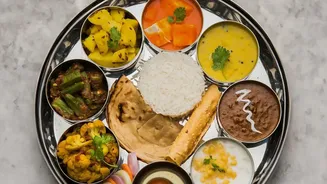
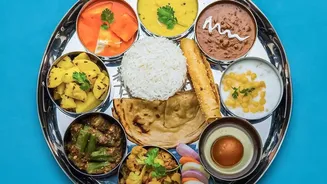
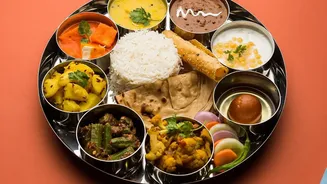
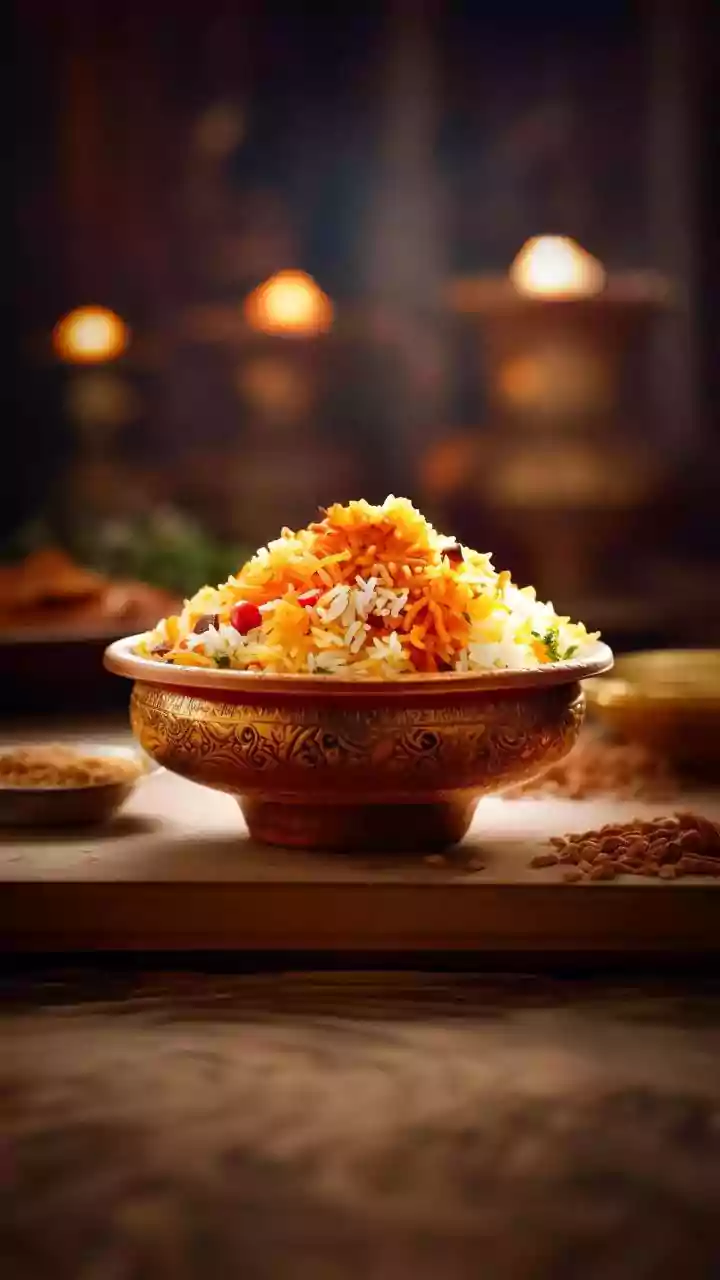
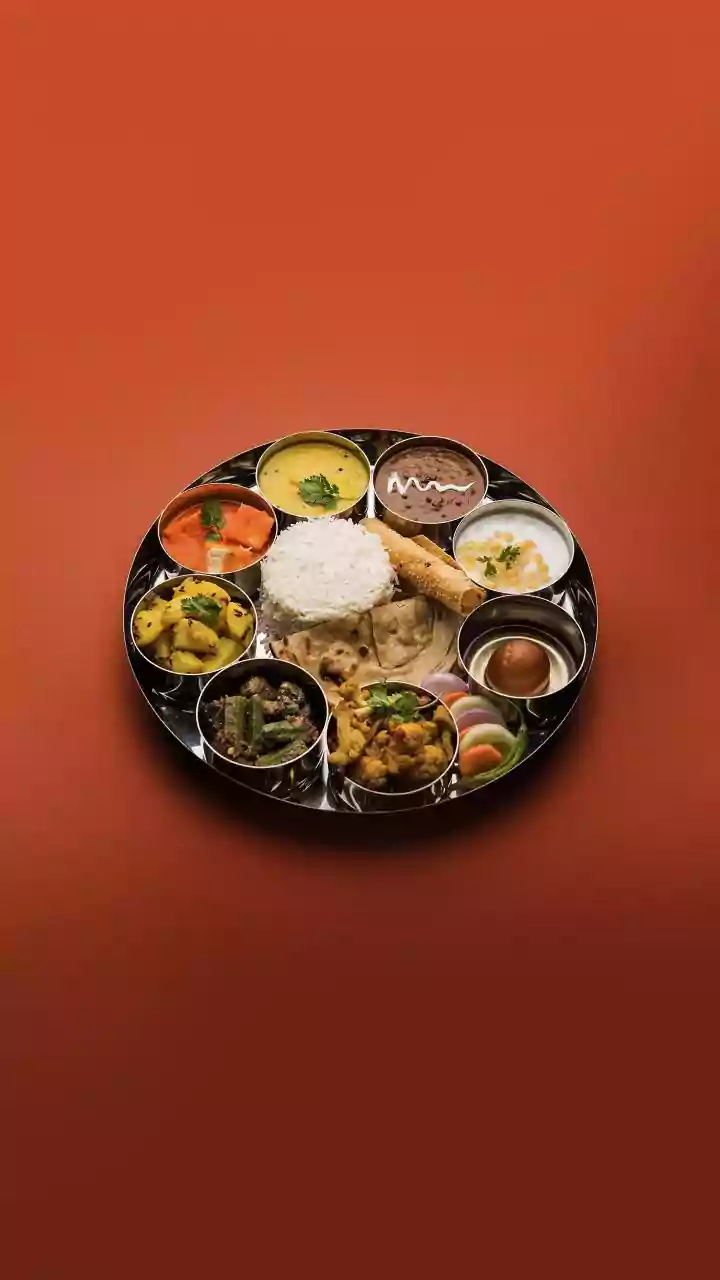
chestnut flour) become kitchen heroes. These are used to make pooris, parathas, and cheelas that are both filling and gluten-free. Another key ingredient is Samak ke Chawal, or barnyard millet, which serves as a substitute for rice in dishes like khichdi and pulao. Potatoes are a versatile favourite, appearing in simple, flavourful curries seasoned with rock salt (sendha namak), cumin, and green chillies. Dairy products like paneer, curd, and ghee are used generously, adding richness and essential fats to the diet. The overall theme is robust, satisfying food that sustains devotees through the nine days.
The Creative West: Sabudana and Peanuts Reign Supreme
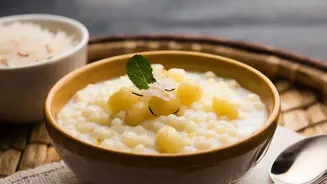
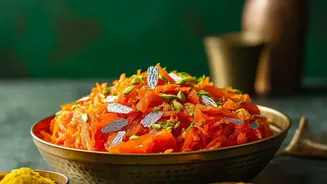
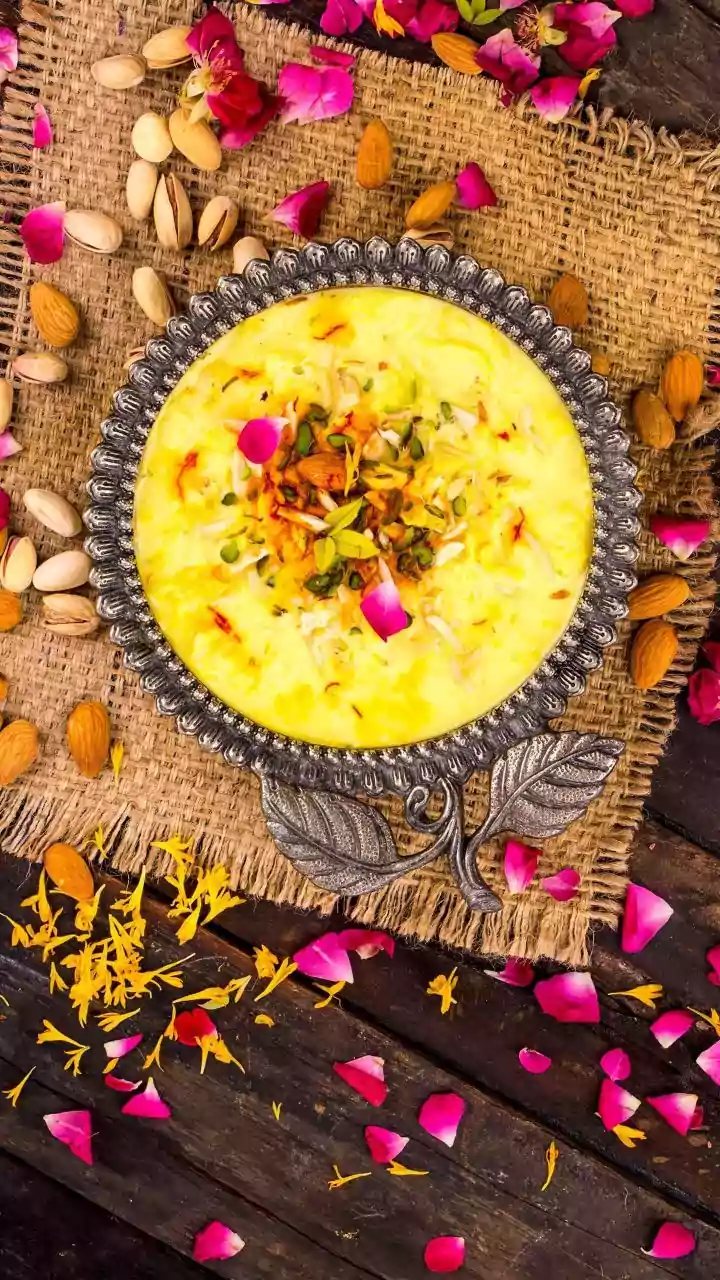
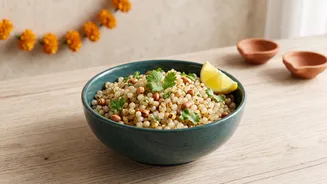
Travel to Western India, particularly Maharashtra and Gujarat, and the star of the Navratri menu is undoubtedly Sabudana (tapioca pearls). Sabudana Khichdi, a delightful mix of soaked sago pearls, roasted peanuts, potatoes, and mild spices, is a beloved fasting dish that originated in this region. The combination of soft, chewy pearls and the crunch of peanuts is iconic. Another popular creation is the Sabudana Vada, a deep-fried patty that’s crispy on the outside and soft inside, often served with a sweet yogurt dip. Amaranth flour (rajgira) is also widely used to make pooris and sheera (a sweet pudding). The liberal use of peanuts, both whole and powdered, is a distinct feature of the western region's fasting cuisine, providing protein and a nutty flavour that defines many dishes.
The Diverse South: Sundals, Sweets, and Simplicity
In Southern India, Navratri celebrations often centre around the Golu doll display, and the food traditions are different from the North. While strict grain-free fasting is less common, many households prepare food without onion and garlic as a form of observance. The quintessential Navratri offering here is Sundal, a simple and healthy dish made from legumes like chickpeas, black-eyed peas, or green gram. Each day, a different variety of Sundal is prepared, tempered with mustard seeds, curry leaves, and fresh coconut, and offered as 'prasadam' to guests. Sweet dishes like Payasam (kheer) made from millets or sago are also common. The focus is on fresh, light, and nutritious preparations that celebrate local ingredients like coconut and jaggery.
The Festive East: A Celebration of Feasting
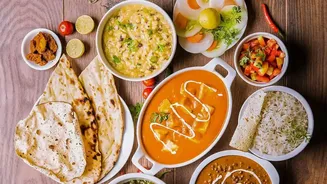
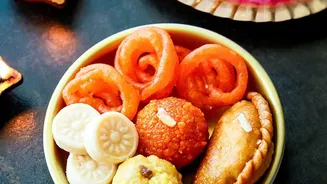
In Eastern India, especially West Bengal, Navratri coincides with the grand festival of Durga Puja. Unlike other regions, this is a time of feasting rather than fasting for most. The five days of Durga Puja are a culinary celebration. However, those who do observe fasts often follow simpler diets consisting of fruits, milk, and sweets. For the majority, puja pandals and homes are filled with the aroma of elaborate dishes. Signature delicacies like Luchi (fluffy maida pooris) and Aloo'r Dum (a flavourful potato curry, often made without onion or garlic for bhog) are staples. Sweets are non-negotiable, with Mishti Doi (sweet yogurt), Sandesh, and various other confections being central to the festive spirit. Here, the devotion is expressed through a joyous celebration of community and food.