





The Expert Secret Hiding in Your Pantry
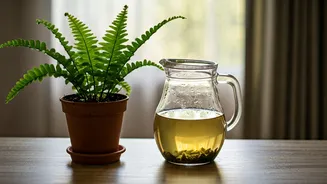
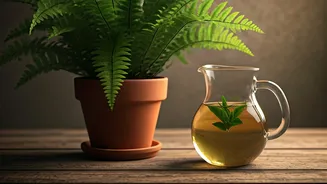
The practice involves using leftover, cooled green tea as a supplemental watering liquid for certain houseplants. Far from being an old wives’ tale, this method is grounded in the chemical properties of tea and the specific needs of acid-loving plants. Ferns,
which in their natural habitat often grow on forest floors rich in decomposing organic matter like leaves, thrive in slightly acidic soil. Watering with a weak tea solution can help replicate these preferred conditions, providing a gentle boost that plain tap water often lacks. It's an eco-friendly way to repurpose something you might otherwise discard while giving your plants a mild, beneficial treat.
The Science Behind the Sip
Green tea contains several compounds that make it a valuable, albeit mild, fertilizer. The most important are tannins, the same polyphenols that give tea its slightly astringent taste. These tannins can gently lower the soil's pH, increasing its acidity. This is crucial because a lower pH helps unlock and make available essential micronutrients like iron and manganese, which are vital for chlorophyll production—the compound that gives leaves their deep green colour. Beyond tannins, tea leaves contain a wealth of other nutrients. They are a good source of nitrogen, a primary macronutrient essential for lush, leafy growth. They also offer smaller amounts of phosphorus and potassium, completing the trio of foundational plant nutrients. This combination provides a slow, steady feeding that supports overall plant vigour without the harshness of synthetic fertilizers.
How to Prepare the Perfect Brew
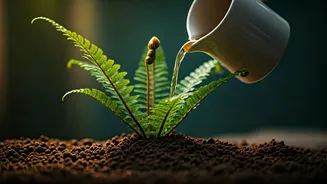
Applying this technique is simple, but following a few rules is key to ensuring you're helping, not harming, your plants. First and foremost, only use plain, unsweetened green tea. Sugar can attract pests like fungus gnats and promote mould growth, while milk introduces fats that will rot and create foul odours. Simply brew a bag of green tea as you normally would, and then let it cool completely to room temperature. Applying warm or hot liquid can shock and severely damage the plant's root system. For best results, consider diluting the tea with an equal amount of water to create a weaker solution, especially when first starting. This ensures the treatment is gentle. This cooled, diluted tea can then be used to water the fern at its base.
Best Practices and What to Avoid
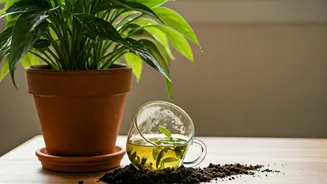
Moderation is crucial. Watering with green tea should be considered a periodic supplement, not a replacement for regular watering or a balanced fertilizer regimen. Applying it about once every two to four weeks during the growing season is a good rhythm. Overuse can lead to excessive soil acidity or a build-up of organic material that could encourage mould. If you use loose tea leaves, it’s better to compost them first or work a very small, dry amount into the top layer of soil rather than leaving a wet layer on the surface, which can also attract pests and grow mould. Always use biodegradable, staple-free tea bags if you plan to bury them in the soil or add them to a compost pile. And watch your plant's response; if you notice any negative changes, simply revert to using plain water.
Is It Just for Ferns?
While prize ferns are prime candidates, they aren't the only plants that can benefit from a tea treatment. This trick works well for a wide range of acid-loving plants. Houseplants like African violets, spider plants, and some orchids can thrive with an occasional tea watering. In the garden, plants such as roses, hydrangeas, azaleas, and rhododendrons also appreciate the gentle dose of acidity and nutrients. However, it's important to avoid using tea on plants that prefer alkaline soil, like lavender or rosemary, as the increased acidity could be counterproductive. Succulents and cacti, which are prone to root rot in overly moist conditions, should also not be given tea.