



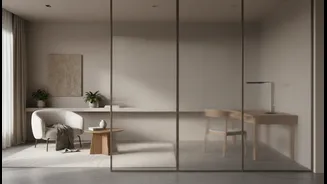


What Exactly Is Fluted Glass?
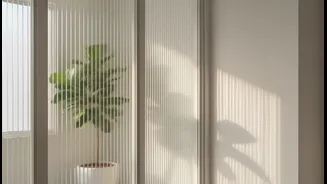
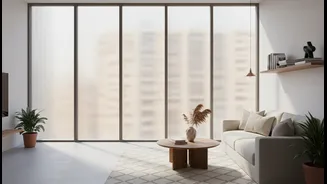
Also known as reeded or ribbed glass, fluted glass is identifiable by its distinct vertical grooves. These rounded channels are pressed into the glass during manufacturing, creating a beautiful, textured surface that plays with light and shadow. Unlike
frosted glass which has a sandblasted, foggy appearance, fluted glass offers a different kind of privacy. It distorts the view, obscuring details and creating blurred shapes rather than blocking visibility entirely. This allows it to maintain a sense of openness while still providing a degree of separation, making it a sophisticated choice for modern interiors.
Why It's a Key Trend for 2026
Fluted glass has a history stretching back to the Art Deco movement of the 1920s, but its resurgence in 2026 is driven by modern needs. As our homes continue to serve multiple functions—office, gym, and living space all in one—the need for flexible, zoned areas has become paramount. Designers are increasingly using fluted glass to create these divisions without reverting to solid walls that make spaces feel smaller and darker. The trend also aligns with a broader shift toward tactile surfaces and natural textures that add warmth and depth to minimalist designs. The elegant lines of fluted glass offer visual interest and a sense of bespoke craftsmanship that elevates any room.
Smart Ways to Divide Small Spaces
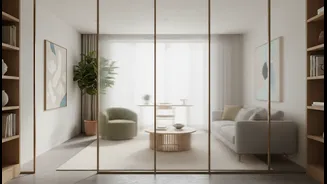
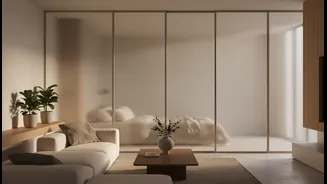
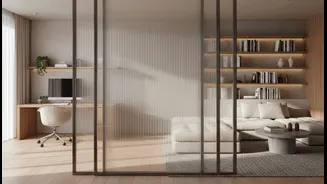
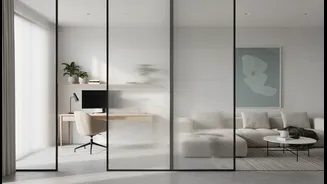
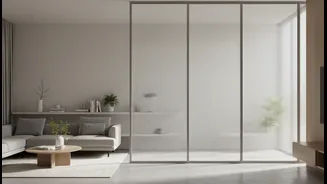
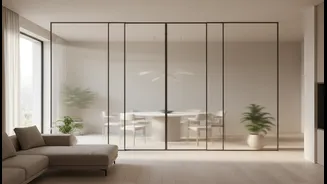
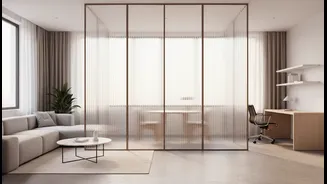
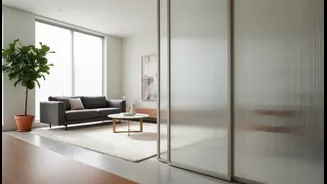
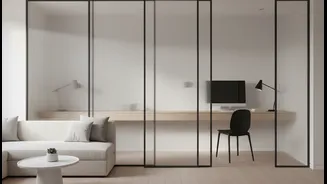
The true beauty of fluted glass lies in its versatility, especially in compact homes. One of the most popular applications is creating partitions to zone off a home office or a sleeping area in a studio apartment. A fixed or sliding fluted glass panel can establish a clear boundary while allowing shared light to flow between the spaces, preventing either area from feeling cramped or isolated. In open-plan living areas, a half-height fluted glass screen can subtly separate the kitchen from the living room, hiding some of the culinary clutter without closing off the cook from conversation. Even a simple internal door made from fluted glass can work wonders, particularly for bathrooms or pantries, where it offers privacy while borrowing light from adjacent rooms.
The Benefits Beyond Simple Division
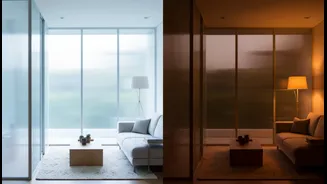
Beyond its space-dividing capabilities, fluted glass brings several other aesthetic and practical advantages. The vertical lines have an elongating effect, drawing the eye upward and creating an illusion of height in rooms with low ceilings. The way the grooves catch and diffuse light is another major benefit; it reduces glare and casts a soft, ambient glow that enhances the atmosphere of a room. Some reports also suggest it can offer minor acoustic benefits by helping to diffuse sound waves. It cleverly conceals clutter behind cabinet doors in kitchens or living rooms, keeping the space looking tidy while adding a decorative touch. Essentially, it provides privacy without the penalty of darkness.
What to Consider Before Installing
While fluted glass is a stunning addition, there are a few practical points to consider. It is generally more expensive than standard clear or frosted glass due to the manufacturing process. While many find it easy to maintain because the texture helps hide minor smudges and fingerprints, the grooves can trap dirt or soap scum over time, requiring a bit more attention than a perfectly flat surface. For safety, especially in high-traffic areas or bathrooms, it's crucial to use tempered or laminated glass. Installation is typically best left to professionals to ensure a secure and perfect fit. Despite these considerations, its functional elegance makes it a worthwhile investment for those looking to maximize both style and utility in a smaller home.