


The Technique: Transmission Spectroscopy
The primary method used by astronomers is called transmission spectroscopy. Imagine a planet passing in front of its star from our point of view—an event called a 'transit'. As the planet crosses, a tiny fraction of the starlight filters through the planet’s
atmosphere before reaching the telescope. Different gases in that atmosphere absorb specific colours, or wavelengths, of light. By looking at which colours are missing from the starlight after it has passed through the atmosphere, astronomers can determine exactly which molecules are present. It’s like a chemical fingerprint left on the light itself.
Webb’s Superpower: Seeing in Infrared
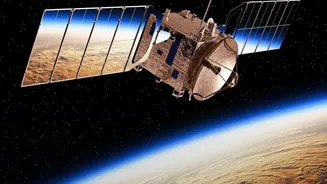
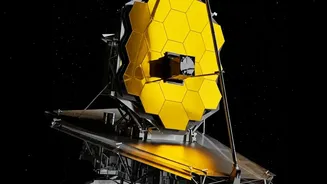
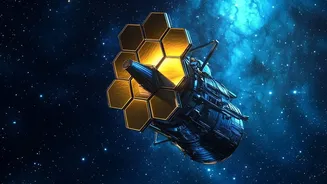
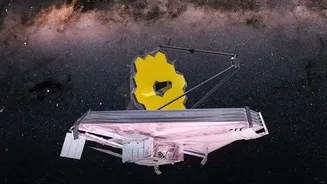
This is where the James Webb Space Telescope (JWST) truly shines. Unlike its predecessor, the Hubble Space Telescope, which primarily observes visible light, Webb is a master of the infrared spectrum. Many of the most interesting molecules—including water, methane, and carbon dioxide—leave their most distinct fingerprints in infrared light. Webb’s powerful and sensitive spectrographs can capture this light with incredible precision, picking up on faint signals that were previously undetectable. This capability allows it to probe the atmospheres of everything from massive gas giants to smaller, rocky worlds.
The Chemical Clues Astronomers Hunt For
When Webb analyzes an exoplanet's atmosphere, scientists are looking for a specific menu of molecules. The detection of carbon dioxide in the atmosphere of the gas giant WASP-39b was a landmark discovery, proving Webb's ability to find key gases. Similarly, clear signs of water vapour were found on WASP-96b. On another planet, K2-18 b, Webb detected both methane and carbon dioxide. These molecules are fascinating because they are fundamental to our understanding of a planet’s environment and composition. The presence of certain combinations of gases can point towards geological activity or even the potential for a planet to support life.
The Search for Biosignatures
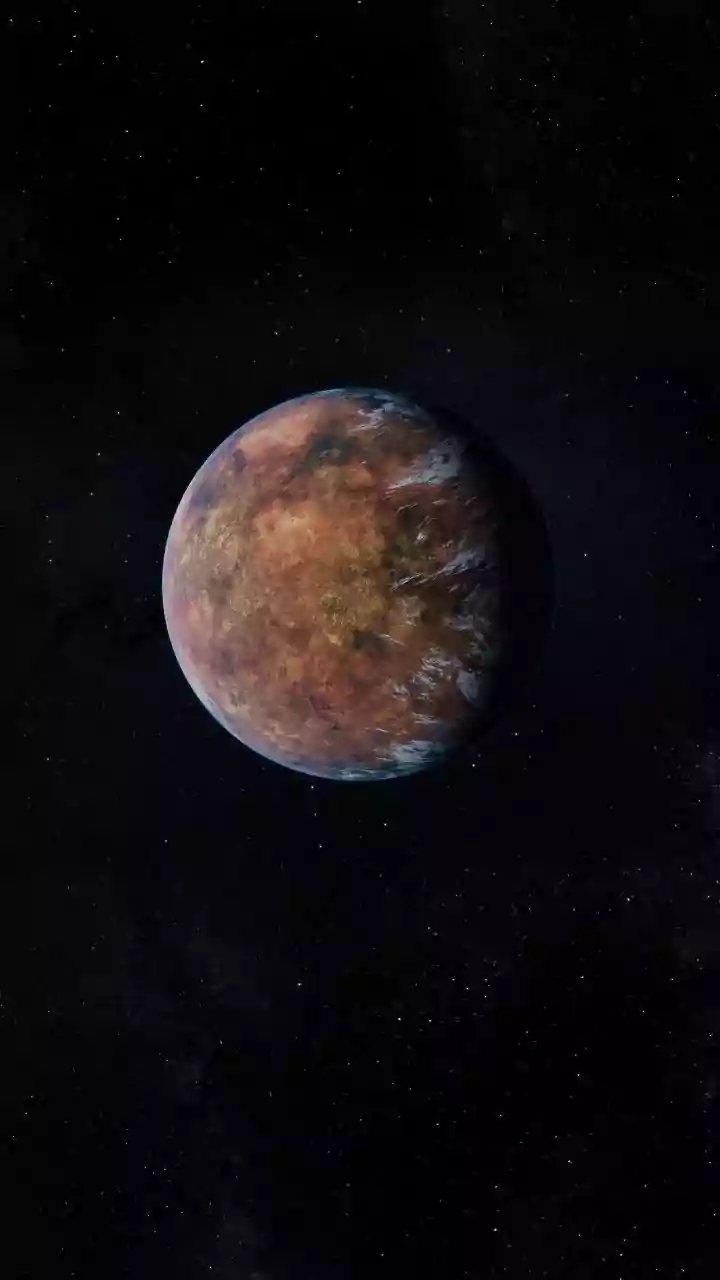
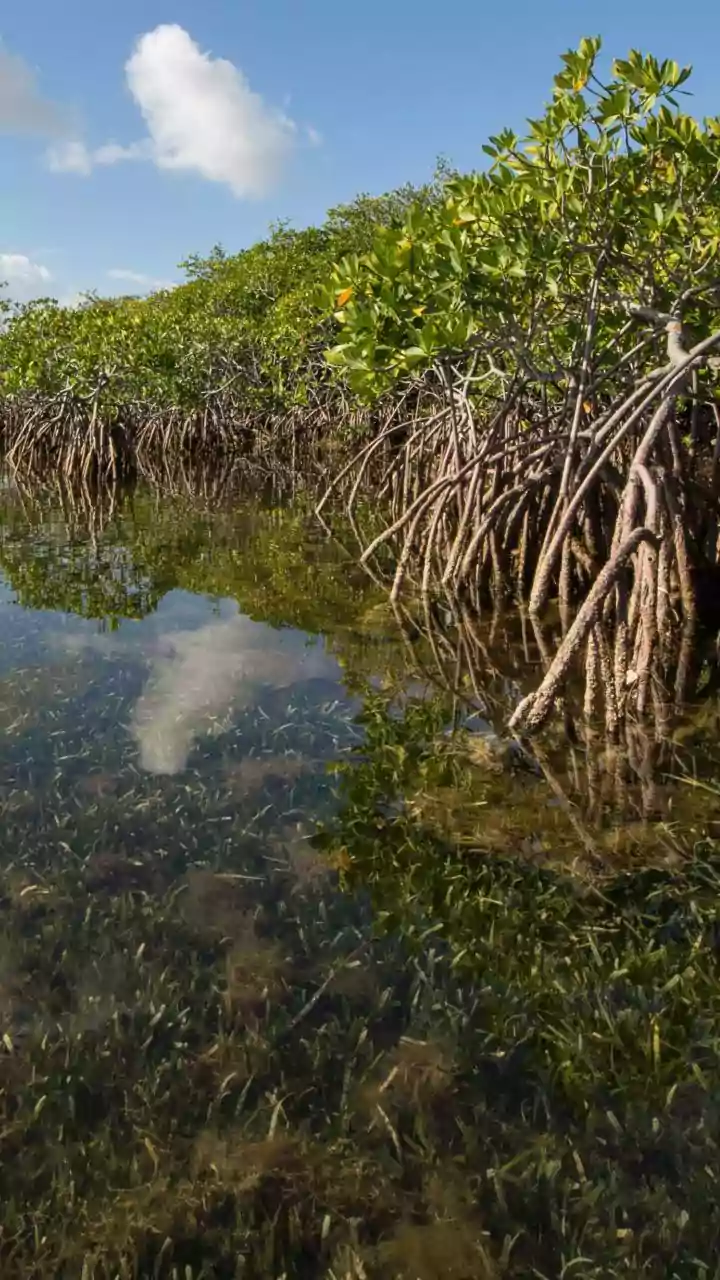
The ultimate goal for many is to find 'biosignatures'—gases that, when found together, are difficult to explain without a biological origin. For example, on Earth, dimethyl sulfide (DMS) is a gas produced almost exclusively by marine life. Astronomers using Webb have found hints of this very molecule in the atmosphere of K2-18b, a potential 'Hycean' world, which is a theorised type of planet covered by a water ocean with a hydrogen-rich atmosphere. While this is not yet a definitive proof of life, as unknown geological or chemical processes could be at play, it marks one of the most promising leads to date. Scientists are cautious, but the data shows the telescope is capable of detecting these key molecules if they are there.
Beyond Just Gases: Building a Weather Map
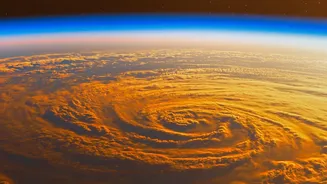
Atmospheric data does more than just list chemicals. By observing a planet at different points in its orbit, a technique known as a phase curve, astronomers can build a basic 'weather map'. For tidally locked planets that always show the same face to their star, Webb can measure temperature differences between the permanent day and night sides. These measurements reveal information about atmospheric circulation and how heat is distributed across the planet, hinting at the presence of powerful winds. Such data helps build a more complete picture of what these distant worlds are truly like, moving them from simple points of light to dynamic, complex systems.