

The Case for the Detour
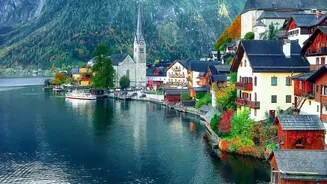
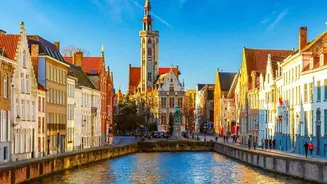
The allure of Europe's blockbuster cities is undeniable. They are the epicentres of history, art, and energy. Yet, the experience can sometimes feel overwhelming, crowded, and expensive. This is where smaller destinations offer a powerful counterbalance.
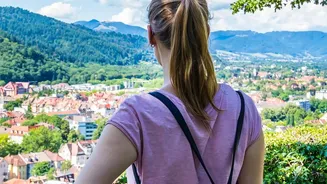
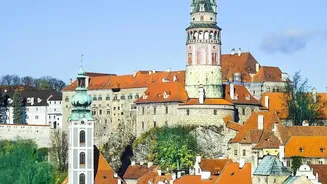
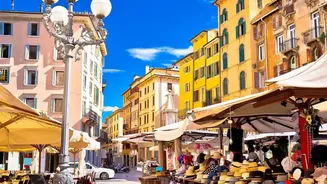
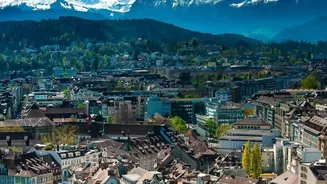
Venturing off the main tourist circuit provides a more intimate glimpse into local life, often at a gentler pace and a lower cost. You trade long queues for quiet cobblestone streets and bustling subways for scenic countryside walks. The food is often more regional, the interactions more personal, and the overall experience more authentic. It’s about adding depth and texture to your journey, creating memories that go beyond the famous landmarks.
Strategy 1: The Hub-and-Spoke Model
One of the easiest ways to incorporate smaller towns is by using a major city as your base. The 'hub-and-spoke' approach allows you to enjoy the convenience of a large urban centre while taking day trips to surrounding villages and countryside. Europe's extensive and efficient train network makes this incredibly feasible. For example, you can base yourself in Florence and take short train rides to explore Tuscan hill towns like Siena or San Gimignano. Similarly, from Munich, the charming Bavarian towns of Garmisch-Partenkirchen or Füssen are just a journey away. This method provides the best of both worlds: the vibrant cultural life of the city in the evenings and the serene beauty of the region during the day, all without the hassle of constantly packing and unpacking.
Strategy 2: The Scenic Interlude
When planning travel between two major cities, the default option is often the fastest one—a quick flight or a high-speed train. However, this transit time represents a missed opportunity. Instead of rushing from Point A to Point B, consider turning the journey itself into a mini-adventure. Research the train route and identify an appealing small town located roughly halfway. Book a one or two-night stay there. For instance, when travelling from Paris to Barcelona, you could stop in the picturesque French town of Collioure. This breaks up a long travel day, introduces you to a new region, and transforms a logistical necessity into a memorable part of your holiday. It’s the core principle of 'slow travel' put into practice.
Strategy 3: The Regional Immersion
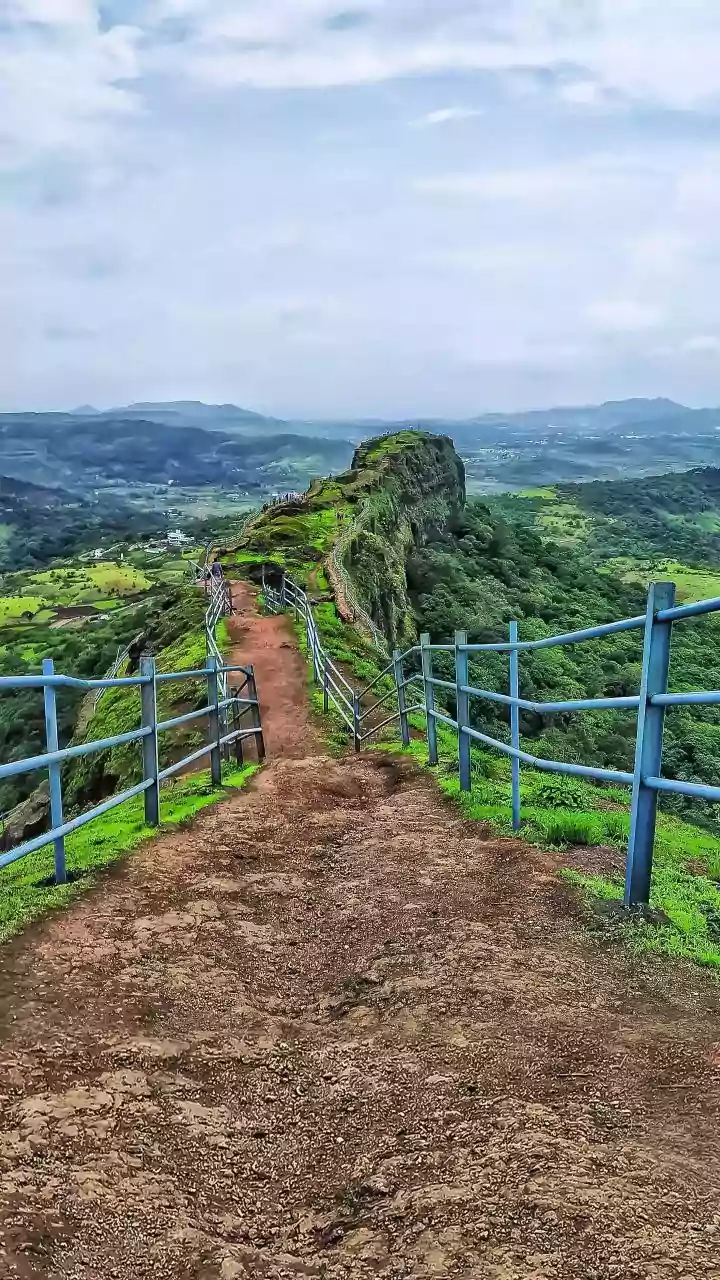
For travellers with a bit more time, dedicating a specific portion of the trip to one rural region can be incredibly rewarding. This approach usually involves renting a car to have the freedom to explore at your own pace. You could spend three to five days driving through France's Provence region, staying in different villages, visiting local markets, and dining at farm-to-table restaurants. Other classic examples include exploring the Cotswolds in England or the Amalfi Coast in Italy (though you might swap a car for a ferry here). This immersive strategy allows you to connect deeply with a specific local culture, landscape, and way of life, providing a rich contrast to the fast-paced energy of your city stays.
Logistics and Mindset
Planning for smaller destinations requires a slightly different approach. While major cities have endless accommodation options, charming small towns may have only a few boutique hotels or bed-and-breakfasts, so booking in advance is wise. For transportation, a Eurail pass might be great for major routes, but be sure to check the connectivity for smaller regional lines; sometimes local buses or a rental car are better options. Most importantly, adjust your mindset. The goal in a small town isn't to see a list of sights, but to simply be there. Sit at a cafe, wander without a map, and embrace a slower, more spontaneous style of travel. That is where the magic truly lies.