




1. Choose Your Destination Wisely
Not all destinations are created equal during the monsoon. While some places blossom, others become risky and expensive. Hill stations in the Himalayas, for example, face a higher risk of landslides, which can lead to road closures, forcing you to pay
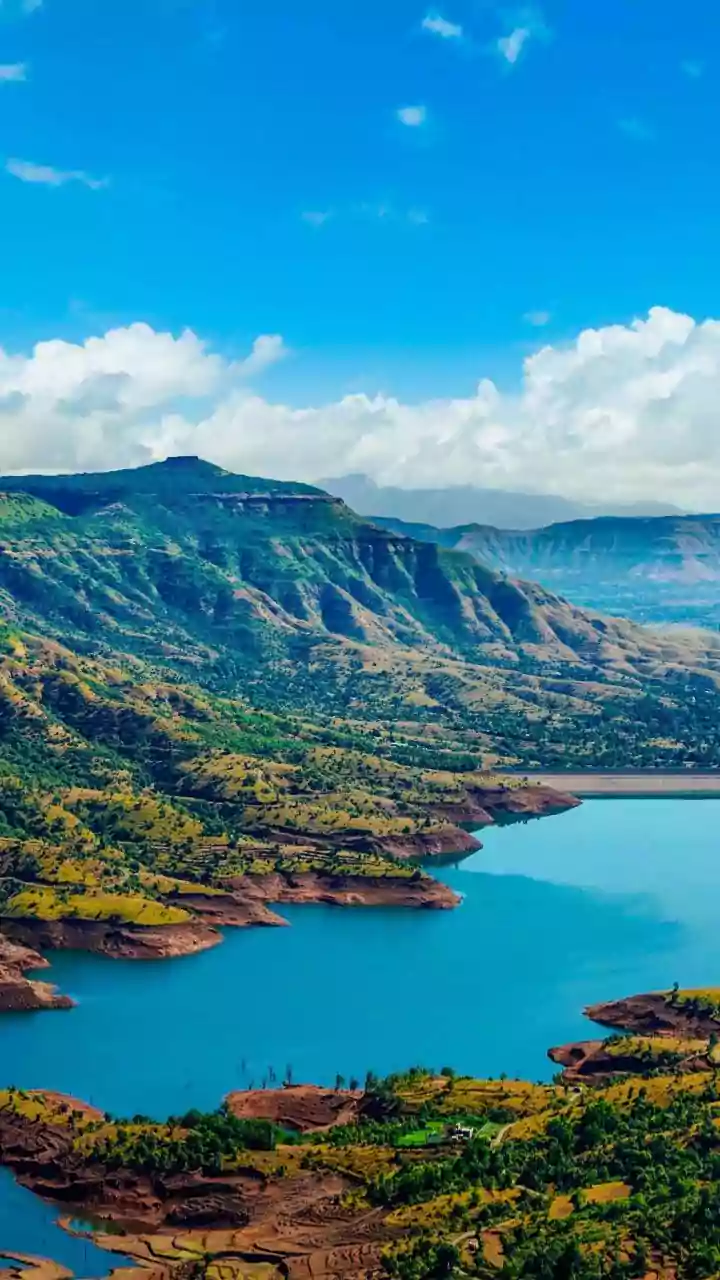
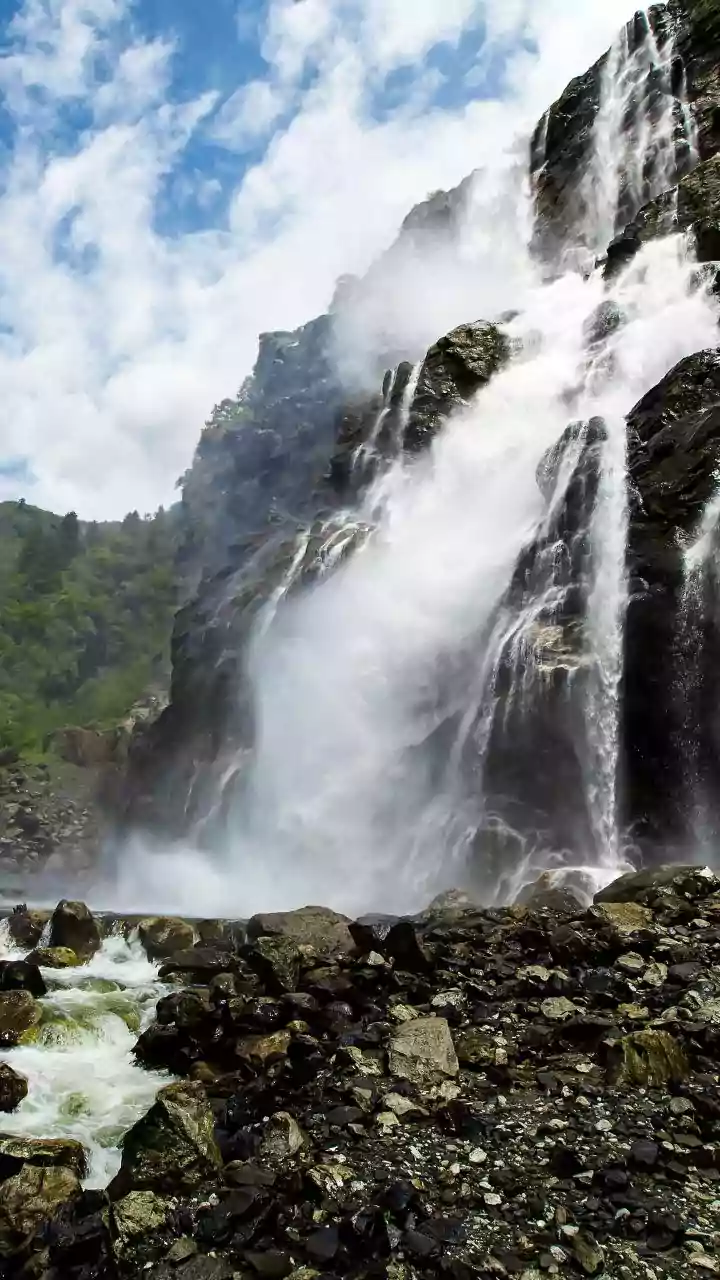
for extended stays or alternative, costlier transportation. Regions like parts of Arunachal Pradesh can become difficult to access, with roads blocked for days. Instead, consider destinations where the monsoon enhances the beauty without adding significant risk, such as the Western Ghats or parts of Rajasthan. Many popular spots are in their off-season, which means you can find great deals on hotels and activities, sometimes at nearly half the price. Researching district-level weather alerts from the IMD before booking can save you from getting stuck in a place under a red or orange alert for heavy rainfall.
2. Get Travel Insurance That Covers Monsoon Mayhem
Standard travel insurance might not cover everything the monsoon throws at you. It is crucial to get a policy that specifically includes coverage for disruptions caused by natural events like floods, cyclones, and landslides. This type of insurance can reimburse you for non-refundable expenses like flights and hotel bookings if your trip is cancelled or interrupted due to severe weather. Given that flights can be delayed or cancelled due to waterlogging on runways or severe thunderstorms, especially at major airports like Mumbai, having this protection is vital. Furthermore, should an injury occur, a good policy will cover emergency medical expenses and even evacuation if local facilities are inadequate. Always purchase your insurance before the trip begins and before a weather event is officially forecast, as you cannot get coverage for a storm that is already a known threat.
3. Pack Smart to Prevent Pointless Purchases
Forgetting essential monsoon gear often leads to buying overpriced items at tourist destinations. A smart packing list is your first line of defense against unplanned spending. Ensure you have a reliable waterproof jacket, quick-drying clothes, and waterproof footwear to navigate wet and slippery paths safely. Packing waterproof bags or dry sacks for your electronics and important documents is also essential. Health-related costs can also crop up unexpectedly during this season, as illnesses like viral fever, dengue, and malaria are more common. Carrying a basic first-aid kit with common medicines, insect repellent, and any personal prescriptions can prevent costly visits to a clinic for minor issues. Having these items on hand means you won't be forced to spend extra money on things you already own but left at home.
4. Build a Buffer into Your Itinerary and Budget
The monsoon does not run on a tight schedule, and neither should your travel plans. Delays are common, whether it's a flight held up by thunderstorms or a road trip slowed by heavy rain and poor visibility. Trying to stick to a rigid itinerary can become stressful and expensive. If a delay causes you to miss a connecting train or a pre-booked hotel night, you’ll be paying for new arrangements out of pocket. To avoid this, build extra time into your travel days. Think of it as slow travel—start early, don't rush, and be prepared to pause your journey if conditions are unsafe. Financially, it is wise to keep a buffer in your budget for these potential hiccups. This extra cash can cover an unexpected night's accommodation, a last-minute taxi, or other costs that arise from weather-related disruptions without causing financial stress.
5. Pre-Book Flexibly and Always Reconfirm
While the monsoon is often considered the off-season with lower prices, last-minute planning can still backfire. Booking your transport, especially trains and buses, in advance can secure lower fares and ensure you have a comfortable seat. However, the key is to book with flexibility. Opt for hotels and flights that offer flexible cancellation or rescheduling policies, even if they cost slightly more. This protects you if a sudden weather warning forces you to change your plans. Before you set off for the airport or station, always reconfirm your bookings. Airlines often issue advisories during heavy rain, and it's better to know about a cancellation from home than at a crowded terminal. Similarly, call your hotel to confirm your booking and check if the property is accessible, especially if it's in a remote or hilly area. This small step can prevent you from arriving at a closed hotel or a flood-affected area.