

The Search for Something Real
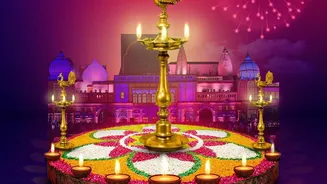
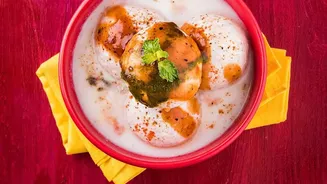
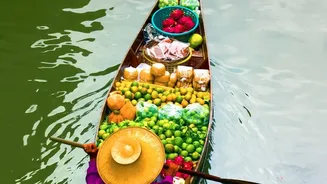
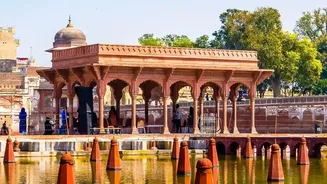
In an increasingly globalised world, travellers are showing a growing fatigue with generic, one-size-fits-all tourism. The modern holidaymaker is on a quest for authenticity, a desire to connect with a place on a deeper, more meaningful level. Food and
festivals serve as a direct gateway to the heart of a local culture. A 2023 travel report noted that an overwhelming 75% of travellers are actively seeking authentic experiences that represent the local way of life. Sharing a meal, learning a traditional recipe, or joining in a local celebration offers an unfiltered glimpse into a community's heritage and daily life. It's a shift from being a passive observer to an active participant. This trend is particularly strong among Millennial and Gen Z travellers, who consistently prioritise cultural immersion and experiencing local cuisine over other activities.
A Feast for the Senses (and Socials)
It’s impossible to ignore the role of social media in shaping modern desires. The vibrant colours of a music festival or the artful presentation of a unique dish are tailor-made for platforms like Instagram and TikTok. Travel inspiration is now heavily driven by user-generated content, with some studies showing social media has a greater influence on destination choice than even recommendations from family and friends. The 'travel' hashtag on TikTok, for instance, has billions of views, creating a powerful visual catalogue of potential experiences. This visual appeal turns food and festivals into highly 'grammable' moments, motivating others to seek out similar experiences to share. While this can sometimes lead to overcrowded 'viral' spots, it has undeniably placed culinary and cultural events at the forefront of travel planning.
More Than a Meal, It's a Connection
At its core, both food and festivity are about community. Festivals create temporary, vibrant communities where people from all walks of life can bond over a shared interest, be it music, art, or tradition. They foster a sense of belonging and shared joy that is often missing in routine daily life. Similarly, food is a universal language. From bustling street food tours to intimate cooking classes, culinary activities are inherently social. They break down barriers and create connections, whether it’s with a local chef sharing a family recipe or with fellow travellers on a food walk. This desire for connection is a powerful motivator, transforming a simple holiday into a chance to forge lasting memories and relationships.
The Rise of the Culinary Destination
This shift in traveller behaviour has not gone unnoticed by the tourism industry. Destinations are now strategically marketing themselves based on their culinary strengths. Cities and even entire regions are becoming known as 'foodie hotspots,' building their brand around their unique gastronomic offerings. The culinary tourism market is experiencing explosive growth, with some forecasts predicting it will become a multi-trillion dollar industry globally by 2035. In India, this trend is particularly pronounced. The Indian culinary tourism market is projected to expand significantly, with experts noting a surge in travellers venturing across the country specifically to explore regional cuisines and food culture. From food walks in bustling cities to culinary trails through spice plantations, these experiences are now a central pillar of tourism promotion.
Planning for Palates and Parties
Building an itinerary around food and festivals requires a different approach. Travellers are increasingly turning to specialised blogs, social media influencers, and dedicated festival calendars to plan their journeys. They might schedule a trip to Spain to coincide with the Tomatina festival or plan a tour through North India based on its street food reputation. This type of travel is less about rigid schedules and more about embracing spontaneous, experience-led adventures. Activities like cooking classes, food and beverage tours, and visits to local markets are now staples in these itineraries. As a result, travel is becoming more personal and passion-driven, curated around individual tastes and interests rather than a generic checklist of sights.