




Why Your Winter Cream Won't Cut It
As the season changes, so do your skin's needs. During dry winter months, rich, creamy moisturisers are essential for creating a protective barrier against cold, harsh air that saps moisture. [22] Come monsoon, the environment flips. The air becomes saturated
with moisture, and this high humidity signals your skin to produce more sweat and oil (sebum). [2, 6, 17] When you apply a thick, oil-based cream in this climate, it can trap this excess sweat and oil, leading to clogged pores, a greasy finish, and potential acne breakouts. [11] Dermatologists note that while your core skin type doesn't change, the humid conditions can make it feel much more congested and prone to bacterial or fungal issues. [3, 11, 14]
The Ideal Swap: Lightweight Gel and Water-Based Formulas
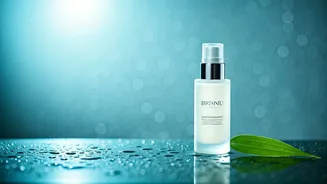
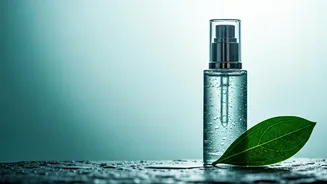
The solution is to switch to a lighter formulation. Gel and water-based moisturisers are perfect for the rainy season. [8, 13] Unlike heavy creams, these products are designed to provide hydration without adding extra oil or weight. [22, 23] Their lightweight texture absorbs quickly, leaving your skin feeling fresh and cool rather than sticky or greasy. [24] Many people mistakenly believe they can skip moisturiser altogether in humid weather, but this can backfire. Dehydrated skin may overcompensate by producing even more oil. [8, 24] A lightweight moisturiser maintains your skin's hydration balance, which is crucial for a healthy skin barrier, even when the air is moist. [6, 17]
Key Ingredients for Happy Monsoon Skin
When shopping for a monsoon-friendly moisturiser, look for non-comedogenic formulas, which are specifically designed not to clog pores. [5, 9, 17] Certain ingredients are particularly beneficial in high humidity: * **Hyaluronic Acid:** This powerhouse humectant draws moisture from the air into your skin, providing intense hydration without any heaviness. It's like a big drink of water for your skin. [6, 12, 18] * **Niacinamide:** A multi-tasking hero, niacinamide helps regulate oil production, calm inflammation, and improve the appearance of pores, making it ideal for the challenges of humid weather. [8, 12, 20] * **Glycerin:** Another effective humectant that helps hydrate the skin and is found in many lightweight formulas. [7, 8] * **Ceramides:** These lipids help restore and maintain the skin's natural barrier, which can be disrupted by environmental changes during the monsoon. [2, 6] * **Green Tea, Aloe Vera, and Cucumber:** Botanical extracts like these are often found in gel moisturisers for their soothing and cooling properties, which can calm irritated skin. [18, 22]
What to Avoid and How to Apply
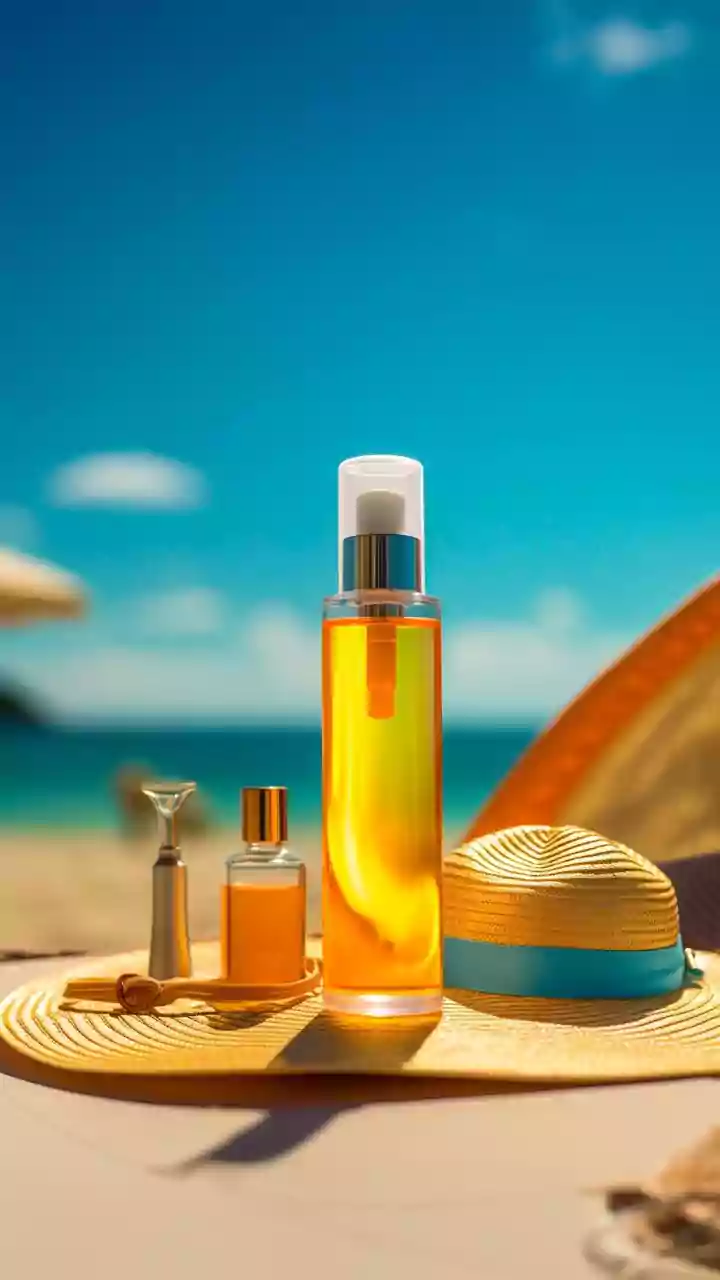
Just as important as what to look for is what to avoid. Steer clear of heavy, occlusive ingredients like thick oils and rich butters that can feel suffocating in humid weather. [7, 12] While a non-comedogenic product is a great start, always patch-test a new moisturiser, as skin can be more reactive during seasonal transitions. [4] For the best results, apply your lightweight moisturiser to slightly damp skin, for instance, right after cleansing. This technique helps the product absorb more effectively and locks in hydration without leaving a heavy residue. [7, 14] And remember, even on cloudy monsoon days, UV rays can damage your skin, so don't forget to layer a lightweight, non-greasy sunscreen with at least SPF 30 over your moisturiser. [4, 6, 15]