




Embrace the 'Buy Small, Buy Often' Mentality
The single most important shift in monsoon grocery habits is moving away from large, bulk purchases of fresh items. High humidity accelerates spoilage, and that week's worth of vegetables can wilt or rot in just a few days. Instead, plan for more frequent
trips to the market every two to three days. This strategy is especially crucial for delicate items like leafy greens, mushrooms, and berries. While it might seem like more effort, this approach drastically reduces food waste and ensures you are always cooking with the freshest ingredients. It also allows you to inspect produce closely before buying, a key step in avoiding items that are already on the verge of turning.
Prioritise Whole Produce Over Pre-Cut
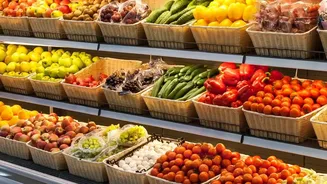
Convenience is tempting, but pre-cut fruits and vegetables are a risky choice during the monsoon. The increased surface area on cut produce exposes it to more moisture and bacteria, leading to faster decay. Buying whole vegetables and fruits is a safer bet. When selecting produce, look for items that are firm, brightly coloured, and free of bruises, soft spots, or visible mould. For root vegetables like onions and potatoes, ensure their outer skin is dry and intact. Always wash and thoroughly dry your produce before storing it to minimise moisture, a key factor in rot and mould growth.
Navigate the Leafy Greens Dilemma
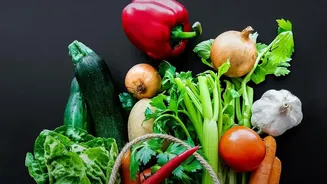
Leafy greens like spinach, coriander, and lettuce are particularly vulnerable to the damp monsoon air. They can quickly become slimy and develop mould. It is best to buy these in very small quantities that you intend to use the same or next day. Before purchasing, inspect the bunches carefully for any signs of yellowing or wilting. To store them, wrap the unwashed greens in a paper towel to absorb excess moisture and then place them in a breathable bag or a container in the refrigerator. Washing them right before use, rather than before storing, will significantly extend their life.
Be Selective with Fruits and Vegetables
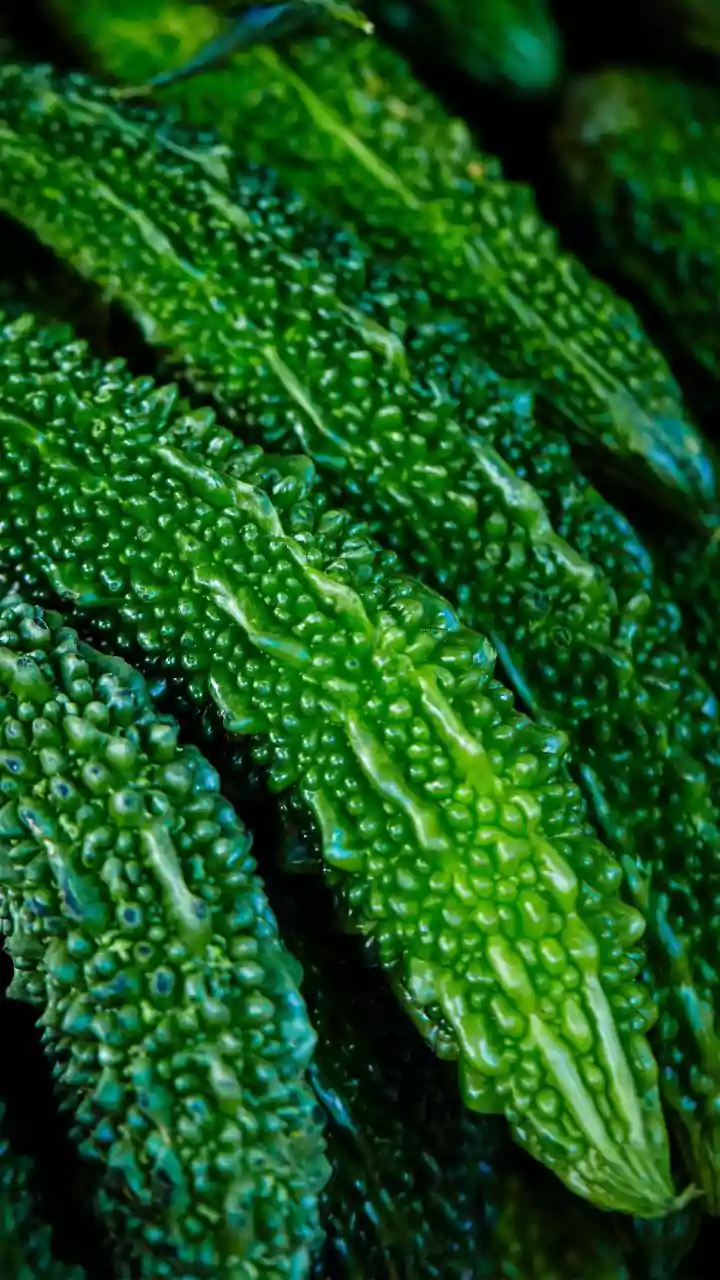
Not all produce is created equal in the face of humidity. Hardy vegetables like bottle gourd (lauki), bitter gourd (karela), and pumpkins have a longer shelf life and are excellent choices for the season. In contrast, vegetables with high water content, such as tomatoes and cucumbers, should be bought in smaller batches. When it comes to fruit, items like jamun, pears, and plums are good seasonal options, but they should still be inspected for freshness. Avoid buying fruits like berries in large punnets unless you plan to consume them immediately, as they are highly susceptible to mould.
Audit Your Dry Pantry Staples
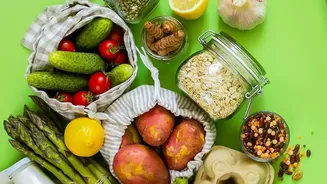
Humidity doesn't just affect fresh produce; it can also wreak havoc on your pantry. Flours, lentils, spices, and even biscuits can absorb moisture from the air, leading to clumping, loss of flavour, and pest infestations. During the monsoon, it's wise to buy these items in smaller packs rather than jumbo bags. Store everything in airtight containers made of glass or steel immediately after opening. Adding a few bay leaves or dried neem leaves to containers of lentils and grains is a traditional and effective way to keep pests at bay. For expensive items like nuts and seeds, storing them in airtight containers in the refrigerator can prevent them from going rancid.
Handle Dairy and Bread with Care
Bread and milk products are magnets for mould in humid conditions. Always check the manufacturing and expiry dates before purchasing. Opt for smaller loaves of bread and smaller packs of milk, paneer, and yoghurt that you can finish quickly. Refrigerate dairy products immediately upon reaching home. If you notice even a small spot of mould on bread, it's safest to discard the entire loaf, as the mould's root-like structures can spread invisibly throughout.