



Beyond the Multigrain Trend
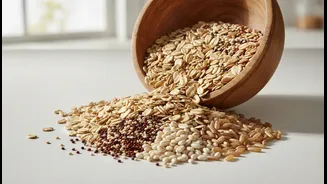
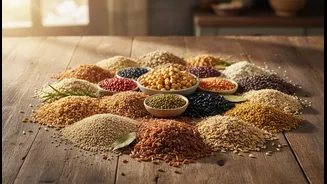
Walk down any supermarket aisle, and you'll find packages of multigrain atta, bread, and biscuits. The message is clear: more grains equal more health. While multigrain flours can offer a wider range of nutrients than single-grain options, simply mixing
flours without purpose isn't a magic bullet. A random blend of flours might not provide the right texture for your dish or the specific nutritional benefits you're looking for. The real power lies in understanding the unique personality of each flour—its taste, its texture, and its nutritional strengths—and then choosing the right one for the job. Instead of chasing the trend, let’s focus on thoughtful cooking.
Know Your Everyday Flours
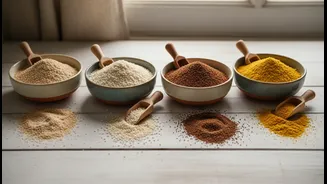
Most Indian kitchens are already stocked with a variety of flours, each with a specific role. Whole wheat atta, the backbone of daily meals, provides the gluten necessary for soft, pliable rotis. Besan, or gram flour, is a protein-packed, gluten-free powerhouse perfect for making crispy pakoras, savoury cheelas, or as a binding agent. Rice flour is light and digestible, giving South Indian classics like idiyappam and dosa their delicate structure. And then there are the millets, which are making a well-deserved comeback. Each of these flours shines on its own, offering distinct flavours and textures that are often lost in a generic mix.
The Power of Millets: Jowar, Bajra, and Ragi
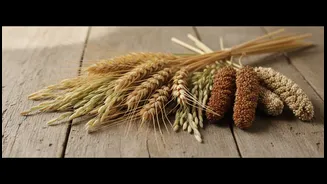
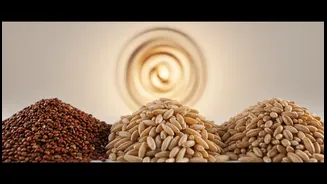
Millets were a staple in our grandparents' diets for good reason. Jowar (sorghum) is a light, gluten-free flour known for being easy on digestion, making it a great choice for soft rotis in the summer. Bajra (pearl millet) is dense and warming, rich in iron and perfect for hearty, earthy rotis during winter. Ragi (finger millet) is a nutritional hero, packed with calcium and iron. While its earthy taste might be strong for some, it's excellent for making nutritious porridge, dosas, and laddoos. Understanding these characteristics allows you to rotate flours with the seasons and your body's needs, just as tradition has taught.
When a Single Flour Is Best
Some dishes are perfected by letting one flour take centre stage. The quintessential soft, puffy phulka relies entirely on the quality of whole wheat atta. A classic besan cheela or pithla needs the distinct, nutty flavour of pure gram flour to achieve its authentic taste and texture. The delicate, lacy web of a neer dosa can only be achieved with fine rice flour. Similarly, the hearty and satisfying bajra rotlo, traditionally served with ghee and jaggery, celebrates the robust, earthy character of pearl millet. In these cases, mixing flours would dilute the very essence of the dish.
The Art of the Thoughtful Blend
This doesn't mean you should never mix flours. The key is to do it with intention. Want to make your millet rotis softer and easier to roll? Start by mixing your millet flour (like jowar or bajra) with whole wheat atta in a 1:4 ratio. This lets you get the nutritional benefits of millets while the gluten in the wheat makes the dough more manageable. Adding a tablespoon of besan to your whole wheat paratha dough can result in a crispier, more golden-brown finish. Combining ragi and rice flour can create a wonderfully nutritious and easy-to-make dosa batter. The goal is to combine flours to enhance flavour, improve texture, or boost nutrition, not just to add more ingredients.