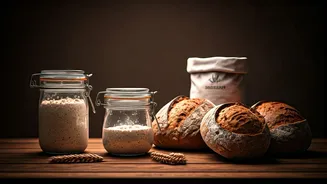



What is Sourdough Discard, Anyway?
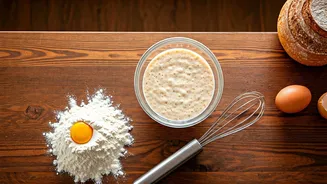
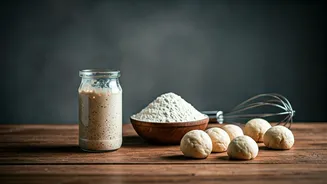
Every time you feed your sourdough starter to keep it healthy and active, you first need to remove a portion. This removed part is the 'discard.' It's not waste; it's simply unfed starter. Discarding is essential for two main reasons. First, it prevents
you from ending up with an unmanageable, ever-growing quantity of starter. Second, it helps maintain the health of your starter by managing acidity levels, ensuring the yeast and bacteria have fresh 'food' (flour and water) to thrive. The discard itself is a flavourful, slightly acidic mixture of flour and water that has been fermented, making it a fantastic ingredient in its own right.
The Zero-Waste Kitchen Philosophy
The trend of using sourdough discard is rooted in a broader movement towards reducing food waste and embracing a more sustainable kitchen. Throwing away discard can feel wasteful, especially considering the flour and time invested. By finding creative uses for it, home bakers are transforming a byproduct into a key ingredient. This approach not only saves money and resources but also opens up a new realm of culinary creativity. Thinking of discard as 'liquid gold' rather than 'waste' is the first step to unlocking its potential and making your baking practice more circular and rewarding.
How to Store Your Sourdough Discard
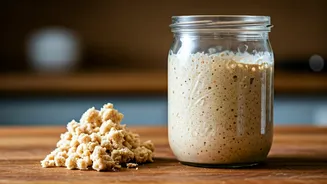
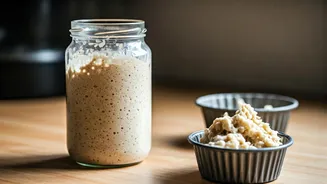
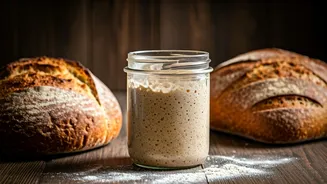
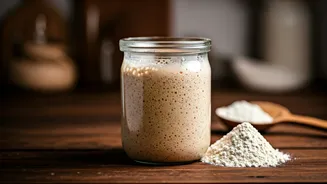
Storing your discard is simple. Keep a dedicated, clean jar in the refrigerator and add your discard to it after each feeding. A jar with a lid that is not completely airtight is ideal, as the discard may still produce a small amount of gas. In the fridge, the discard will last for several weeks, becoming gradually more tangy and sour over time. This aging process affects its flavour profile, with fresher discard being milder and better for sweet recipes, while older, more acidic discard excels in savoury dishes. If your discard develops any pink or orange streaks or smells unpleasantly strong, it's best to toss it.
Easy Ideas for Sweet Bakes
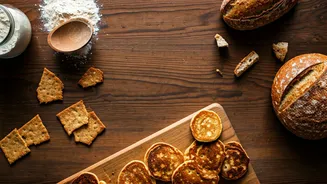
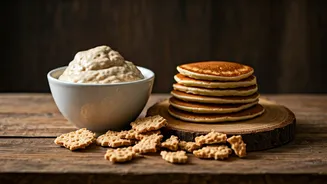
Sourdough discard adds a wonderful depth of flavour and tender texture to sweet treats. One of the most popular uses is for breakfast favourites like pancakes and waffles. The acidity in the discard reacts with baking soda to create a light, fluffy texture, while also adding a subtle tang that balances the sweetness. Beyond the breakfast table, discard can be incorporated into recipes for muffins, quick breads like banana bread, and even rich chocolate chip cookies and brownies. These recipes don't rely on the discard for leavening, but for its flavour and ability to create a moist crumb.
Simple Savoury Discard Recipes
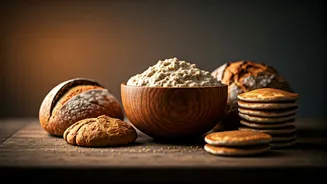
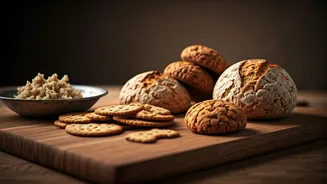
On the savoury side, sourdough discard truly shines. The easiest and most addictive way to use it is by making crackers. With just discard, a little fat like oil or butter, and some salt, you can bake paper-thin, crispy crackers in minutes. It's also a fantastic addition to pizza dough, lending a chewy texture and complex flavour that rivals your favourite pizzeria. Other popular savoury uses include soft pretzels, tangy biscuits, and even as a base for flatbreads like naan or tortillas. The more sour, aged discard from your fridge is perfect for these applications, as its tangy notes complement savoury seasonings beautifully.