






A Conscious Shift in Festive Sparkle
Across India, the way we celebrate is evolving. While the joy, traditions, and get-togethers remain at the heart of our festivals, a new aesthetic is taking root—one that values sustainability as much as style. Homeowners are increasingly looking for
decorations that are not only beautiful but also reusable and eco-friendly. This trend is a quiet rejection of the use-and-throw culture, which often sees tonnes of plastic waste generated after each festive season. Instead, there's a growing appreciation for decor that tells a story of mindfulness. This conscious consumerism is less about minimalism and more about making meaningful choices that last beyond a single celebration. It’s a move towards creating a festive atmosphere that feels both authentic and responsible, embracing items that can be cherished and reused for years to come.
The Allure of Copper Wire Lights
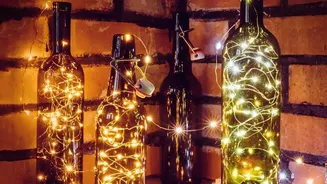
Leading this aesthetic shift are copper wire LED lights, also known as fairy or starry lights. These have become the go-to choice for lighting up homes. Their popularity stems from a unique combination of elegance and practicality. The thin, flexible copper wire is almost invisible, making the tiny, warm LED bulbs appear as if they are floating in mid-air. This allows for incredible versatility; they can be wrapped around banisters, woven into floral arrangements, or simply placed in a glass jar to create a magical, ambient glow. Unlike bulky plastic-cased serial lights of the past, copper LEDs are energy-efficient, durable, and safe to touch as they don't overheat. Their delicate appearance belies their robustness, making them a perfect long-term investment for Diwali, Christmas, and everything in between.
Breaking Up with Single-Use Plastic
The embrace of sustainable options like copper lights comes with a conscious decision to reject single-use plastic decorations. For years, festive markets were flooded with cheap, glitter-laden plastic ornaments, tinsel, and synthetic flower garlands. While festive, these items contribute significantly to environmental pollution. Many of these products cannot be recycled due to mixed materials and chemical dyes. They end up in landfills, where they take centuries to decompose, or worse, break down into harmful microplastics. The post-festival clean-up often highlights this problem, with municipal waste systems overwhelmed. By moving away from these disposable items, consumers are not just making a style choice but are also actively reducing their environmental footprint during times of celebration.
Embracing Natural and Reusable Alternatives
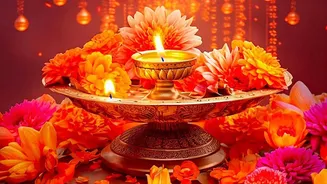
The trend extends far beyond just lighting. People are rediscovering the charm of traditional and natural decor. Earthen diyas, which are inherently biodegradable, are making a huge comeback. Fresh flower garlands, or 'torans' made of marigold and mango leaves, are being chosen over their plastic counterparts not just for their beauty and fragrance, but also because they can be composted. Creativity is flourishing with the use of organic rangoli made from rice flour and flower petals, upcycled decor from old sarees and glass bulbs, and fabric buntings instead of plastic banners. These alternatives connect celebrations back to nature and local craftsmanship, adding a layer of warmth and authenticity that mass-produced plastic can never replicate.
How to Decorate More Mindfully
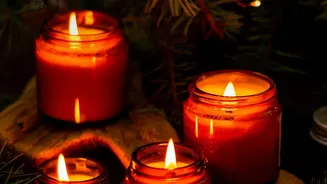
Adopting a sustainable approach to festive decor doesn't have to be an overwhelming overhaul. It can start with small, intentional changes. Begin by investing in one or two high-quality, reusable items each year, like a good set of copper LED lights or a few handcrafted brass ornaments. Before buying new, look at what you already own. Old dupattas can become vibrant table runners, and glass jars can be turned into beautiful candle holders. Make it a family activity to create handmade decorations from recycled paper or natural elements like pinecones and dried oranges. When the festivities are over, take a few extra minutes to carefully store your reusable decorations so they are ready for the next occasion. This simple act of choosing well and preserving what you have is the very essence of a sustainable celebration.