






Secure Your Luggage Like a Pro
The single most important hack for peace of mind is physically securing your bags. Invest in a sturdy steel chain and a reliable padlock. In most sleeper coaches, you'll find metal loops or rings welded to the frame beneath the lower berths. Before settling
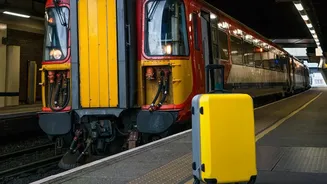
in, thread the chain through the handles of your suitcases or backpacks and lock them securely to these fixed points. This simple step prevents opportunistic grab-and-run thefts, especially at crowded stations or in the dead of night. For zippers on your bags, use smaller combination locks as a first line of deterrent. It’s a small effort that adds a major layer of security, letting you sleep more soundly.
Choose Your Berth Wisely
Where you sleep matters. The upper berth is widely recommended by seasoned travellers for both safety and comfort. It offers the most privacy and is the hardest for anyone to access without waking you. You can keep your smaller, more valuable bags beside you, and you won't be disturbed by passengers sitting on your seat during the day. If you can't get an upper berth, try to book a seat away from the coach doors and toilets, as these high-traffic areas can be noisy and less secure. For solo female travellers, travelling in a more open 3AC coach can sometimes feel safer due to the number of people around, as opposed to a more isolated 2AC or 1AC cabin with unknown co-passengers.
Pack a 'Berth-Side' Go-Bag
Instead of rummaging through your large suitcase every time you need something, pack a small daypack or tote with all your essentials for the night. This bag should never leave your side. It should contain your valuables like your phone, wallet, power bank, and any medications. Also include toiletries like face wipes, a toothbrush, and hand sanitizer, along with an eye mask and earplugs to block out light and noise. A light shawl or bedsheet is also a great addition for comfort. Use this small bag as a pillow or keep it near your head while you sleep for maximum security.
Stay Hydrated and Snack Smart
While the journey is part of the experience, food and water safety is paramount. Carry your own reusable water bottle and fill it at trusted sources or buy sealed bottles from official vendors. It's wise to pack some of your own non-perishable snacks like nuts, dry fruits, or biscuits. While pantry car food is generally safe, be cautious about eating food, especially cut fruits or uncooked items, from unofficial vendors who hop on and off at stations. Politely declining food offered by strangers is also a sensible precaution to maintain your safety.
Dress for Comfort and Modesty
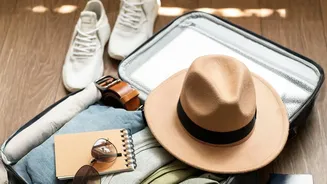
Comfort is king on a long journey. Opt for loose-fitting, breathable clothes made of cotton or linen. Layers are your best friend—a light jacket or shawl can be useful as the AC can get chilly at night. It's also advisable to dress modestly to avoid unwanted attention. For footwear, easy-to-remove sandals or flip-flops are perfect for moving around the coach and using the washrooms. Avoid wearing expensive jewellery or flashing high-end gadgets, as this can make you a target.
Maintain Situational and Digital Awareness
Being aware of your surroundings is a powerful safety tool. Before going to sleep, take note of your co-passengers. Share your PNR and live train status with a family member or friend so they know your whereabouts. Be mindful of your digital safety as well; avoid using unsecured public Wi-Fi at stations for sensitive transactions. Having emergency helpline numbers like the Railway Protection Force (RPF) at 182 saved on your phone provides an immediate recourse if you feel unsafe. Trust your instincts—if a situation feels uncomfortable, move away or alert the TTE (Travelling Ticket Examiner) or railway staff.