

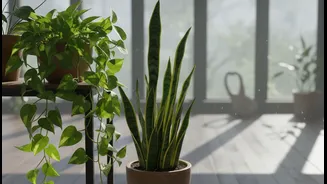



Snake Plant: The Unkillable Companion
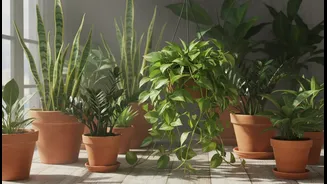
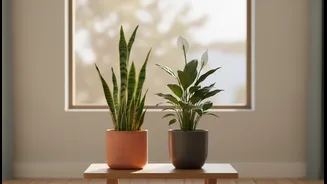
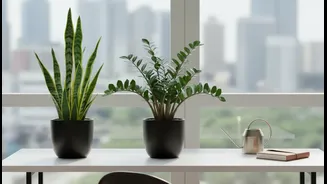
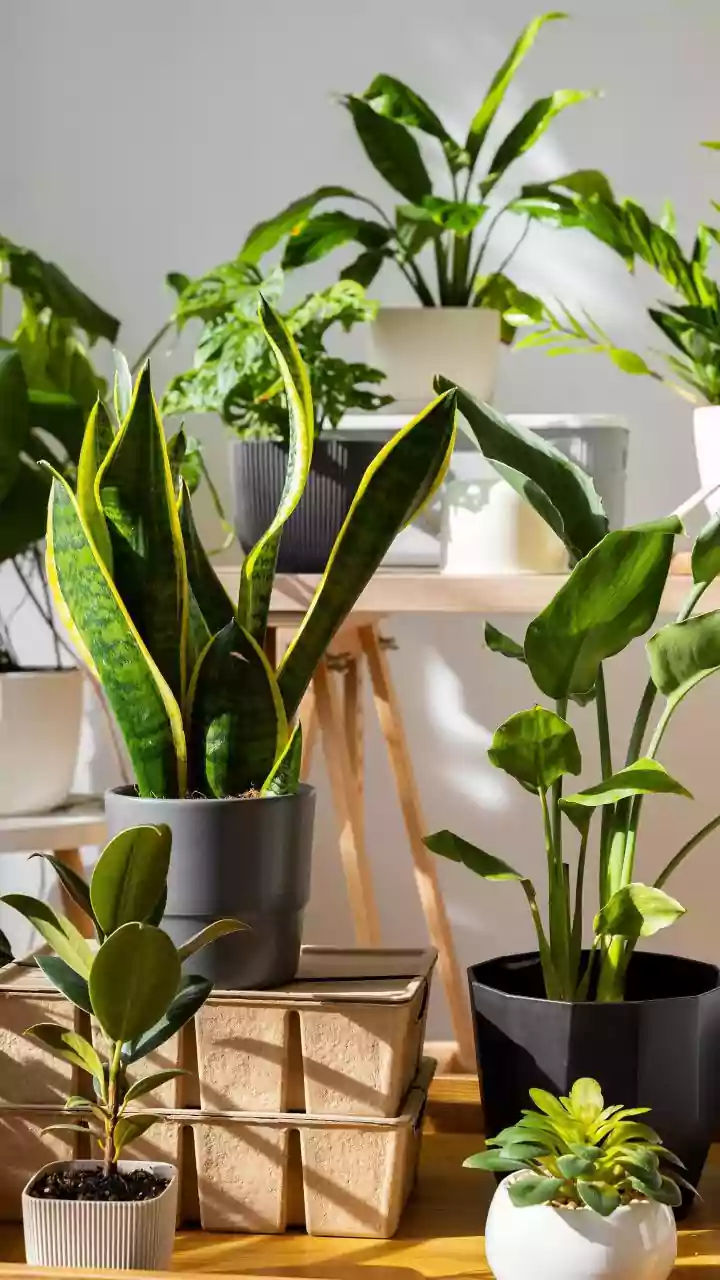
The Snake Plant, also known as Mother-in-Law's Tongue, is famously resilient, making it a perfect starting point for any indoor garden. It is especially suited for the monsoon because it tolerates the exact conditions the season brings: lower light and
high humidity. Its tough, architectural leaves store water, meaning it's less prone to the root rot that can plague other plants in damp weather. In fact, overwatering is its biggest enemy, so the 'less is more' approach works perfectly when the air is already moist. This plant also works hard to purify the air by removing toxins, which is a significant bonus when windows stay closed during heavy downpours.
Money Plant (Pothos): The Fast-Growing Favourite
Arguably India's most popular houseplant, the Money Plant, or Pothos, goes into a vigorous growth phase during the monsoon. The high humidity in the air is exactly what this plant loves, encouraging its heart-shaped leaves to grow faster and its trailing vines to lengthen. It is incredibly adaptable, thriving in the lower light conditions common on overcast rainy days. Money Plants are famously forgiving and can be grown in both soil and water. Their aerial roots help them absorb moisture from the atmosphere, making them well-suited to the damp environment of the season.
ZZ Plant: The Glossy and Glamorous Survivor
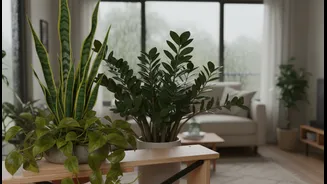
The Zamioculcas zamiifolia, or ZZ Plant, is another low-maintenance champion that's almost indestructible. Its wide, glossy leaves add a touch of sophistication to any space. As a succulent, it stores water in its underground rhizomes, making it highly drought-tolerant and resilient to the dangers of overwatering during humid months. The ZZ Plant is perfectly happy in low-light environments, making it ideal for brightening up a dim corner on a gloomy monsoon day. Its ability to thrive on neglect makes it a stress-free option for both beginners and busy plant parents.
Peace Lily: The Elegant Air Purifier
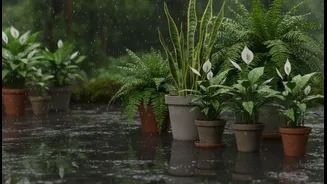
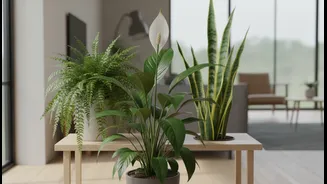
If you want a plant that offers beautiful flowers even when the skies are grey, the Peace Lily is an excellent choice. This plant loves high humidity and can handle low to moderate light, making it perfectly suited for the rainy season. Its large, dark green leaves create a lush backdrop for its elegant white blooms. The Peace Lily is also a powerhouse air purifier, known for its ability to remove common indoor toxins like ammonia and benzene from the air. It has a helpful habit of drooping slightly when it needs water, taking the guesswork out of your care routine.
Spider Plant: The Prolific Propagator
The Spider Plant is a cheerful and fast-growing plant known for its arching, striped leaves. It is excellent at adapting to various conditions and tolerates the high humidity of the monsoon season very well. It's also not fussy about light, managing just fine in the indirect or lower light levels of rainy days. One of its most charming features is the production of 'spiderettes' – baby plants that dangle from the mother plant, which can be easily repotted to create new plants. Beyond its easy-going nature, it’s an effective air purifier, helping to keep your indoor environment fresh.
Ferns: The Quintessential Humidity Lovers
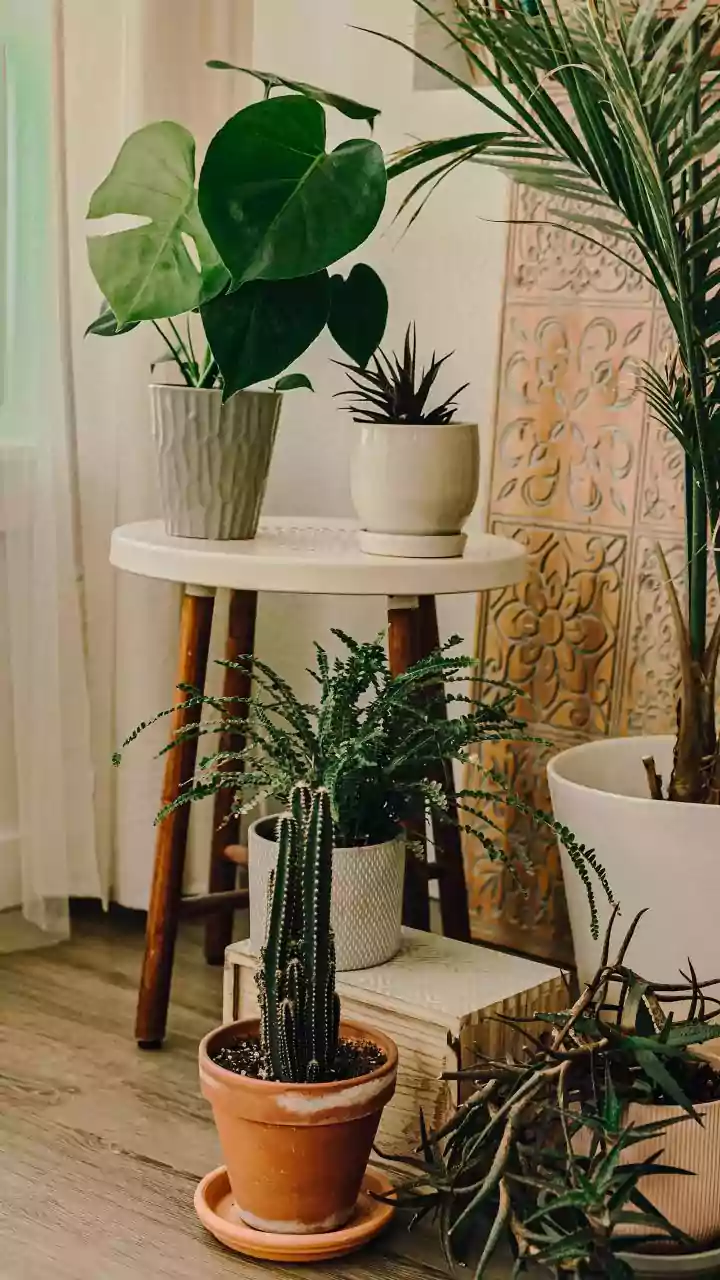
Ferns, like the popular Boston Fern or Bird's Nest Fern, are the ultimate fans of a damp, humid atmosphere. The monsoon season essentially mimics their natural rainforest habitat, causing them to grow lush and full. They thrive in the filtered, indirect light that is common during overcast weather, and their delicate fronds add a soft, green texture to any room. Placing a fern in a bathroom or kitchen where humidity is naturally higher will make it especially happy. They add a refreshing, vibrant charm to indoor spaces during the rains.
A Note on Monsoon Care
While these plants are well-suited for the season, remember that the biggest danger during the monsoon is overwatering. High humidity means soil dries out much more slowly. Always check the top inch or two of soil before watering; if it feels moist, wait a few more days. Ensure all your pots have excellent drainage to prevent water from logging at the roots, and consider elevating them on stands to improve air circulation. With these simple adjustments, your indoor garden will not just survive the monsoon, but truly thrive.