
Kantha: The Running Stitch of Bengal
Arguably the most famous of India’s textile recycling traditions, Kantha originates from West Bengal and Bangladesh. The word itself is believed to derive from the Sanskrit 'kontha', meaning rags. At its heart, Kantha is the art of repurposing old, soft
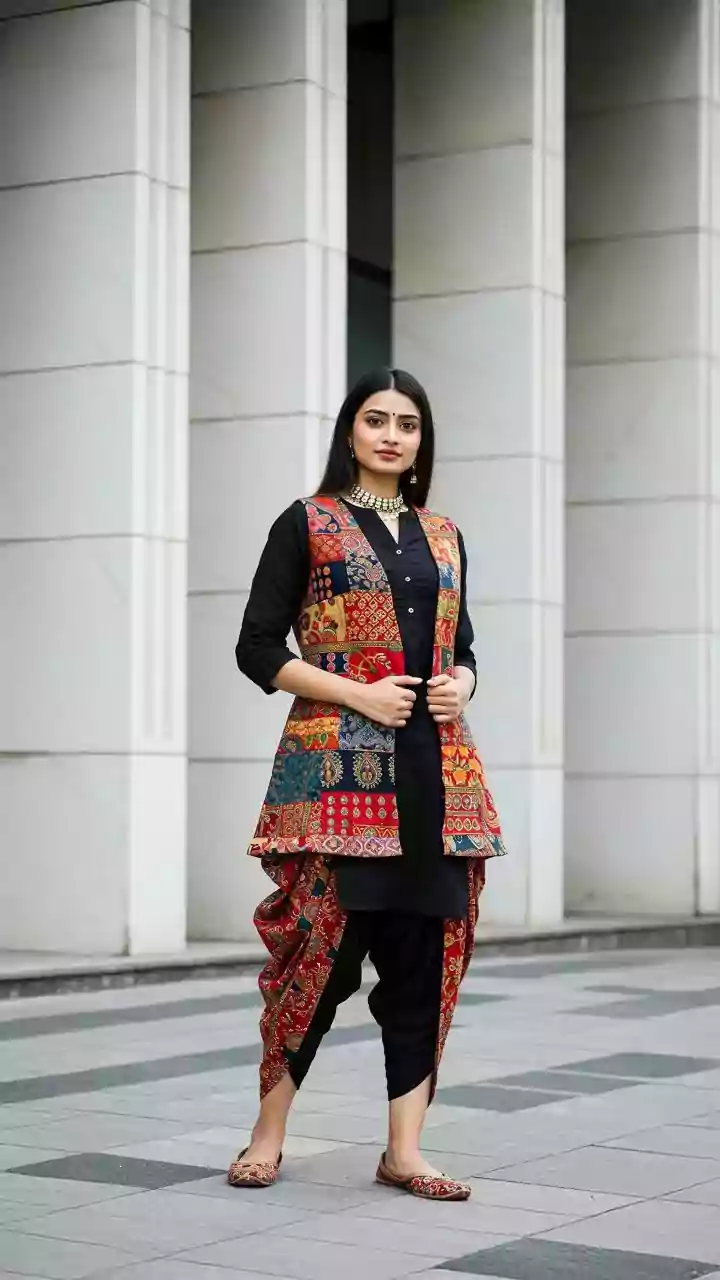
saris and dhotis. These worn fabrics, too delicate to be worn, are layered several times to create a new, thicker textile. The magic lies in the simple running stitch used to bind these layers together. Women would traditionally pull threads from the borders of old saris to create colourful patterns, making the process a true form of nose-to-tail recycling. This stitch, repeated thousands of times, not only strengthens the fabric but also creates a distinctive, slightly wrinkled texture. What began as a domestic craft to make quilts (lep kantha) and baby wraps has since evolved into a high-fashion statement, adorning everything from sarees to jackets.
Godhadi: A Quilt of Memories from Maharashtra
Travel west to Maharashtra and parts of North Karnataka, and you'll find the comforting embrace of the Godhadi. Much like Kantha, a Godhadi is a quilt made from layers of old clothing, especially soft, worn-out cotton saris. The process is often a communal activity, where women gather in the afternoons, sharing stories as they stitch. This imbues each Godhadi with a sense of community and shared history. The layers are hand-stitched together, often with a simple running stitch, creating a light, breathable quilt perfect for the Indian climate. A Godhadi is more than just a blanket; it is a vault of memories. Grandmothers often stitch them for new babies, using their own saris and those of their daughters, so the quilt carries the literal scent and touch of home. Villagers often refuse to sell their personal Godhadis, as they are considered priceless heirlooms filled with love and labour.
Sujani: Storytelling Through Stitches in Bihar
In Bihar, a similar tradition of layering old cloth takes on a narrative form in Sujani embroidery. The word 'Sujani' is a combination of 'su' (easy) and 'jani' (birth), referencing its original purpose of making soft quilts for newborns. Like other recycling techniques, Sujani uses layers of old saris and dhotis. However, its distinguishing feature is the use of embroidery to tell stories. Women use a simple running stitch and chain stitch to create intricate motifs depicting scenes from village life, mythology, personal experiences, and even social issues. The base fabric becomes a canvas for expression. A fish might symbolize fertility, while other motifs could depict the challenges of the dowry system or the joy of a festival. This transforms the utilitarian act of quilting into a powerful form of social commentary and personal storytelling, making each Sujani a unique cultural document.
Gudri: The Patchwork of the Nomads
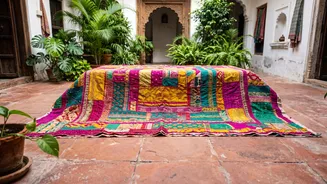
Gudri, or Gudari, is another quilting tradition found across various parts of India, most notably among the nomadic communities of Rajasthan. Made from fabric scraps and old clothes, Gudri quilts are characterized by their vibrant patchwork and simple running stitches. Women from the Kalbelia community, for instance, have practiced this craft for generations, creating visually rich narratives of their tribal life through the motifs. These reversible quilts are ingeniously crafted to be warm in the winter yet cooling in the summer due to the way the fabric scraps are arranged. Often embellished with mirrors and colourful threads, a Gudri was traditionally used to welcome guests or given as a humble gift at weddings, embodying a spirit of hospitality and resourcefulness. The terms Kantha and Gudri are sometimes used interchangeably in commercial contexts, especially for items from Rajasthan, but they represent distinct regional traditions.