



A staple in Indian households, jaggery, or 'gur', is cherished for its rich, earthy sweetness. But behind this humble ingredient lies a fascinating, centuries-old process that transforms sugarcane juice into a block of unrefined gold.
From Cane to Cone: The Making of Gur
The creation of jaggery
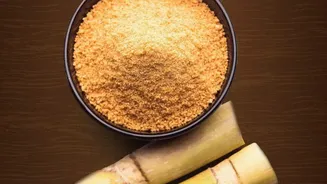
is a beautifully simple, traditional process. It all begins with pressing fresh sugarcane stalks to extract their sweet juice. This juice is then filtered to remove any solids and poured into large, shallow pans for boiling. As the juice heats up, often over fires fueled by biomass, impurities rise to the surface as scum and are skimmed off. This clarification stage is crucial. In commercial production, small amounts of lime might be added to balance acidity, but for organic jaggery, only natural vegetable clarificants are used. The juice is simmered for hours, a process of continuous stirring and concentration. As the water evaporates, the liquid thickens into a dense, bubbling syrup. Once it reaches the right consistency, this molten gold is poured into molds—often blocks, cones, or buckets—to cool and solidify into the familiar blocks of gur.
The Jaggery Spectrum: Not All Gur Is the Same
While sugarcane jaggery is the most common variety, especially in states like Maharashtra and Uttar Pradesh, India boasts a diverse spectrum of this sweetener. Palm jaggery, known as 'karupatti' in the south, is made from the sap of palm trees and has a darker colour and a distinctive, almost chocolate-like flavour. Another celebrated type is date palm jaggery, or 'nolen gur', a seasonal winter delicacy from Bengal famous for its liquid, syrupy consistency and rich, smoky aroma. Coconut jaggery, popular in Kerala and other coastal regions, is derived from the sap of coconut flowers and offers its own unique mineral profile. The colour of jaggery, ranging from light golden to deep dark brown, often indicates its level of refinement and the source of the sap—generally, darker jaggery is less processed.
A Healthier Sweetener?
The key difference between jaggery and white sugar lies in the processing. Because jaggery is unrefined, it retains the molasses that is stripped away from sugar. This molasses content gives jaggery its colour, flavour, and, most importantly, a profile of minerals and vitamins that refined sugar lacks entirely. Jaggery contains trace amounts of iron, potassium, magnesium, and calcium. Some studies suggest the traditional method of making it in iron vessels boosts its iron content, which can help protect against anaemia. Furthermore, jaggery is composed of longer chains of sucrose, meaning it is digested more slowly than refined sugar, providing a more gradual release of energy rather than a sharp spike. However, it's crucial to remember that jaggery is still a form of sugar. It has a similar calorie count to white sugar, and while it's a more nutritious choice, it should still be consumed in moderation.
A Staple in the Indian Kitchen
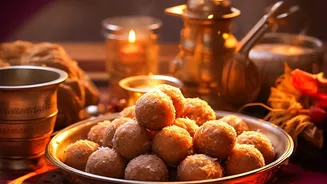
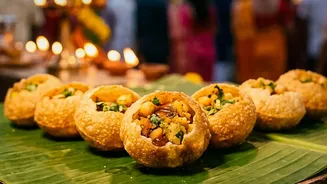
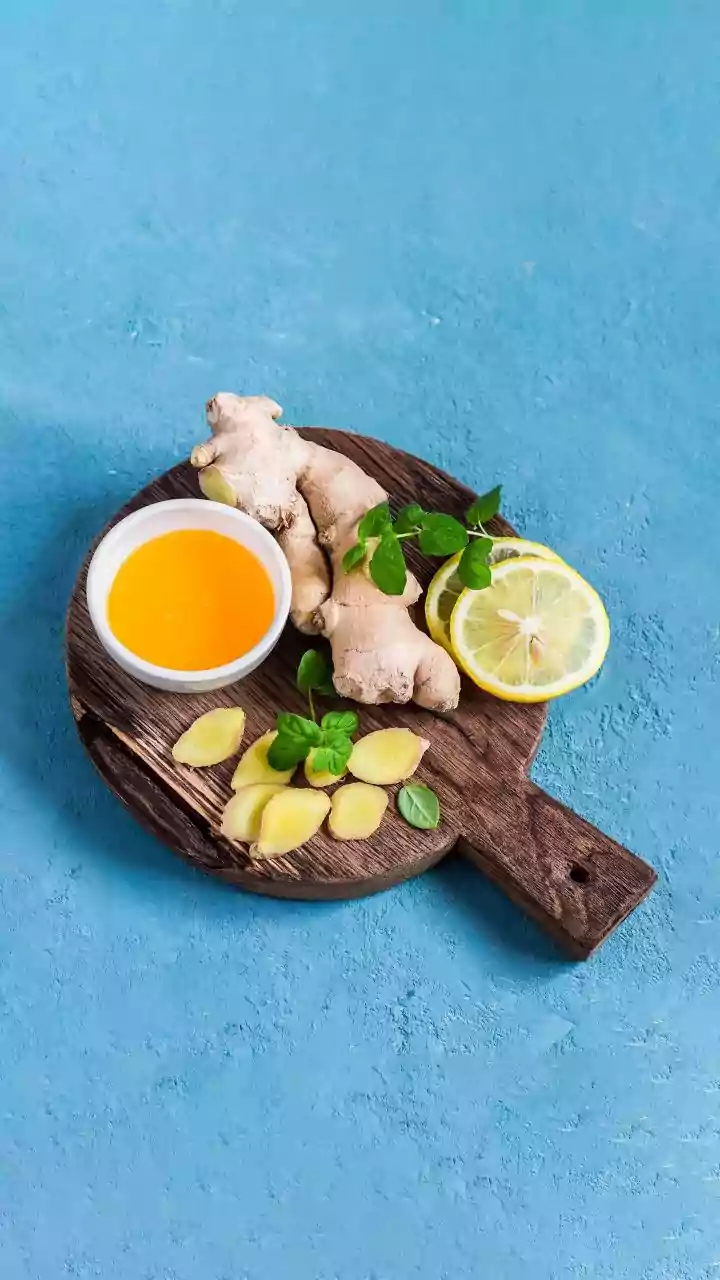
Jaggery's versatility makes it a cornerstone of Indian cuisine, valued for both its sweetness and its complex flavour. It's the soul of countless traditional sweets, from peanut 'chikki' and sesame 'ladoos' to the filling of 'puran poli' and 'modak'. Beyond desserts, it plays a vital role in savoury dishes, where it balances the heat and tang of spices. A small piece can soften the sharpness in lentil dishes like sambar or amti and adds depth to tamarind chutneys. In Ayurveda, jaggery is considered a 'warming' food, often used in winter drinks with spices like ginger and cardamom to fight off colds. It’s also hailed as a digestive aid, often eaten after a meal, and a natural cleanser that helps detoxify the body.