







Why Follow a Seasonal Calendar?
Eating seasonally is a tradition rooted in ancient wisdom, like Ayurveda, for good reason. Produce that is in season is fresher, more flavourful, and packed with higher nutritional content compared to produce that has been transported over long distances
or grown in artificial conditions. When you buy seasonal vegetables from your local market, you are getting them at their peak, which often means they are more affordable and you are supporting local farmers. It’s a simple way to ensure your meals are not just tasty but also nourishing and sustainable.
The Vibrant Indian Summer (March to June)
As temperatures rise, nature provides a bounty of produce designed to cool and hydrate the body. This is the season for a variety of gourds like lauki (bottle gourd), tori (ridge gourd), and karela (bitter gourd), along with staples like tomatoes, brinjals, and bhindi (okra). Cucumbers and pumpkins also flourish during these hot months. For a quintessential summer curry, try a light, yogurt-based gravy with lauki. The gourd’s subtle flavour absorbs the spices beautifully without being heavy. Another option is a tangy tomato and brinjal curry that is perfect with hot rotis. When you need a quick meal, a bhindi or capsicum stir-fry is an excellent choice. Simply sauté sliced bhindi with onions, turmeric, and a pinch of chili powder for a classic side dish. For a stir-fry, quickly cook thin strips of capsicum and onion on high heat, seasoning with soy sauce and ginger for a simple, crunchy meal.
The Lush Monsoon Bounty (July to October)
The arrival of the monsoon rejuvenates the land, bringing forth a new array of vegetables. This is the prime season for corn (bhutta), a variety of beans, and leafy greens like spinach (palak) and amaranth. Gourds like parwal (pointed gourd) and tinda (Indian squash) are also at their best now. While leafy greens are abundant, it is wise to wash them thoroughly and cook them well during this season. For a comforting monsoon curry, nothing beats a classic palak corn curry. The sweetness of the corn balances the earthy spinach, creating a rich and wholesome dish. A curry made with pointed gourd (parwal) is another fantastic seasonal option, often cooked with potatoes in a spiced tomato gravy. Stir-frying is a great way to cook monsoon vegetables. A simple cabbage stir-fry with mustard seeds and green chilies is both quick and delicious. Fiddlehead ferns, known as 'lingdu' in the Himalayan region, are also a monsoon delicacy perfect for stir-frying.
The Hearty Winter Harvest (November to February)
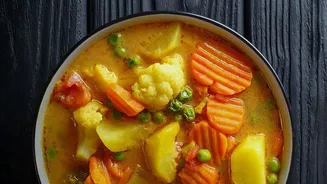
Winter brings a colourful and robust harvest. Markets are filled with root vegetables like carrots, beets, and radishes, alongside cruciferous vegetables such as cauliflower and cabbage. This is also the peak season for leafy greens like mustard greens (sarson) and fenugreek (methi), as well as fresh green peas (matar). For a classic winter curry, sarson ka saag is an unrivalled North Indian specialty, traditionally served with makki ki roti. Another winter favourite is matar paneer, a simple yet flavourful curry made with fresh green peas and soft paneer in a tomato-based gravy. Aloo gobi, a dry curry of potato and cauliflower, is a staple in many households. For a quick and nutritious stir-fry, toss together chopped carrots, green beans, and cauliflower florets. Season with Indian spices like turmeric and cumin for a delicious 'sabzi' or use ginger and garlic for an Asian-style dish.