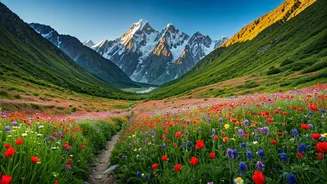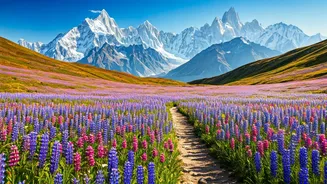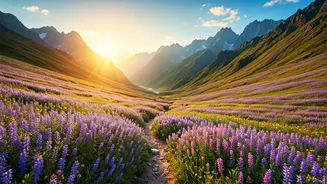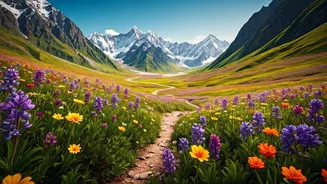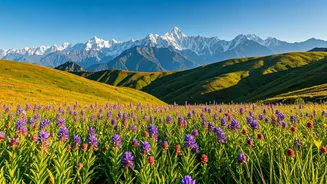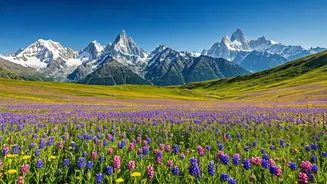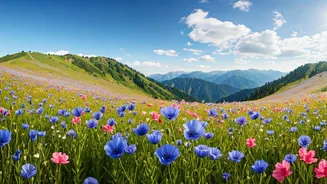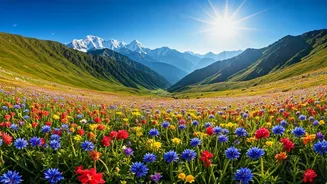


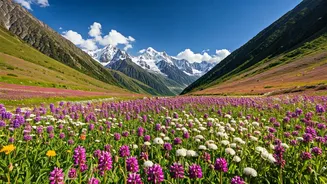
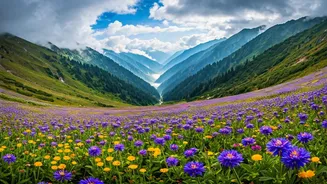


A UNESCO World Heritage Gem
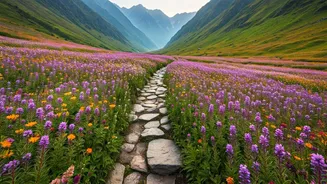
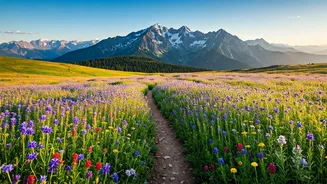
Nestled high in the West Himalayas, the Valley of Flowers National Park is more than just a pretty sight; it's a UNESCO World Heritage Site and a core zone of the Nanda Devi Biosphere Reserve. This remote alpine valley is a unique ecosystem, home to rare
and endemic flora, including the ethereal Brahma Kamal, the blue poppy, and the cobra lily. Its fragility is its defining characteristic. The very soil that nurtures these blooms is susceptible to erosion, and the delicate balance can be easily upset by human interference. This is why visiting the Valley comes with a profound responsibility, a fact that a growing number of travellers are not just accepting, but actively embracing.
The Rise of the Conscious Trekker
In recent years, a significant shift has occurred in the trekking community. The focus is moving beyond personal achievement—reaching the destination—to collective preservation. The 'conscious trekker' understands that their journey has an impact. They are driven by a desire to connect with nature, not conquer it. This mindset involves pre-trip research on local regulations, a commitment to minimalist packing, and a deep respect for the environment and the local communities that act as its stewards. It’s a proactive approach that turns a simple trek into an act of conservation, ensuring the valley remains pristine for future generations of both humans and wildlife, including the elusive snow leopard and Asiatic black bear that call this region home.
Rule #1: Pack In, Pack Out
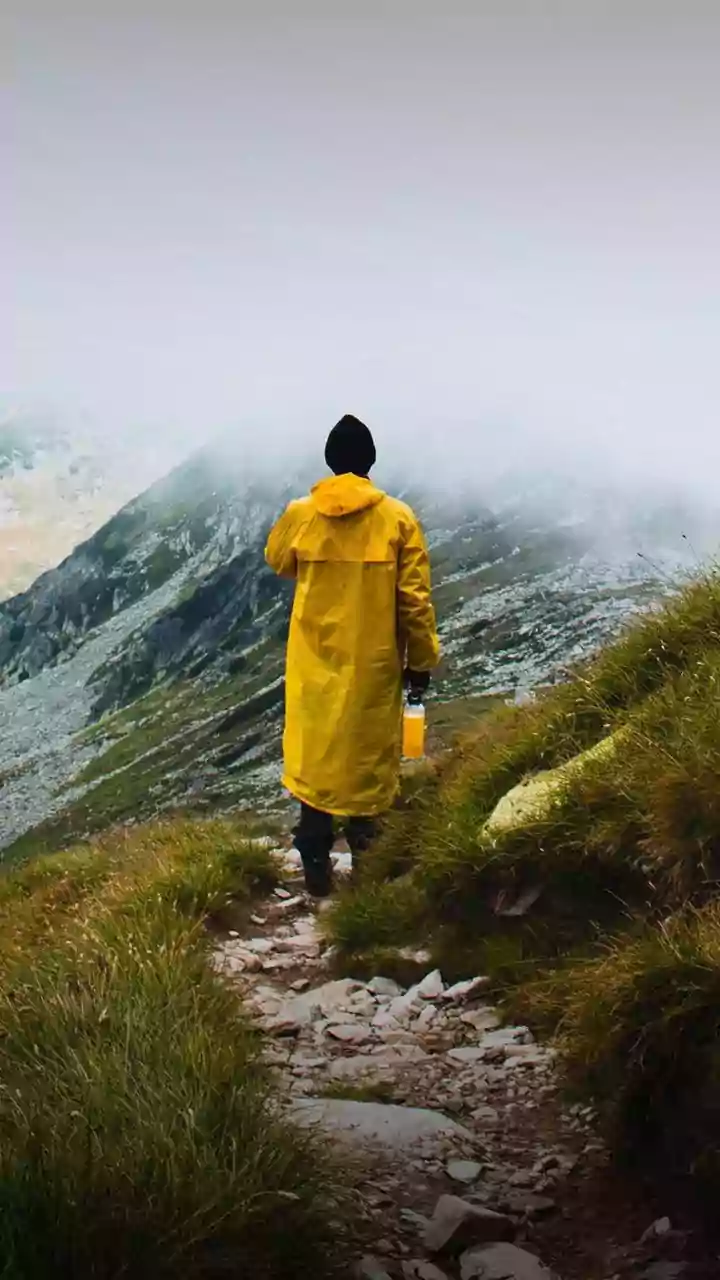
The most fundamental principle of eco-conscious trekking is 'Leave No Trace', and its most literal application is managing waste. Every single item you carry into the valley—plastic wrappers, water bottles, food packaging—must be carried back out. There are no dustbins along the trail for a reason. Non-biodegradable waste, especially plastic, is a plague in the fragile Himalayan ecosystem. It chokes waterways, harms wildlife, and can remain in the soil for centuries. Before your trek, minimise potential waste by removing excess packaging from food and other items. Carry a dedicated bag for your trash and be prepared to bring it all the way back down to Govindghat or Joshimath for proper disposal. This single act is one of the most powerful contributions you can make.
Stay on the Designated Path
The trails in the Valley of Flowers are carefully laid out to minimise environmental impact. While the urge to step into a meadow for the perfect photograph is strong, it's crucial to resist. When you walk on the delicate alpine vegetation, you risk crushing rare plants and compacting the soil, which prevents future growth and contributes to erosion. Over time, these small deviations create new, damaging 'social trails' that scar the landscape. The established path is there to protect the very beauty you've come to see. By staying on the trail, you are actively participating in the preservation of the meadow's integrity and ensuring the flowers can bloom undisturbed year after year.
Look, Don’t Pluck
It sounds obvious in a place named the Valley of Flowers, but the temptation to take a floral souvenir can be powerful. Plucking flowers is strictly prohibited and for good reason. Many species are rare, and removing even one can disrupt the reproductive cycle of the plant, affecting pollination and seed dispersal. It robs future visitors of the chance to see the flower and disrupts the delicate food web that local insects and birds rely on. The forest department officials are vigilant about this rule. The best way to capture the beauty is with your camera and your memory. Appreciate the flowers in their natural habitat, leaving them untouched for the ecosystem and for others to enjoy.
Support the Local Ecosystem—Human and Natural
Responsible trekking extends beyond the environment to the local economy. The communities around the Valley of Flowers, particularly in Ghangaria, depend on tourism. Make conscious choices to support them directly. Hire registered local guides who possess invaluable knowledge about the terrain, flora, and fauna. Stay in locally-owned guesthouses and homestays instead of large, impersonal hotels where possible. Eat at local dhabas and purchase authentic, locally made crafts. This ensures that the economic benefits of tourism are distributed within the community, fostering a positive relationship between conservation and livelihood, and giving local people a stronger incentive to protect their natural heritage.